
Planting
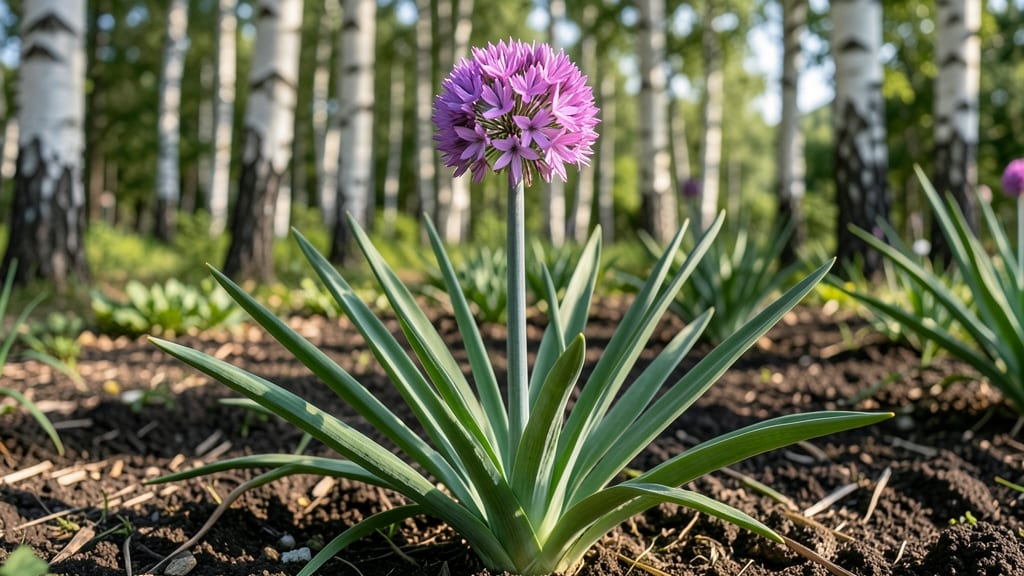
Growing Allium Serendipity bulbs means purple globes that pop like confetti against green foliage—without the fuss of finicky soil. 💜 I’ve planted these showstoppers for three seasons, and they’ve never failed to deliver drama, even in my heavy clay.
The secret? They’re chill-triggered, so timing and placement matter more than perfect soil.
Start with bulbs that feel firm but yield slightly when pressed—not mushy or dried out. Plant them 6 inches deep and 6 inches apart in well-draining soil, whether that’s amended garden beds or containers.
They thrive in full sun (6+ hours daily) but tolerate light shade, making them perfect for borders or rocky slopes where other plants struggle.
Water lightly after planting, then let nature take over. These bulbs store moisture well, so overwatering is the real enemy. By late spring, you’ll see those iconic globes rising—no staking needed—and they’ll last weeks in vases or garden beds.
Deer and pests avoid them, too, so you won’t lose blooms to nibbling.
For extra impact, pair them with lavender, catmint, or ornamental grasses. They multiply over time, so divide clumps every 3–4 years to keep the display vibrant. Once established, they’re nearly foolproof—just plant, forget, and enjoy the show.
📚 In This Guide
- What you need
- Instructions
- Tips and common mistakes
- Wrapping up and next steps
What you need
- ● Allium serendipity bulbs: 5–10 bulbs (depending on desired display size). Choose firm, plump bulbs with no soft spots or mold.
- ● Well-draining potting mix: 2–3 gallons (for containers) or amend garden soil with perlite/sand (1:3 ratio) for in-ground planting.
- ○ Container (optional but recommended): For containers: A shallow, wide pot (10–12" diameter) with drainage holes. Terracotta or fabric pots work great!
- ● For in-ground: A sunny spot with loose, rocky soil (they hate soggy roots!).
- ● Chill treatment: A refrigerator or cold frame (35–45°F / 2–7°C) for 8–12 weeks.
- ○ Gloves: Optional but helpful for handling sharp bulb edges.
- ● Trowel or bulb planter: For digging holes (if planting in-ground).
- ● Watering can or spray bottle: Gentle watering is key—avoid oversaturating.
- ○ Mulch (optional): Lightweight gravel or pebbles to prevent soil splatter on blooms.
- ○ Grow lights (optional): If indoors, a full-spectrum LED (12+ hours/day) mimics natural light.
Step-by-step instructions for growing Allium Serendipity bulbs
Here’s how to coax those striking purple globes into bloom using chill-forcing techniques.
🌱 Step 1: Select and Prepare the Bulbs
Choose firm, plump Allium Serendipity bulbs—avoid any with soft spots or mold. These bulbs need a 12-16 week cold period to trigger blooming, so plan accordingly. I like to inspect them under bright light to ensure no damage before starting.
If your bulbs arrive in a paper sleeve, remove it completely—it can trap moisture and cause rot. Place them in a breathable mesh bag or a cardboard box with small holes punched in the sides. This keeps them organized while allowing airflow.
❄️ Step 2: Apply the Cold Treatment
Store the bulbs in a location where temperatures stay between 35-45°F for the full 12-16 weeks. A refrigerator’s crisper drawer works perfectly—just avoid the vegetable bin where humidity builds up. Check them monthly to ensure no condensation has formed.
If your home doesn’t have a naturally cool spot, a basement with consistent temperatures is ideal. The goal is to simulate winter dormancy without letting the bulbs dry out or freeze. You’ll know the process is working when the roots begin to form—this is when the magic happens.
☀️ Step 3: Transition to Warmth and Light
After the cold period, move the bulbs to a warm spot (65-75°F) with bright, indirect light. I place mine on a sunny windowsill or under a grow light for 12-14 hours daily. Watch for the first signs of green shoots—this usually happens within 2-4 weeks.
If you notice the stems growing too tall and leggy, your light isn’t strong enough. Move the bulbs closer to the light source or increase the duration. The ideal bloom stem should be sturdy and upright, not stretching toward the light.
🪴 Step 4: Plant in Well-Draining Medium
Once the shoots reach 3-4 inches tall, it’s time to plant. Use a lightweight, well-draining potting mix—I recommend a blend of 50% peat or coco coir and 50% perlite or pumice. Fill a container with drainage holes to ¾ full and moisten it lightly.
Plant each bulb so the top is just visible above the soil line. Press gently but firmly to secure them in place. Overwatering now can cause rot, so water just enough to settle the soil around the bulbs. Place the container in a spot with bright, indirect light for the first week.
💧 Step 5: Maintain and Encourage Blooms
Water sparingly—only when the top ½ inch of soil feels dry. Overwatering is the fastest way to kill these bulbs, so I use a spray bottle to mist the soil rather than pouring from above. Fertilizer isn’t necessary, but a balanced liquid fertilizer diluted to half strength every 4-6 weeks can encourage stronger blooms.
As the flower buds form, increase light exposure gradually to full sun if possible. The blooms will open fully in 4-6 weeks after planting, revealing their stunning purple spheres. Deadhead spent blooms to encourage a second flush of flowers in some cases.
Tips & tricks for perfect Allium Serendipity blooms
These insider strategies will help you coax the most vibrant, stress-free blooms from your Allium Serendipity bulbs.
Cold Storage Precision: The 12-16 week cold period is non-negotiable for triggering blooms, but consistency matters just as much as duration. I place a small thermometer in my refrigerator's crisper drawer to monitor temperatures—aim for a steady 35-45°F without fluctuations. If your home is particularly dry, add a shallow tray of water near the storage area to maintain humidity without creating condensation. This mimics natural winter conditions perfectly.
Light Transition Strategy: When moving bulbs from cold storage to warmth, don't rush the 12-14 hours of daily light exposure. Start with just 6-8 hours of indirect light for the first week to prevent shock. Gradually increase exposure over 7-10 days—this helps the bulbs adjust without developing those weak, leggy stems. A simple grow light on a timer works wonders if natural light is limited.
Soil Mix Science: The 50/50 peat-perlite mix isn't just about drainage—it's about aeration too. Before planting, I like to sift the mix to break up any clumps, then add a handful of worm castings for natural nutrients. This creates the perfect balance of moisture retention and airflow that Allium Serendipity bulbs crave. The key is keeping that top ½ inch dry between waterings—this prevents rot while letting roots establish properly.
Bloom Timing Insight: Those stunning purple spheres typically open in 4-6 weeks after planting, but don't be surprised if some bulbs bloom earlier or later. The magic happens when the stems reach 3-4 inches—this is your cue to plant, regardless of the calendar. I've seen early bloomers appear in just 3 weeks with perfect light conditions, while others take up to 8 weeks. The secret is patience and monitoring rather than sticking to rigid timelines.
Pro Tips for Allium Serendipity Bulbs
- These insider strategies will help you coax the most vibrant, stress-free blooms from your Allium Serendipity bulbs.
- Cold Storage Precision: The 12-16 week cold period is non-negotiable for triggering blooms, but consistency matters just as much as duration.
- Light Transition Strategy: When moving bulbs from cold storage to warmth, don't rush the 12-14 hours of daily light exposure.
Frequently asked questions
Got questions about Allium serendipity bulbs?
You’re not alone! These unique, low-maintenance bloomers spark curiosity—especially for gardeners new to chill-triggered varieties. Below, we tackle the most common queries to help you grow confidently.
How cold do Allium serendipity bulbs need to bloom?
These bulbs thrive with a 10–12 week chill period at 35–45°F (2–7°C). Think of it like winterizing your fridge for the perfect blooming surprise! Plant in fall (Zone 5–8) or use a refrigerator trick (see troubleshooting below) if you’re in warmer climates. No extreme freezes—just steady coolness.
When should I plant Allium serendipity bulbs for spring blooms?
For spring flowers, plant bulbs in late fall (October–November) in cooler zones (5–7). In warmer zones (8–10), plant in winter (December–January) or pre-chill bulbs for 8–10 weeks before planting. Pro tip: Label your bulbs! They’ll pop up unexpectedly, and you’ll want to remember where they’re hiding.
Can I grow Allium serendipity in containers or without soil?
These bulbs are container-friendly—just use well-draining mix (add perlite or sand). For soil-free growing, try hydroponics with a bulb-specific setup (like a deep pot with water + gravel). They’re also great for rock gardens or crevices—their compact size makes them versatile. Just ensure they get 6+ hours of light daily.
My Allium serendipity bulbs didn’t bloom—what went wrong?
No blooms? Check these fixes:
- Chill time: Did they get enough cold? Try refrigerating bulbs in a paper bag for 8–10 weeks before replanting.
- Light: Are they in partial shade? They need bright but indirect light to bloom.
- Water: Overwatering can rot bulbs. Let soil dry slightly between waterings.
- Age: Young bulbs may take 1–2 years to flower. Be patient!
Are Allium serendipity bulbs deer- or pet-resistant?
Good news! These bulbs are deer-resistant (thanks to their mild toxicity) and non-toxic to pets if ingested in small amounts. However, never let pets chew on bulbs—opt for hanging baskets or raised beds if you have curious critters. Their delicate blooms also repel slugs, making them a low-maintenance choice.
Wrapping up and next steps
Growing Allium Serendipity bulbs is a game-changer for gardeners craving low-maintenance, stunning blooms—especially when space or soil quality feels limiting! 🌱 These chill-loving bulbs prove that beauty thrives with minimal fuss, rewarding you with dramatic, globe-shaped flowers that brighten any corner.
Whether you’re a seasoned green thumb or a curious beginner, their adaptability makes them a must-try for effortless garden magic.
Ready to dive in? Start by gathering your bulbs and containers—your future floral masterpiece is just a few steps away! 🌸 Review the essentials here or jump straight into solving common questions to build your confidence. Happy planting!