
Planting
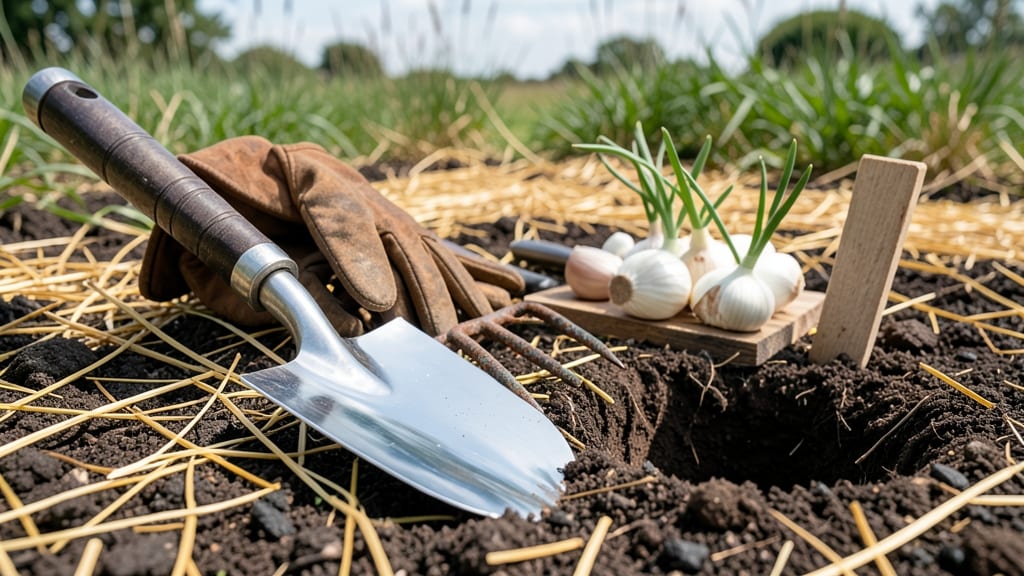
Allium bulbs should be planted in fall, about 6-8 weeks before your first frost—that’s the cold trigger they need to bloom beautifully next spring.
Struggling to time your allium bulb planting for vibrant spring blooms? These bulbs need a cold trigger to thrive—and planting too early or late can mean the difference between showstopping flowers and disappointing flops.
In USDA Zone 6a, that window is typically late September through early November. Plant them too soon, and they’ll sprout early, only to freeze back. Too late, and they won’t get enough chill time to form strong roots before winter sets in.
Below, I’ll walk you through the exact timing for your region, plus soil prep tips and spacing tricks to ensure your 🌸 alliums come back year after year with bold, dramatic blooms.
Understanding allium bulbs' chill requirements for perfect blooming timing
Allium bulbs—like Allium giganteum or Allium sphaerocephalon—require a cold stratification period to trigger blooming. This means they need 6-12 weeks of temperatures below 50°F (10°C) before they'll produce those iconic spherical flower heads.
Without this chill, your bulbs may sprout leaves but skip flowering entirely. Think of it like hibernating before the big show!
Different allium varieties have slightly different chill needs. Hardy ornamental alliums (like Allium moly) often thrive with 4-6 weeks of cold, while garlic types may need 8-12 weeks.
Even within the same species, bulb size matters—larger bulbs store more energy and can handle shorter chill periods better. Always check the packaging or seed catalog for variety-specific details.
Your USDA hardiness zone is your best friend when timing allium planting. In Zones 3-5, fall planting (6-8 weeks before first frost) is ideal because winter naturally provides the required chill.
In Zones 6-10, you can plant in late fall or early spring, but spring-planted bulbs may need artificial chilling (like refrigeration) to bloom on time. Let’s break down the best strategies for your zone.
🌱
To calculate your local frost dates, check the USDA Plant Hardiness Zone Map and add 6-8 weeks before your first expected frost for fall planting. For example, if your first frost is November 15, aim to plant by September 25.
In warmer zones (Zone 9-10), you might plant as late as December, but your bulbs will need artificial chilling (like storing them in a fridge for 6 weeks) to bloom in spring.
Pro tip: Use a soil thermometer to confirm when soil temps drop below 50°F (10°C)—this is your go signal for planting. If you’re unsure, fall planting is the safer bet, as it mimics nature’s timing.
Spring-planted bulbs often bolt to flower too early or produce weak stems if they don’t get enough chill.
Once planted, mulch heavily with straw or leaves to protect bulbs from freeze-thaw cycles, which can damage emerging shoots. In Zone 3-5, mulch can be 4-6 inches thick; in warmer zones, 2-3 inches suffices. Remove mulch in early spring to let bulbs warm up and sprout.
If you’re growing alliums for cut flowers, timing is critical for long vase life. Bulbs planted in fall will bloom 2-4 weeks earlier than spring-planted ones, giving you a head start on spring arrangements.
For Allium giganteum, for example, fall-planted bulbs often bloom in late May, while spring-planted ones may not peak until June.
Remember, allium bul
Step-by-step planting schedule by month for allium bulbs in your region
Timing is everything when planting allium bulbs—these beauties need a cold trigger to bloom spectacularly in spring. Whether you're in Zone 3 or Zone 10, follow this month-by-month guide to ensure your ornamental alliums get the perfect start.
I’ve included region-specific tweaks so you can adjust for your local climate.
For most gardeners, fall planting (October–November) is ideal, but spring planting (February–March) works too—if you act fast. The key is planting 6–8 weeks before your first hard frost.
Use a soil thermometer to confirm soil temps are below 60°F but not frozen. This ensures bulbs get their required chill period without rotting.
- October (Zones 3-7): Plant allium bulbs 6–8 weeks before frost (typically mid-October). Soil should be cool but workable. Add compost and mulch after planting.
- November (Zones 4-8): Final window for fall planting. Use a soil thermometer—stop if temps drop below 40°F. Cover with straw mulch for insulation.
- February (Zones 9-10): Spring planting begins. Plant as soon as soil is workable (usually early February). Water deeply after planting.
- March (All Zones): Last call for spring planting. Bulbs must sprout before summer heat. Avoid planting if drought conditions are forecasted.
If you’re in a warmer climate (Zones 9–10), you can plant allium bulbs in January for a spring bloom. Just ensure they get consistent moisture until roots establish. I’ve seen Allium giganteum thrive in Zone 10 when planted in late winter—the secret is keeping soil cool and moist.
For container gardening, plant bulbs in well-draining pots with sand or perlite mixed into soil. Use a south-facing window or grow lights to mimic full sun conditions. Containers warm up faster, so plant 2–3 weeks earlier than in-ground beds to avoid overheating.
After planting, water deeply to settle soil and encourage root growth. Avoid overwatering—allium bulbs rot in soggy soil. Once sprouts appear in spring, reduce watering slightly to prevent fungal diseases. Mulch with straw or shredded leaves to retain moisture and suppress weeds.
Remember, allium bulbs are perennials—they’ll return year after year if given the right conditions. The earlier you plant, the longer the chill period, and the more robust the blooms.
Mark your calendar now and set a reminder for your local frost date—your future spring garden will thank you! 🌸