
Plants
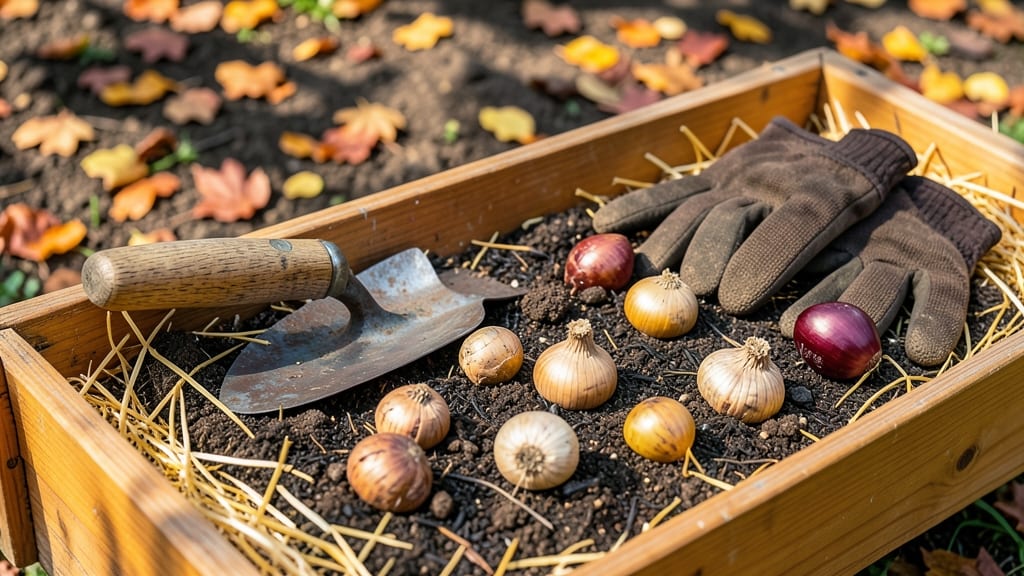
Planting bulbs in the fall ensures vibrant spring blooms, but the timing must align with your USDA zone’s chill requirements and frost dates.
Miss that window, and your garden could end up with six-foot vines of nothing but leaves—or worse, no blooms at all. The key is planting 4-6 weeks before the first frost, when soil temperatures hover around 40-50°F, giving roots time to establish before winter sets in.
In USDA Zone 6a, like many temperate regions, that means aiming for late September through October. Earlier zones get an extra month, while colder climates need to rush before the ground freezes.
Below, I’ll break down the exact weeks before frost for your zone, plus soil prep tips to maximize survival and spring color.
You’ll also discover why planting too early or late can backfire, how to adjust for unpredictable winters, and the one simple trick that keeps rodents from digging up your 🌱 investments before they even sprout.
Fall bulb planting timeline by USDA Zone: exact weeks before first frost
Planting fall bulbs too early or late can mean the difference between a showstopping spring garden and a wasted investment. Most bulbs need 6-16 weeks of winter chill (below 40°F) to trigger blooming.
If you plant them too soon, they’ll sprout and freeze. Too late, and they won’t root before the ground locks up. Here’s your zone-by-zone planting schedule to nail the timing every time.
Your USDA zone dictates the exact window—think of it as a countdown to first frost. For example, gardeners in Zone 3 (like Minneapolis) have just 4-6 weeks before the ground freezes, while those in Zone 9 (like Los Angeles) can plant until December.
The golden rule? Aim for 4-6 weeks before frost, but adjust based on soil temperature (ideal: 40-50°F).
Here’s how to read the table below: The “Weeks Before Frost” column shows your planting window, while the “Soil Temp Threshold” tells you when the ground is ready. For tulips and daffodils, which need 12-16 weeks of chill, Zones 3-5 must plant in September.
Meanwhile, crocus and alliums (6-10 weeks chill) can wait until October or even November in warmer zones.
If your winter arrives early or late, adjust accordingly. For example, in Zone 5, if frost hits by October 15 (earlier than usual), plant by September 15.
Conversely, if your first frost is delayed (like in Zone 7), you can push planting to November. Crocus and alliums are more flexible—they tolerate shorter chill periods (6-10 weeks), so they’re great for late-planting zones like 8-11.
For tulips and daffodils, which require 12-16 weeks of chill, don’t wait until October in Zone 4—you’ll risk premature sprouting. Instead
How to prepare bulbs for planting: soil, depth, and chill requirements
Before you even think about digging, your bulbs need proper prep to ensure they burst into spring blooms. Start by inspecting each bulb for soft spots or mold—discard any that look damaged. Healthy bulbs should feel firm and have a papery skin that isn’t shriveled.
If your bulbs arrive dry, soak them in lukewarm water for 4-12 hours to rehydrate, but never let them sit in water longer than that to avoid rot.
Next, consider giving your bulbs a head start by chilling them if you're in a warm climate. Most bulbs need 6-16 weeks below 40°F to trigger blooming. Store them in a cool, dark place like a garage or refrigerator (not the freezer!) for the required weeks.
This mimics winter conditions and ensures they’ll bloom reliably the following spring.
⚠️ Planting Too Early or Late Can Ruin Your Bulbs
Fall planting windows are tight—plant too early, and bulbs may sprout and die in frost. Too late, and they won’t get enough chill time to bloom. USDA Zones 3-5: Aim for 6 weeks before first frost (mid-September to early October). Zones 6-8: Wait until 4-6 weeks before frost (October to early November). Zones 9-11: Plant in November-December or even early spring for some varieties.
Once your bulbs are prepped, focus on soil preparation. Bulbs thrive in well-draining soil with a pH between 6.0 and 7.0. Amend heavy clay soil with compost or sand to improve drainage.
Avoid fresh manure or high-nitrogen fertilizers, as these can encourage foliage at the expense of blooms. Instead, mix in a balanced bulb fertilizer (like 5-10-10) at planting time for a slow-release nutrient boost.
When it comes to planting depth, follow the rule of thumb: plant bulbs 2-3 times their height deep. For example, a 2-inch tulip bulb should go 4-6 inches deep.
Smaller bulbs like crocus need only 2-3 inches deep, while larger ones like daffodils can go 6-8 inches deep. Planting too shallow can expose bulbs to frost heave, while planting too deep may delay or prevent blooming.
After planting, mulch generously with 2-3 inches of straw or shredded leaves to insulate bulbs from temperature swings and protect them from freezing-thaw cycles. This is especially critical in USDA Zones 3-5, where winter temperatures can drop dramatically.
Water the soil thoroughly after planting to settle it around the bulbs, but avoid overwatering, which can lead to rot.
Finally, resist the urge to fertilize in the fall—bulbs need to focus on root establishment, not rapid growth. Save fertilizing for early spring when shoots emerge. With the right prep, your bulbs will store energy all winter and reward you with vibrant, long-lasting blooms next spring. 🌷