
Planting
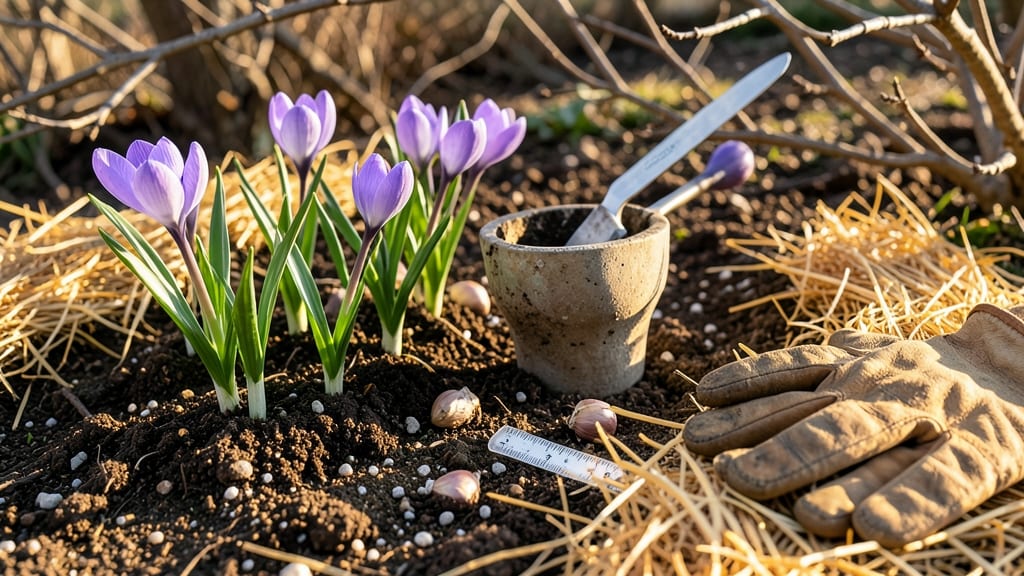
Planting fall crocus bulbs 🌸 in September or October sets the stage for those cheery purple blooms that push through snow in spring.
There’s nothing worse than digging up your garden in March to find nothing but bare soil where your crocus should be blooming. The secret? Timing, depth, and soil prep—get these right, and you’ll have a carpet of color before tulips even think about waking up.
Most gardeners in USDA Zones 3-9 can plant between late September and mid-November, but the exact window depends on your first frost date. Too early, and the bulbs may sprout and freeze; too late, and they won’t root deeply enough before winter sets in.
In this guide, I’ll walk you through the exact depth (3-4 inches), spacing (3-4 inches apart), and soil tricks to ensure your crocus thrives—plus the three mistakes that kill bulbs before they even bloom.
The exact depth and spacing for planting fall crocus bulbs
Planting fall crocus bulbs at the right depth and spacing is the secret to those cheerful spring blooms that push through snow. Too shallow, and they’ll rot; too deep, and they’ll struggle to emerge.
I’ve planted thousands of bulbs, and these precise measurements make all the difference for vibrant purple blooms next March.
Start with well-draining soil—crocus bulbs hate soggy conditions. Amend heavy clay with compost or sand to improve drainage. If your garden has poor drainage, consider raised beds or containers. The goal is to mimic their natural rocky Mediterranean habitats where water doesn’t pool around roots.
Planting depth is critical: 3-4 inches deep for most varieties. Use your finger to measure—this ensures roots have space to establish while keeping the bulb close enough to surface for spring emergence. In colder climates (Zones 3-5), plant on the deeper end (4 inches) to protect bulbs from freeze-thaw cycles.
Spacing matters too: place bulbs 3-4 inches apart in all directions. This gives them room to multiply naturally over years without crowding. For container gardening, use at least 2 bulbs per 6-inch pot, spacing them 2 inches apart to encourage early blooms.
After planting, water lightly but thoroughly to settle the soil around bulbs. Avoid heavy watering, which can displace them. In dry climates (Zones 7-9), a light mulch (1 inch) of straw helps retain moisture without suffocating bulbs. Skip mulch in wet climates—it can trap moisture and cause rot.
One mistake I see often is planting crocus too close to trees. Their roots compete aggressively, stealing nutrients and water. Keep crocus at least 3 feet away from tree bases. For lawn planting, use a bulb planter to create precise holes without disturbing grass roots—just water afterward.
For early spring blooms, plant white or yellow crocus varieties first—they emerge slightly earlier than purples. In rock gardens, tuck bulbs into crevices where they’ll peek through stones. This mimics their natural rocky habitats and creates stunning textural contrast with spring foliage.
Remember: fall-planted crocus need 6-8 weeks of cool soil before winter sets in. If you’re in Zone 9 or warmer, plant by early October to avoid winter rains that can cause rot. In colder zones (3-5), aim for late September planting to ensure roots establish before ground freezes.
Once planted, leave crocus alone until spring. No fertilizing, no extra watering—just patience. When those first purple blooms push through snow, you’ll know your depth and spacing were perfect. Happy planting!
Best fall planting timeline by US hardiness Zones
Timing your crocus bulb planting is everything—plant too early, and roots may rot; too late, and they won’t establish before winter. The key is 6-8 weeks before your first frost, but this varies wildly across US hardiness zones 3-9.
Let’s break it down by region so you can mark your calendar now.
In Zones 3-5, where winters are harsh, aim for late August to mid-September.
These zones have the shortest growing season, so bulbs need every week to root deeply before the ground freezes. Zone 6 gardeners have until mid-October, while Zones 7-9 can plant through early November—though late plantings may struggle in hot climates.
Pro tip: Check your local frost dates—the USDA Plant Hardiness Zone Map is your best friend. For example, Zone 6 (like much of the Midwest) typically sees first frost around October 15, so plant by September 1.
In Zone 9 (Southern California), you might still plant in early November, but water lightly to prevent rot.
If you’re in Zone 4 or colder, don’t wait—late August is your deadline. These bulbs need time to develop roots 3-4 inches deep before winter sets in. Zone 5 gardeners have until mid-September, but don’t delay—soil temperatures drop faster than you think.
For container gardeners, the rules are slightly different. Plant 2-3 weeks earlier than ground plantings since pots freeze faster. Use well-draining mix and move containers to a protected spot (like a garage) if frost threatens before roots establish.
Remember: Crocus bulbs are tough, but they’re not magic. Give them the right window, and they’ll reward you with spring blooms that push through snow. Mark your calendar, grab your gloves, and let’s get those bulbs in the ground—before it’s too late!