
Advice
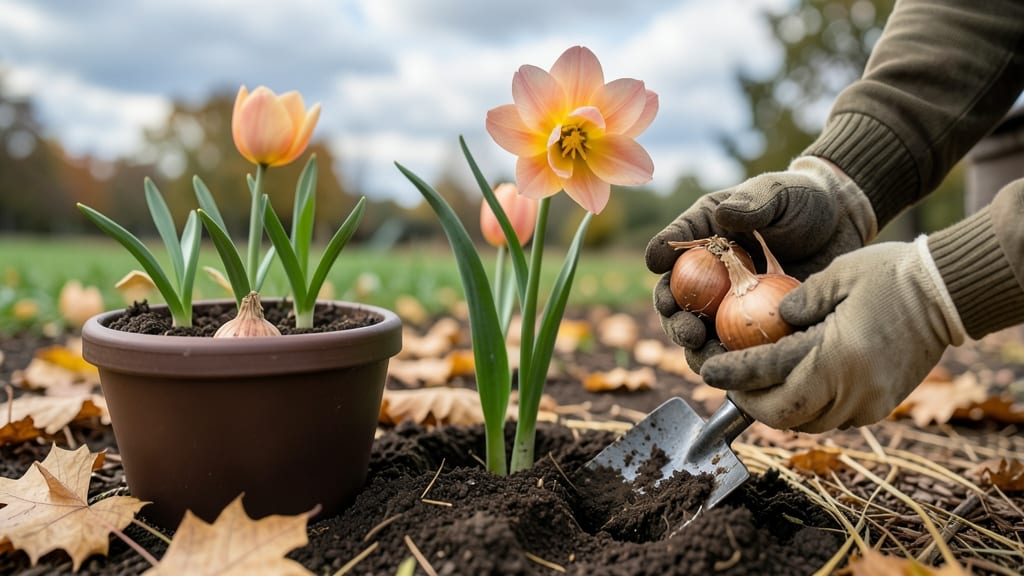
The Apricot Sunset Collection bulbs thrive in USDA Zones 3-9 and require 900-1,200 chill hours for optimal blooming, with planting best done in fall (6-8 weeks before frost) for spring flowers. Choose well-draining soil and full sun exposure for vibrant apricot-pink blooms.
The Apricot Sunset Collection bulbs are designed to reward gardeners with their stunning apricot-pink blooms, but they need the right conditions to perform at their best. 🌸 These bulbs rely on a winter cold period called chill hours—think of it like a natural reset button.
If your area gets less than 900 hours below 45°F, you might need to pre-chill the bulbs or choose a variety with lower chill requirements.
Planting in fall gives the bulbs time to establish roots before winter, while well-draining soil prevents rot and ensures those vibrant flowers make their spring debut.
For gardeners in Zones 3-5, the natural chill is usually sufficient, but those in Zones 6-9 may need to plant earlier in fall to meet the chill-hour requirement.
A little extra mulch in winter can help maintain soil temperature, and pairing these bulbs with perennials like lavender creates a low-maintenance, long-blooming display. The key is balancing timing, soil prep, and sunlight—once you get it right, you'll enjoy these cheerful blooms year after year.
💡 In This Article
- Understanding Chill-Hours for Apricot Sunset Bulbs
- Best Planting Zones and Soil Conditions for Apricot Sunset Flowers
Understanding chill-hours for apricot Sunset bulbs
The chill-hour requirement (900-1,200 hours below 45°F) is what transforms these bulbs from dormant underground storage units into spring's showstoppers. This cold exposure mimics their natural winter dormancy period in temperate climates, triggering internal biochemical changes that break dormancy and initiate flower bud formation.
Without sufficient chill, the bulbs may produce weak stems or no flowers at all—imagine planting a seed expecting a rosebush but getting only a sad green shoot! 🌱
To calculate your local chill hours, check your nearest weather station's records or use online chill-hour calculators that input daily low temperatures. For example, Zone 3 areas naturally accumulate 1,500+ chill hours, while Zone 9 may only get 800-900 hours.
The key threshold is 900 hours—below this, you'll need to pre-chill bulbs in your refrigerator's crisper drawer (unplanted, in a paper bag) for 8-12 weeks before planting. Think of it like giving your bulbs a winter vacation before their spring debut.
Adjusting planting timing based on chill hours makes all the difference. In colder regions (Zones 3-5), plant in October-November to ensure roots establish before winter. Warmer zones (6-9) should plant in September-October and consider pre-chilling.
Pro tip: Use a soil thermometer to monitor ground temps—ideal planting occurs when soil stays below 60°F for 2-3 weeks post-planting to encourage root growth without premature sprouting.
What most gardeners miss is that chill hours aren't just about temperature—they're about duration. A single cold snap won't cut it; it's the cumulative hours over weeks that matter.
For instance, Zone 7 might get 1,000 chill hours spread across 3 months, while Zone 4 could accumulate the same in just 2 months. This is why bulbs in milder climates often bloom later or more sporadically. The solution?
Plant earlier and consider varieties with slightly lower chill requirements (like 700-900 hours) for marginal zones.
Here's a visual guide to chill-hour zones and adjustments:
- Zones 3-5: Natural chill sufficient; plant October-November
- Zones 6-7: Borderline chill; plant September-October with pre-chilling if needed
- Zones 8-9: Low chill; pre-chill bulbs 8-12 weeks before planting in September
Remember, the goal is to have bulbs experience dormancy while still having 6-8 weeks of root growth before winter sets in. This balance ensures they're established enough to survive winter but not so advanced that they'll be damaged by early frosts. 🌡️