
Featured
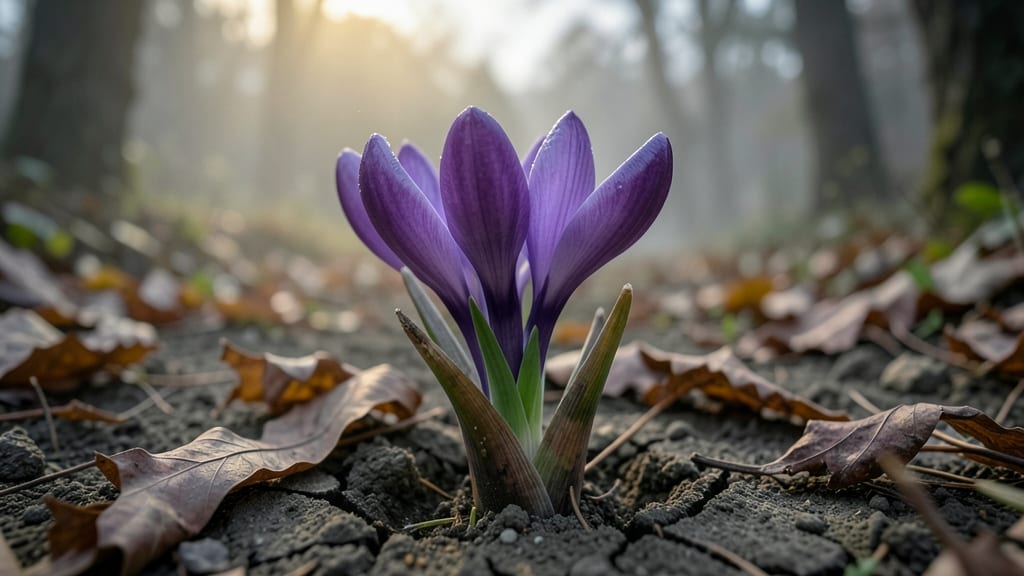
Struggling to keep your garden vibrant in shady spots? These 10 partial shade bulbs deliver stunning blooms and lush foliage without demanding full sun, perfect for under trees or north-facing beds.
Snowdrop Galanthus Nivalis
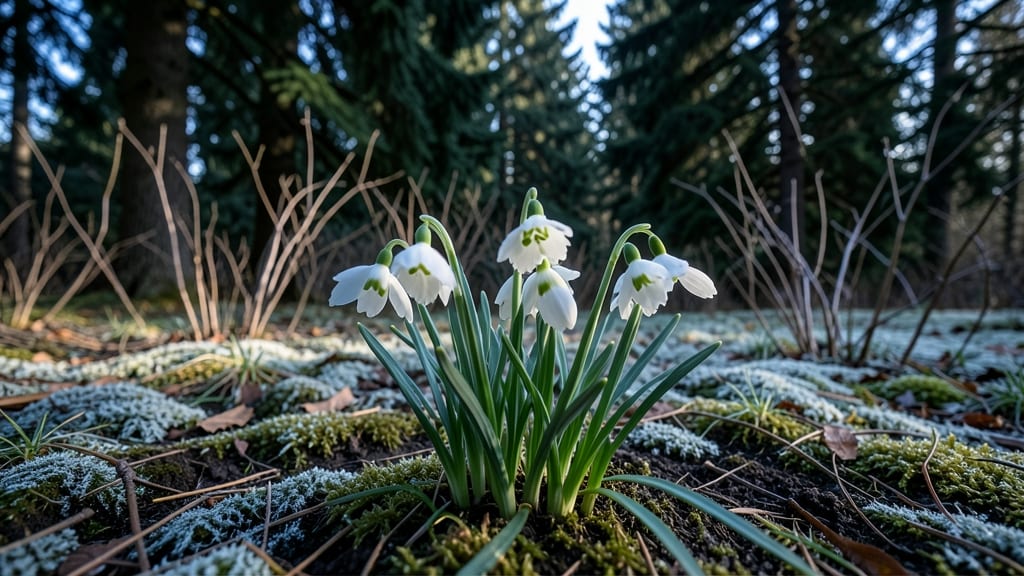
When winter's grip still lingers and most gardens lie dormant, **snowdrop (Galanthus nivalis) emerges as a delicate harbinger of spring. These deer-resistant charmers thrive in deep shade—where even hardy perennials struggle—making them perfect for under evergreens or in woodland gardens.
Plant bulbs in fall (September-October) at 4-6 inches deep in well-draining soil. Their white, bell-shaped blooms appear as early as January, often before snow melts, and they naturalize beautifully over time. A single plant can multiply into colonies, creating a snow-kissed carpet of flowers.
Ideal for beginners or busy gardeners, snowdrops require zero summer care and bloom reliably year after year. They’re the ultimate low-maintenance** shade bulb that turns winter into a season of quiet beauty. 🌱
Crocus Tommasinianus Woodland Crocus
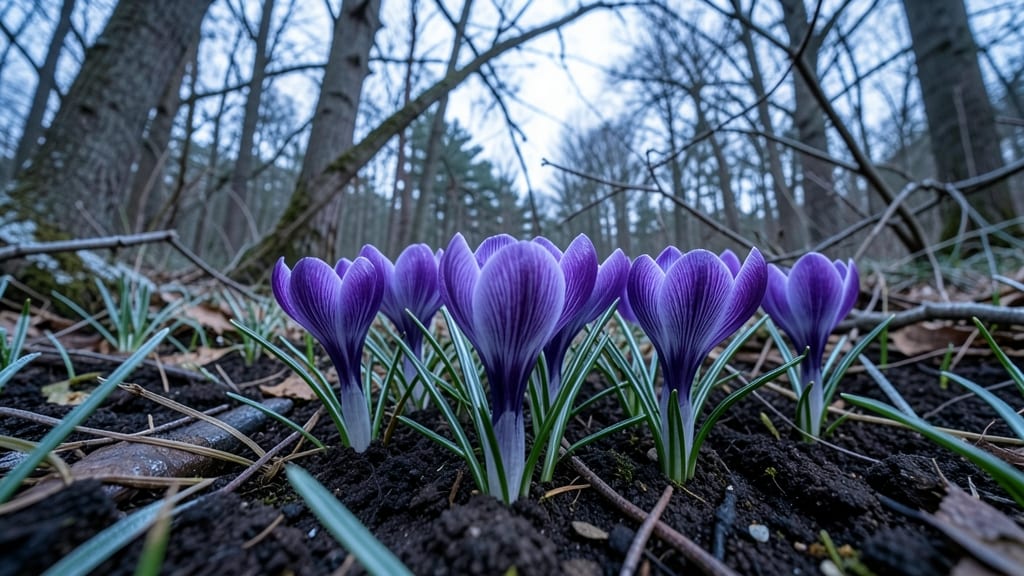
When most gardens are still sleeping under winter's chill, Crocus tommasinianus bursts into color with its striking purple-striped blooms—often appearing as early as late February. Unlike its sun-loving cousins, this woodland crocus thrives in heavy shade, making it perfect for spots under trees or along north-facing foundations where other bulbs struggle.
Plant the corms 3-4 inches deep in well-draining soil with a sprinkle of bone meal for extra vigor. Once established, it spreads effortlessly, creating naturalized drifts that multiply each year. The secret to its shade tolerance? Its deep roots access moisture and nutrients where surface plants can't reach. Pair it with heuchera or ferns for a layered, low-maintenance border that stays vibrant all season.
This crocus is a game-changer for gardeners who want early color without the fuss. Urban gardeners with limited space will love its compact size, while rock garden enthusiasts can tuck it into crevices for a pop of winter cheer. 🌷
Hellebore Lenten Rose
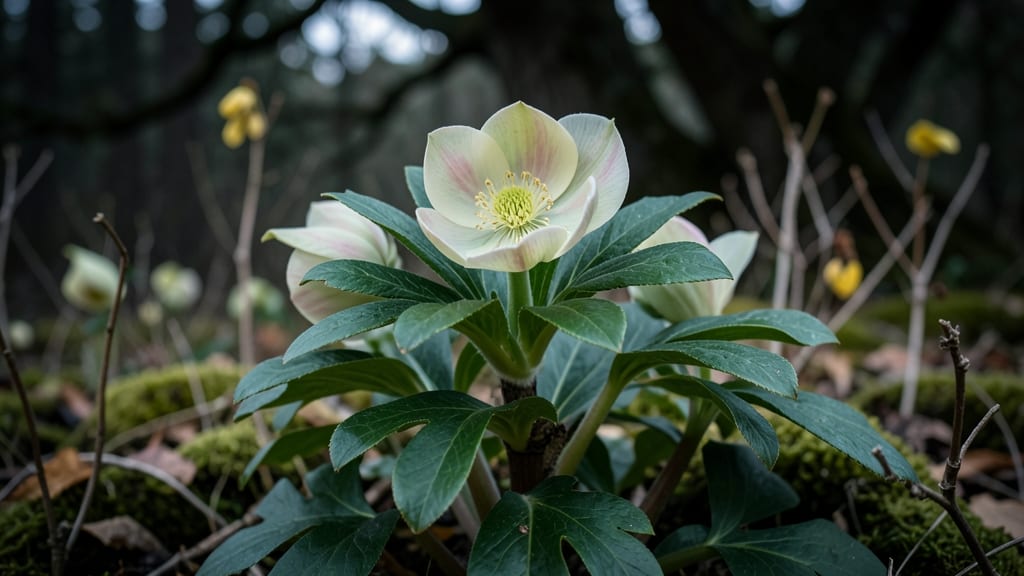
Tired of bare spots in your garden that refuse to stay green? The Hellebore Lenten Rose is your secret weapon—it thrives in deep shade where most plants give up, offering evergreen foliage and delicate blooms from winter through spring.
This deer-proof perennial handles neglect like a champ, with nodding flowers in shades of pink, white, or green that emerge even before spring bulbs. Plant it in well-draining soil under trees or along north-facing foundations, where it’ll reward you with year-round interest and minimal fuss.
Perfect for busy gardeners or problem areas where nothing else grows, hellebores add texture and color without demanding attention. 🌿
Allium Globemaster Purple Sensation
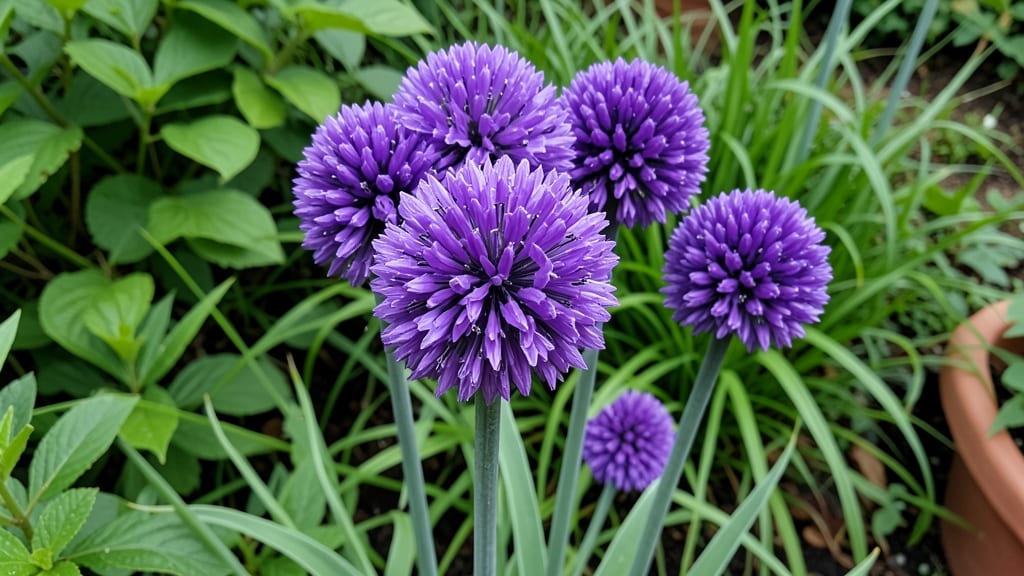
Looking for a dramatic late-spring statement that thrives where others struggle? Allium Globemaster Purple Sensation delivers globe-shaped purple blooms that rival sun-loving alliums while happily growing in partial shade—ideal for understory plantings or containers.
These pollinator magnets reach 2-3 feet tall with dense, 4-5 inch spherical blooms that last 4-6 weeks in late spring. Plant bulbs 6-8 inches deep in well-draining soil, spacing them 8-12 inches apart. Their vertical form makes them perfect for cutting gardens, where stems hold up beautifully in vases for 7-10 days.
Urban gardeners and small-space growers will love this versatile bulb—it performs equally well in garden beds or large containers. Just ensure they get at least 3-4 hours of light daily for best results. 🌻
Fritillary Imperialis Crown Imperial
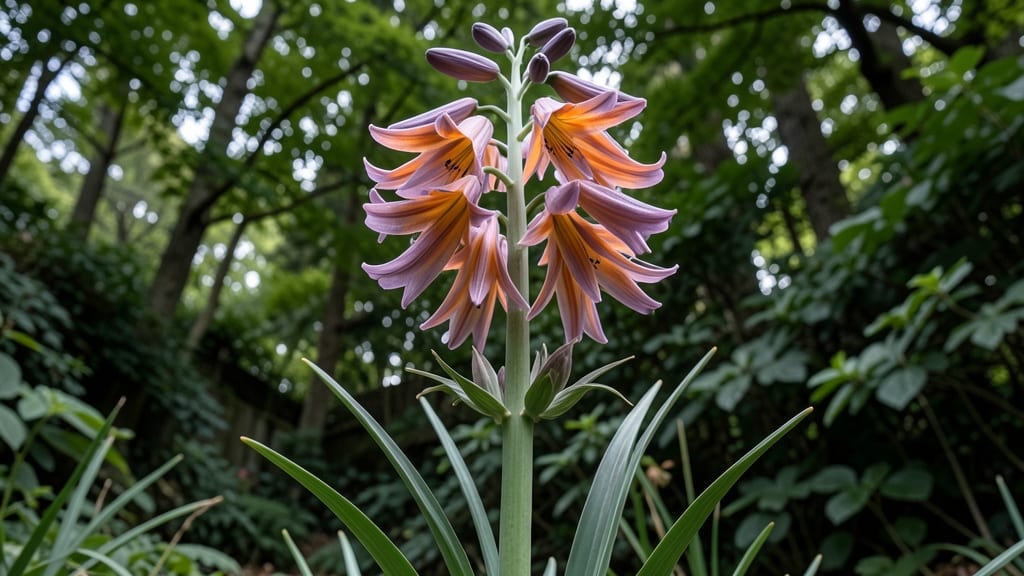
Want a dramatic summer statement in your shady garden without sacrificing bloom power? Fritillaria imperialis, or Crown Imperial, delivers exotic, striped orange-purple flowers that stand tall (up to 4 feet!) and thrive in partial shade—where most fritillaries would struggle.
These bulbs bloom in late spring to early summer, offering architectural foliage that stays interesting long after the flowers fade. Plant them in well-draining soil and provide morning sun with afternoon shade for best results. Their striking height makes them perfect as focal points in borders or woodland gardens.
Gardeners with limited sun but a love for bold blooms will adore this bulb—it’s the only fritillary that truly excels in partial shade while delivering that "wow" factor. 🌟
Muscari Armeniacum Grape Hyacinth
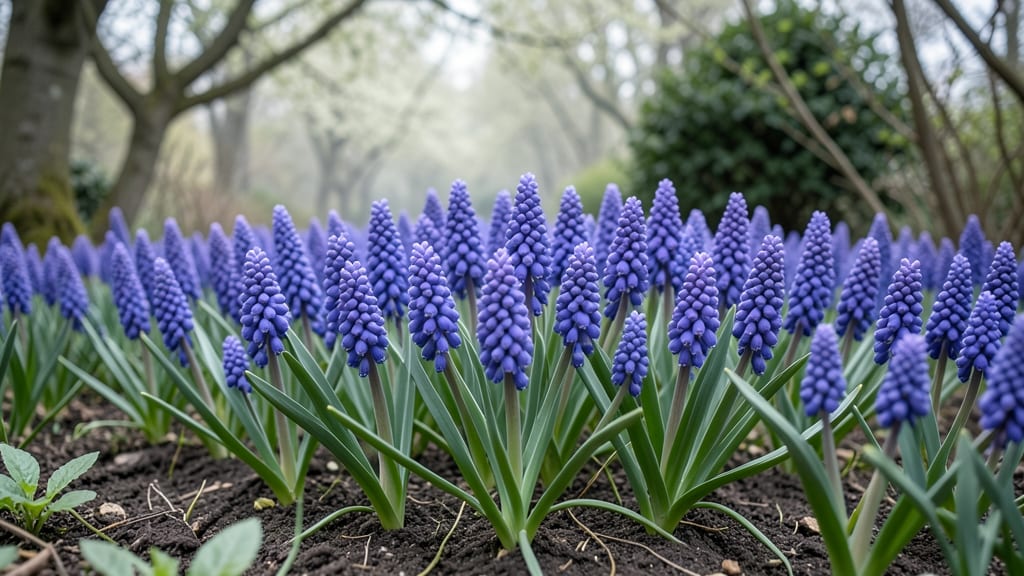
If you love a garden that bursts into color before summer even arrives, Muscari armeniacum—or grape hyacinth—is your secret weapon. These compact, grape-like blooms appear in early spring, creating a stunning carpet of purple-blue that thrives where other bulbs struggle.
Plant them in partial shade (3-6 hours of sunlight) for the best results, and watch them naturalize aggressively over time. They’re perfect for borders, under shrubs, or even as a ground cover in shady spots. Just plant the bulbs 3 inches deep in well-draining soil, and enjoy their cheerful blooms year after year with minimal care.
Urban gardeners and small-space enthusiasts will love how they fill gaps quickly, while woodland gardeners can use them to brighten dark corners. 🌱
Erythronium Tuolumnense Tuolumne White Fawn Lily
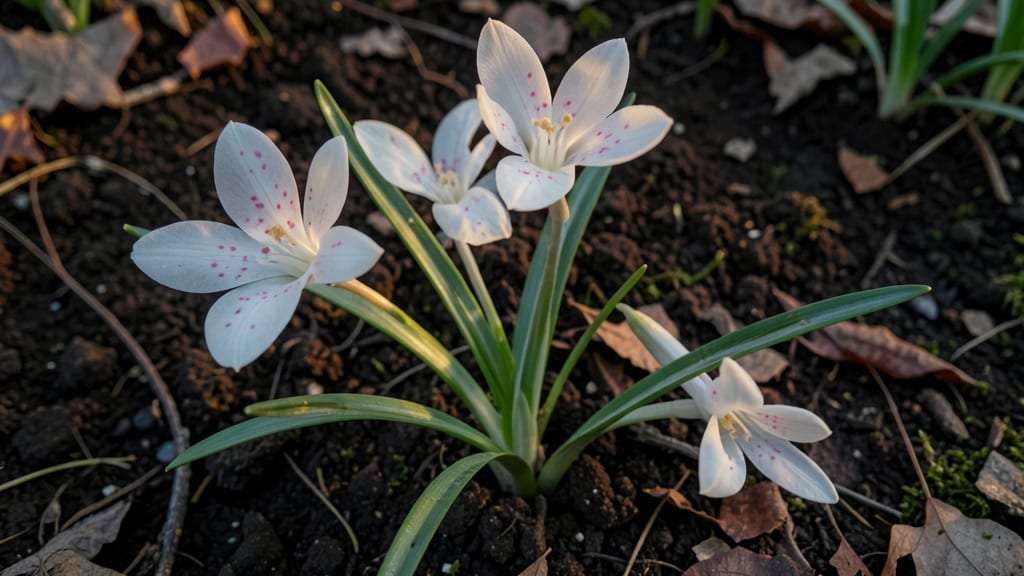
When you crave a woodland garden feel without the high maintenance, the Erythronium tuolumnense Tuolumne White Fawn Lily delivers effortless elegance. These delicate blooms emerge in early spring with pure white petals speckled with soft pink spots, creating a striking contrast against dark soil and emerging foliage.
Perfect for naturalizing under deciduous trees, this bulb thrives in partial shade to full shade conditions and produces mottled, lance-shaped leaves that add texture to your garden. Plant bulbs in fall at a depth of 4-6 inches, spacing them 4-6 inches apart for a carpet of color. They're particularly well-suited for woodland gardens, native plantings, or as a striking accent in shade borders.
Gardeners who love low-maintenance woodland plants will appreciate how these lilies multiply over time, creating beautiful colonies. Their early spring blooms provide a welcome burst of color when few other plants are flowering. 🌷
Camassia Leichtlinii Great Camas
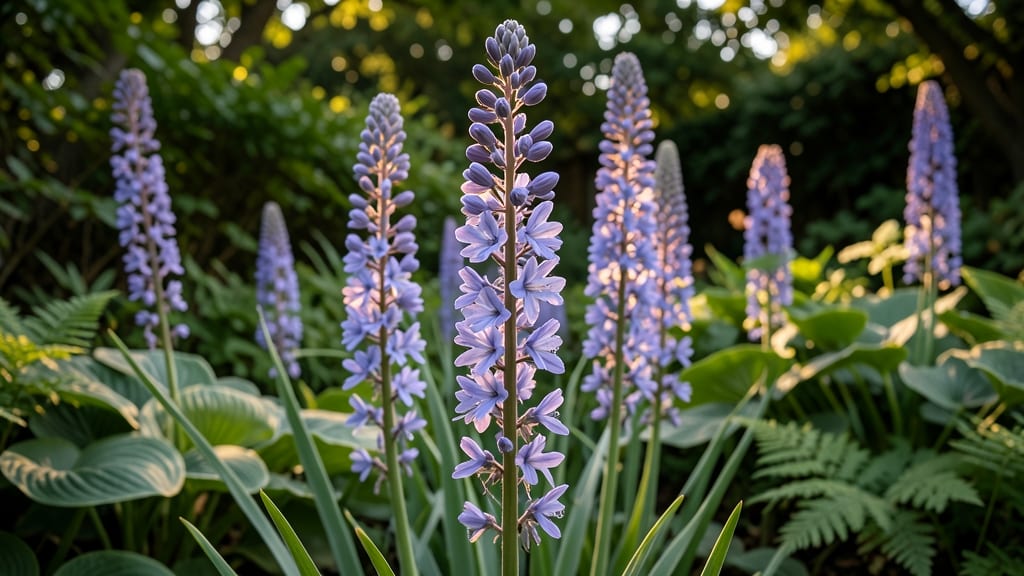
Tired of shade gardens that lack height and drama? Camassia leichtlinii, or Great Camas, delivers towering lavender-blue flower spikes that reach 3-5 feet tall, creating instant vertical interest where most shade plants struggle to grow.
This pollinator magnet thrives in partial shade (3-6 hours of sun) and blooms in late spring, long after many bulbs have finished. Plant in moist, well-draining soil and group clusters for maximum impact—each spike produces 50-100 tiny flowers that bees and butterflies adore. The grass-like foliage adds texture even after blooming.
Perfect for cottage gardens, woodland edges, or as a dramatic backdrop for shorter perennials. Its drought tolerance once established makes it ideal for low-maintenance shade gardens. 🌻
Lilium Regale Regal Lily
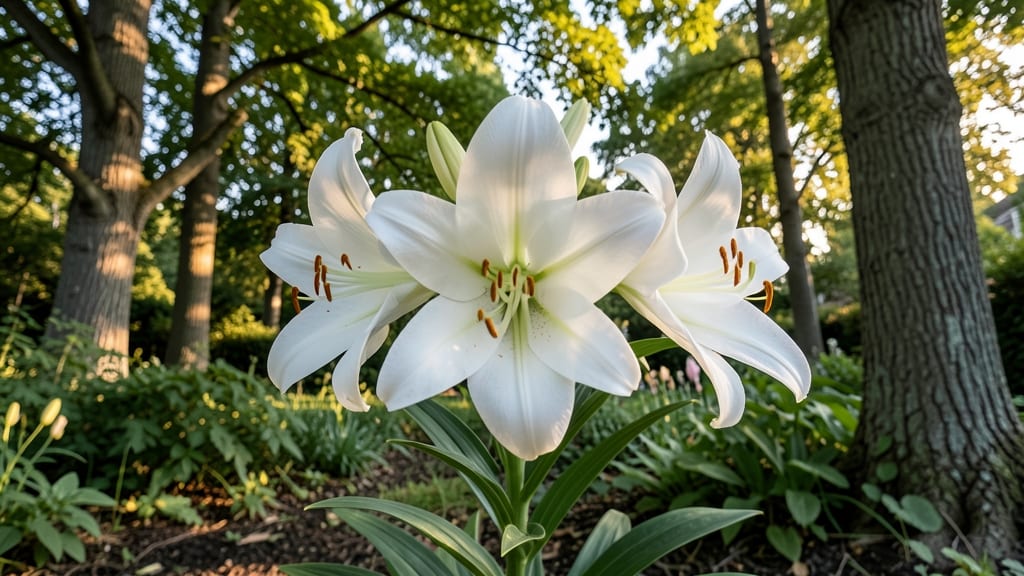
When most shade gardens fade into green monotony by late summer, the Lilium regale steps in with its fragrant white trumpets, offering a dramatic burst of color and scent when you need it most. Unlike sun-loving lilies, this variety thrives in partial shade—perfect for spots under trees or along north-facing walls where other bulbs struggle.
Plant bulbs in fall (September-October) at 6-8 inches deep in well-draining soil, and you’ll be rewarded with disease-resistant blooms that appear in late July through August. Their intoxicating fragrance fills the air on warm evenings, attracting hummingbirds and bees while keeping deer and rabbits at bay. For best results, pair them with hostas or ferns to create a lush, layered shade garden that stays vibrant all season.
This lily is a game-changer for gardeners who want late-season drama without the fuss of high-maintenance plants. Whether you’re filling a shady border or brightening a container, regal lilies deliver effortless elegance when it matters most. 🌻
Colchicum Autumnale Meadow Saffron

When most bulbs have already called it quits for the year, Colchicum autumnale (meadow saffron) stages its dramatic entrance with vibrant purple flowers that emerge directly from bare soil in autumn. This unusual bulb thrives in deep shade where few other plants dare to grow, making it perfect for understory plantings or north-facing beds that stay shadowy all season.
Plant the corms 2-3 inches deep in well-draining soil in early summer (June-July), when the foliage has died back. Unlike spring-blooming bulbs, meadow saffron stores energy underground during summer to fuel its late-season show. The 6-inch-tall blooms appear in September-October, often when other gardens are already fading into dormancy, and they're deer-resistant—a rare bonus for shade gardeners.
This bulb is a must-have for woodland gardeners or those with heavy shade who crave color beyond spring. Its unique blooming window extends your garden's season and creates stunning contrasts against autumn foliage. 💚