
Planting
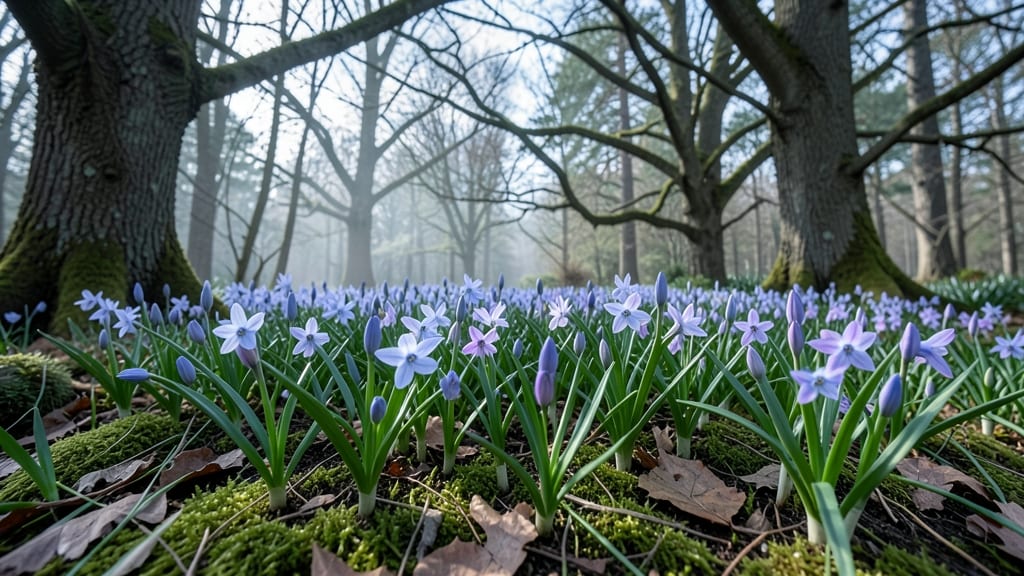
February is the perfect time to jumpstart your spring garden with cold-hardy bulbs that bloom early. These 10 resilient varieties thrive in winter chill, offering vibrant color and fragrance when most gardens are still dormant.
Daffodil Bulbs For Bright Yellow Blooms
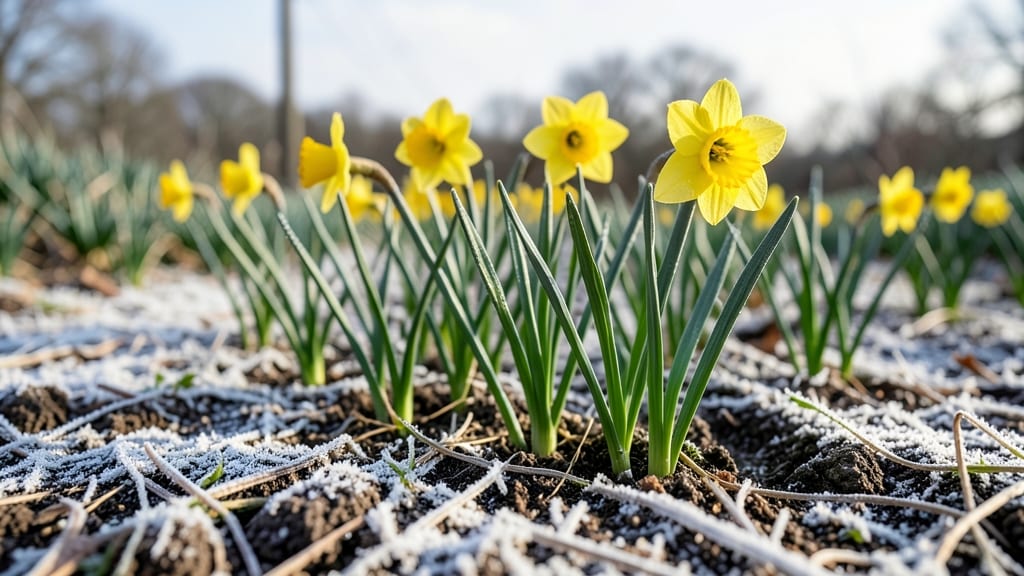
There’s nothing quite like the first flash of bright yellow daffodils breaking through frost-crusted soil—it’s nature’s way of announcing spring’s arrival. These cheerful blooms aren’t just beautiful; they’re also deer-resistant and symbolize renewal, making them a perfect choice for February planting.
For best results, plant daffodil bulbs 6 inches deep in well-draining soil with 6 hours of sun daily. They thrive in both sunny borders and woodland edges, where they’ll naturalize and multiply over time. Choose varieties like 'Tête-à-Tête' for compact blooms or 'Ice Follies' for striking white-and-yellow contrast to keep your garden vibrant.
These low-maintenance bulbs reward gardeners with year-round benefits—early spring color, pest deterrence, and long-lived foliage. Perfect for beginners or busy gardeners, daffodils bring joy with minimal effort. 🌻
Tulip Bulbs In Frost-Proof Varieties
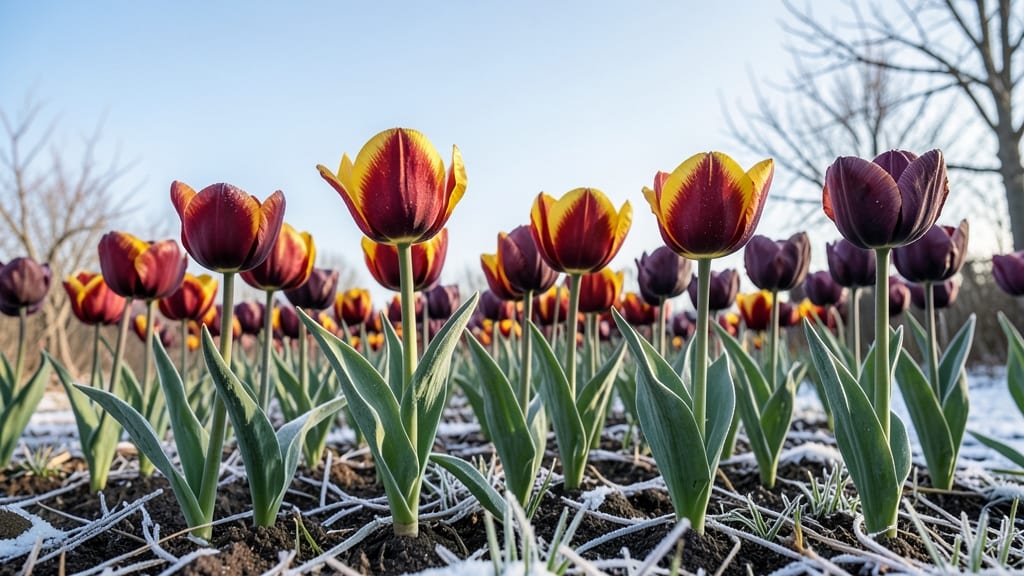
When you crave bold, long-lasting tulips that defy winter’s chill, Darwin Hybrid and Fosteriana varieties are your secret weapon. Unlike delicate spring tulips, these frost-proof types thrive in sub-freezing temperatures and deliver showstopping blooms weeks before other perennials emerge.
Darwin Hybrids (like 'Apeldoorn' or 'Queen of Night') produce large, cup-shaped flowers on sturdy stems, perfect for cutting gardens or adding height to winter landscapes. Fosteriana tulips ('Red Emperor' or 'Yellow Emperor') bloom even earlier, with exotic, lantern-like shapes that stand out against snow. Both varieties naturalize well in USDA Zones 3-8, making them ideal for northern climates.
Gardeners who plant these in late winter (February) enjoy extended bloom times and fewer pest issues. Their bold colors—deep reds, fiery oranges, and creamy whites—create instant drama in cutting arrangements or as focal points in winter borders. 🌻
Crocus Bulbs For Honeybee Foraging
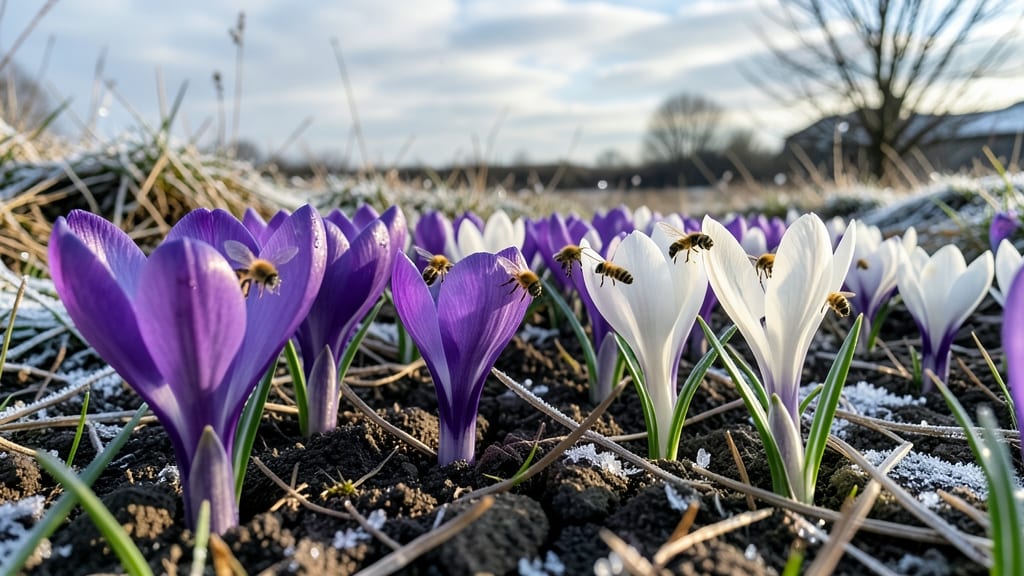
When bees emerge from winter hibernation, they need every drop of nectar they can find—and crocus bulbs are nature’s early spring buffet. Planting Tommasinianum (purple) or Sievewrightii (white) varieties gives these pollinators their first meal of the season while adding delicate ground cover to your garden.
These drought-tolerant crocuses thrive in rocky soil or containers, making them perfect for urban gardens, alpine beds, or even crevices between stepping stones. Their late-winter blooms (February–March) appear before most perennials wake up, and they multiply over time for years of effortless color.
Perfect for eco-conscious gardeners, these crocuses support local ecosystems while requiring almost no maintenance. Just plant them shallowly (2–3 inches deep) and watch them transform bare spots into a buzzing, blooming paradise. 🌱
Allium Bulbs For Dramatic Globe Shapes
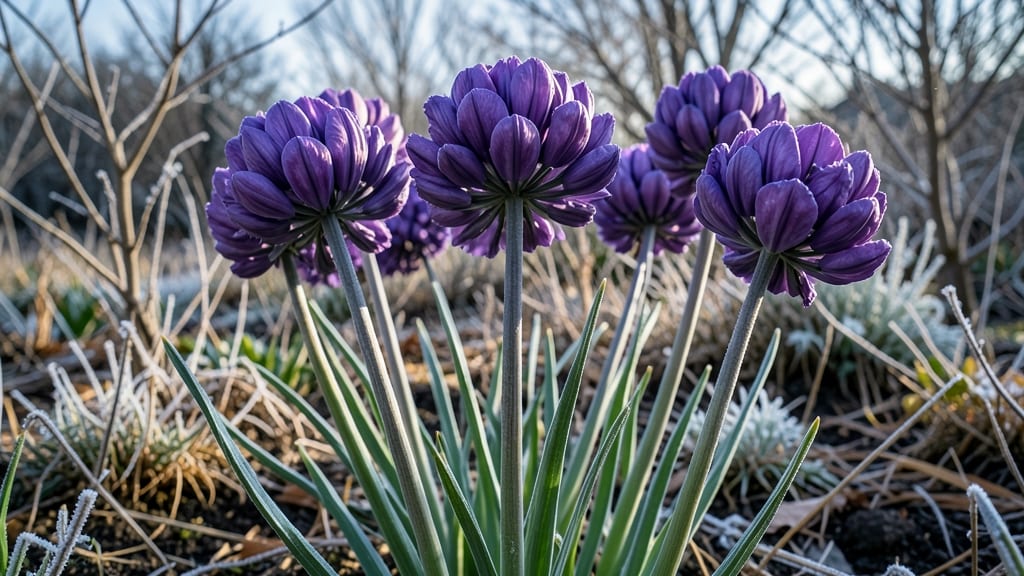
If you want to add dramatic height and texture to your February garden, allium bulbs are your secret weapon. These globe-shaped blooms—like the towering 'Allium giganteum'—create striking focal points that outshine traditional flowers with their bold purple spheres.
Plant them in full sun to partial shade and watch them thrive with minimal water once established. Their drought-tolerant nature makes them ideal for low-maintenance gardens, and they pair beautifully with soft-textured perennials like lamb’s ear or ornamental grasses. For best results, plant bulbs 6 inches deep in well-draining soil, and enjoy blooms that appear in late spring.
Perfect for cottage gardens, modern landscapes, or even container plantings, alliums bring architectural flair without the fuss. 🌟
Snowdrop Bulbs For Shady Gardens
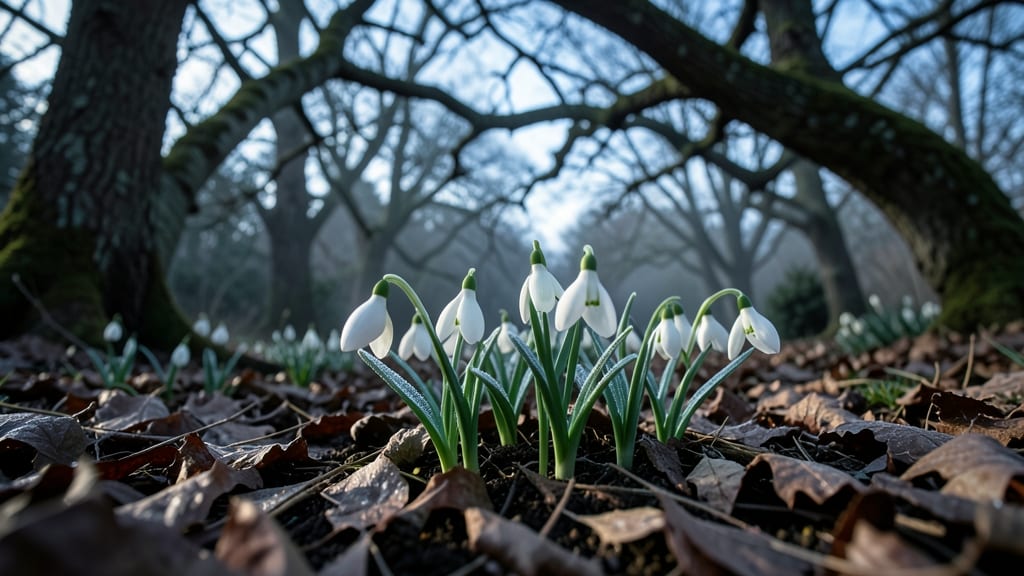
When your garden is still too dark for most bulbs, snowdrops step in as nature’s gentle messengers of spring. These hardy bloomers push through snow or leaf litter to deliver delicate white flowers that brighten shady corners where nothing else grows.
Plant them in deep shade under trees or shrubs, where they’ll naturalize effortlessly over time. Unlike sun-loving bulbs, snowdrops thrive in moist, well-drained soil with minimal care—just scatter bulbs 2-3 inches deep in fall or early winter. Their early bloom time (often February-March) makes them perfect for creating a year-round display when paired with late-season perennials.
Urban gardeners and woodland lovers will adore how snowdrops transform dull winter spaces into hopeful, fragrant havens. 🌱
Hyacinth Bulbs For Fragrant Clusters
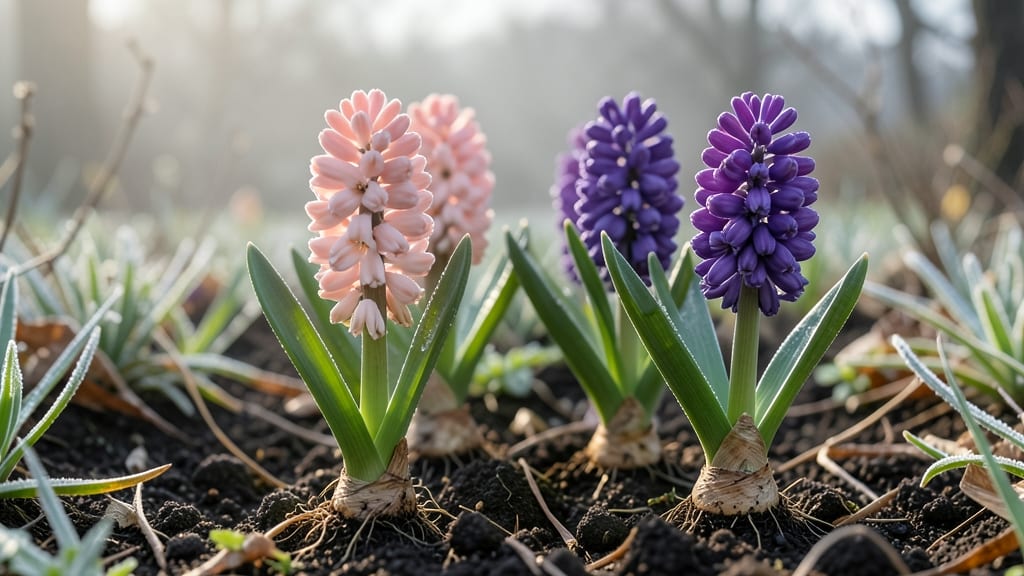
If you crave a garden that smells as good as it looks, hyacinth bulbs are your secret weapon. These fragrant powerhouses—especially the varieties 'L’Innocence' (soft pink) and 'Woodstock' (deep purple)—fill the air with sweet, intoxicating perfume long before other spring blooms appear.
Plant them in clusters of at least 5-7 bulbs for maximum scent impact, and they’ll thrive in full sun to partial shade, even tolerating light frosts. For container gardens, choose shallow pots (6+ inches deep) and group 3-5 bulbs together. Their early spring blooms (March-April) make them perfect for brightening up patios or windowsills before summer’s heat arrives.
Urban gardeners and small-space enthusiasts will love how hyacinths bring year-round joy—dig up bulbs after flowering, store them dry, and replant next winter. Their low-maintenance nature and bold fragrance make them a must for sensory gardens. 🌷
Fritillary Bulbs For Checkered Patterns
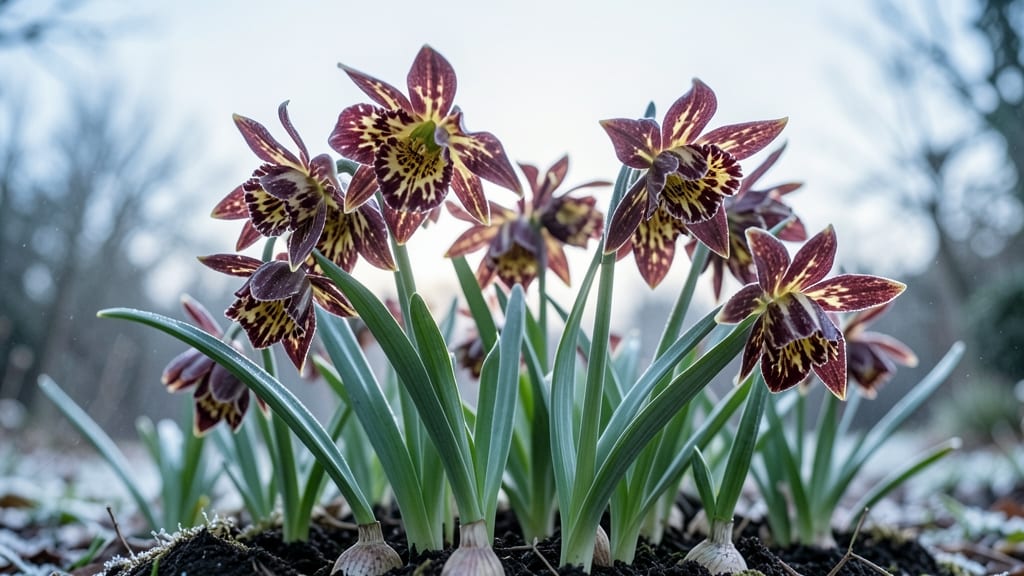
If you crave exotic beauty in your early spring garden, fritillary bulbs deliver with their checkered, bell-shaped blooms that resemble stained glass. Unlike traditional bulbs, these imperial fritillaries ('Imperialis') and snake's-head fritillaries ('Meleagris') create a dramatic focal point that’s impossible to ignore.
Plant bulbs in well-draining soil and full sun to partial shade for best results. Their unique foliage—long, grass-like leaves with subtle stripes—adds texture long after blooms fade, making them a year-round garden asset. For maximum impact, pair them with early bloomers like crocus or snowdrops to extend your spring display.
Perfect for urban gardeners with limited space or design-focused growers, fritillaries thrive in containers or cottage-style borders. Their deer-resistant nature is a bonus for rural gardeners. 🌷
Muscari Bulbs For Grape-Like Clusters
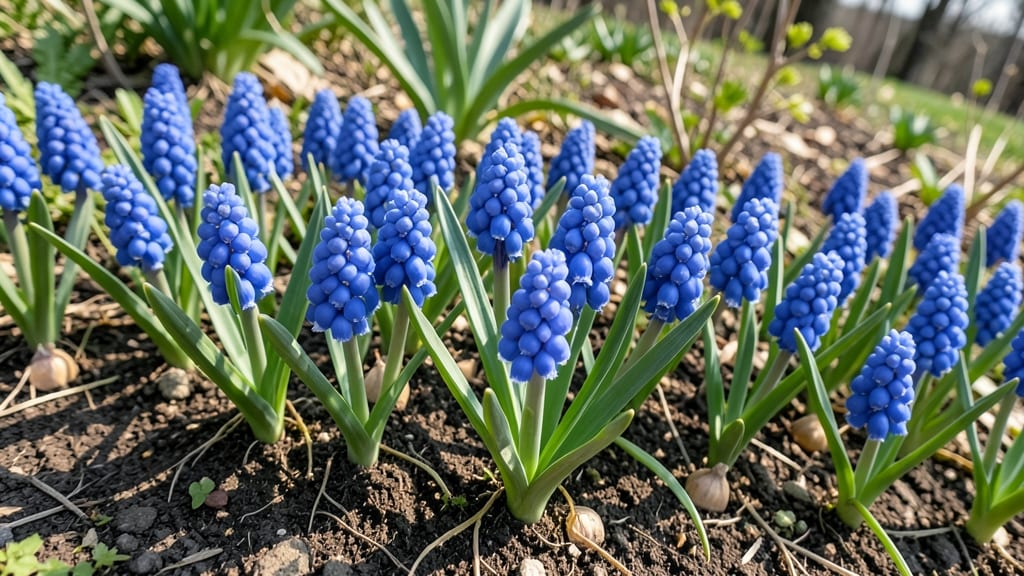
If you love the look of tiny grape clusters but want a low-maintenance, cold-hardy alternative, grape hyacinths (Muscari armeniacum) are your perfect match. These dwarf bulbs produce dense, grape-like blue blooms that pop against early spring foliage—ideal for filling gaps where other plants haven’t emerged yet.
Plant them in full sun to partial shade and enjoy their 3-4 week bloom period in late winter or early spring. They thrive in well-draining soil and are perfect for edging paths, rock gardens, or even containers on patios. Their deer-resistant nature makes them a hassle-free choice for busy gardeners.
These bulbs are especially great for urban gardeners or small spaces, as they stay compact and multiply over time. Add them to your February planting list for a burst of color that’s both charming and effortless. 💚
Winter Aconite Bulbs For Sunny Spots
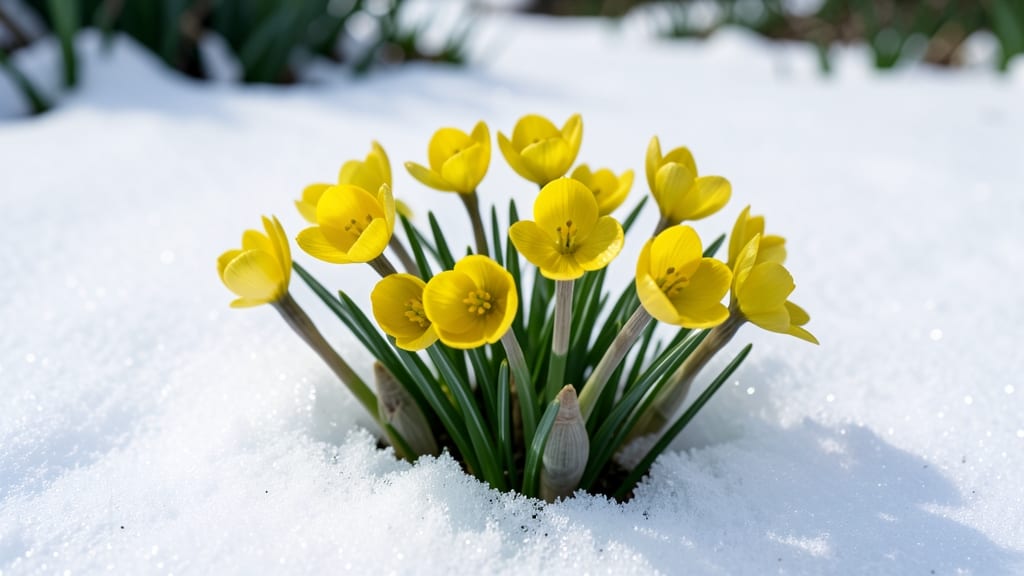
When you crave color in the bleakest winter months, winter aconite ('Eranthis hyemalis') delivers sunshine on demand. These tiny, bright yellow blooms push through snow in full sun locations, offering a bold contrast to white landscapes and lifting spirits when gardens feel dormant.
Plant the bulbs just below the soil surface in well-draining soil after the ground thaws but before spring growth begins. They thrive in USDA zones 3-8, making them ideal for northern gardens. The deer-resistant nature means you won’t need extra protection—just enjoy their cheerful presence year after year.
Perfect for rock gardens, woodland edges, or containers, winter aconite’s early bloom time makes it a standout for gardeners who want instant winter cheer. 🌻
Scilla Bulbs For Woodland Blue Beauty

If your garden has shady spots where other bulbs struggle, scilla bulbs are your secret weapon for early spring color. These woodland natives produce delicate, star-shaped blooms in soft blues and purples that create a dreamy carpet effect under trees or shrubs.
Plant 'Siberian' or 'Squamata' varieties in well-draining soil with partial to full shade, and they’ll reward you with low-maintenance beauty for years. Their long, grass-like foliage disappears after blooming, leaving no mess—just reliable color season after season. Perfect for naturalizing in tricky spots where sunlight is scarce. 💚