
Planting
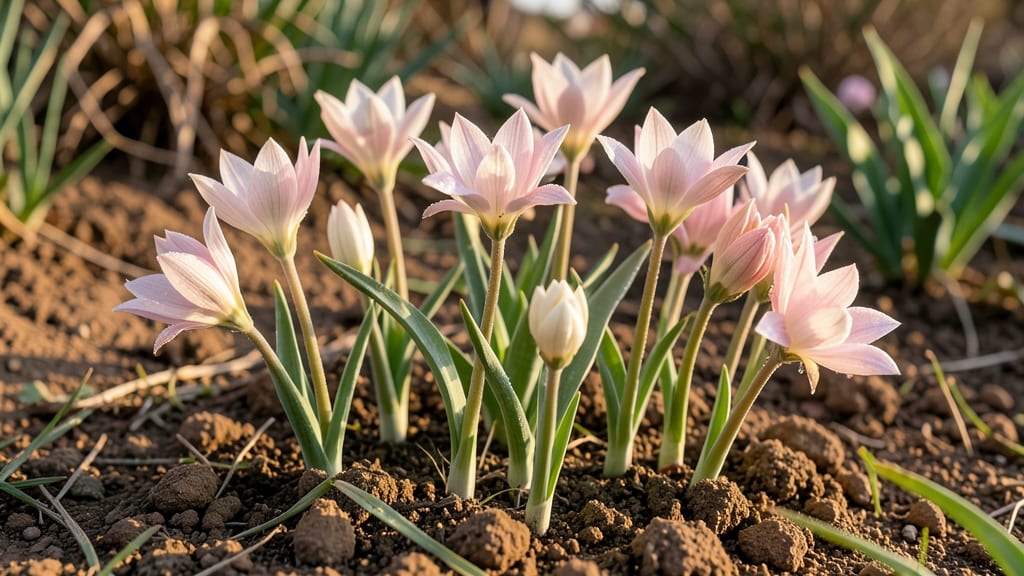
January is the perfect time to plant cold-hardy bulbs that will reward you with vibrant spring blooms. These 10 bulbs thrive in winter planting, offering early color, fragrance, and long-lasting beauty in your garden.
Tulip Bulbs for Early Spring Color
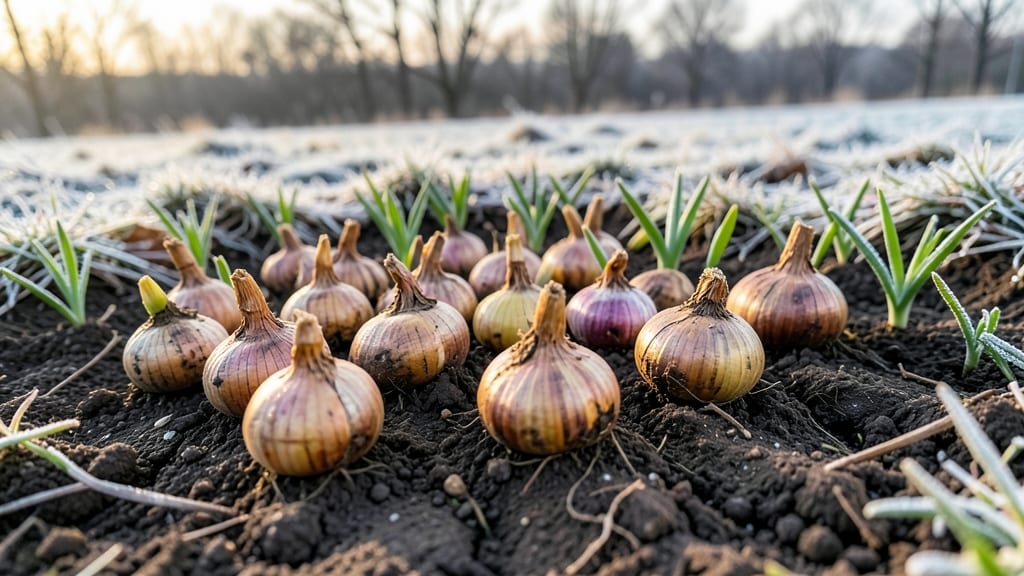
There’s nothing quite like the first burst of color after a long winter, and tulip bulbs are the secret weapon for achieving it. Plant them in January, and you’ll be rewarded with blooms as early as March—turning your garden into a springtime masterpiece with minimal effort.
With over 100 varieties to choose from, tulips offer endless possibilities for color, height, and bloom time. Plant bulbs 6 inches deep in well-draining soil, and space them 4-6 inches apart for a full, lush look. Most tulips thrive in full sun to partial shade, making them versatile for almost any garden spot. For extra protection, add a layer of mulch after planting to insulate the soil and keep the bulbs cozy through winter.
This classic choice is perfect for gardeners who want a reliable, low-maintenance way to brighten up their landscape. Whether you’re a beginner or a seasoned pro, tulips deliver instant gratification and a pop of color that’s hard to beat. 🌟
Daffodil Bulbs for Pest-Resistant Blooms
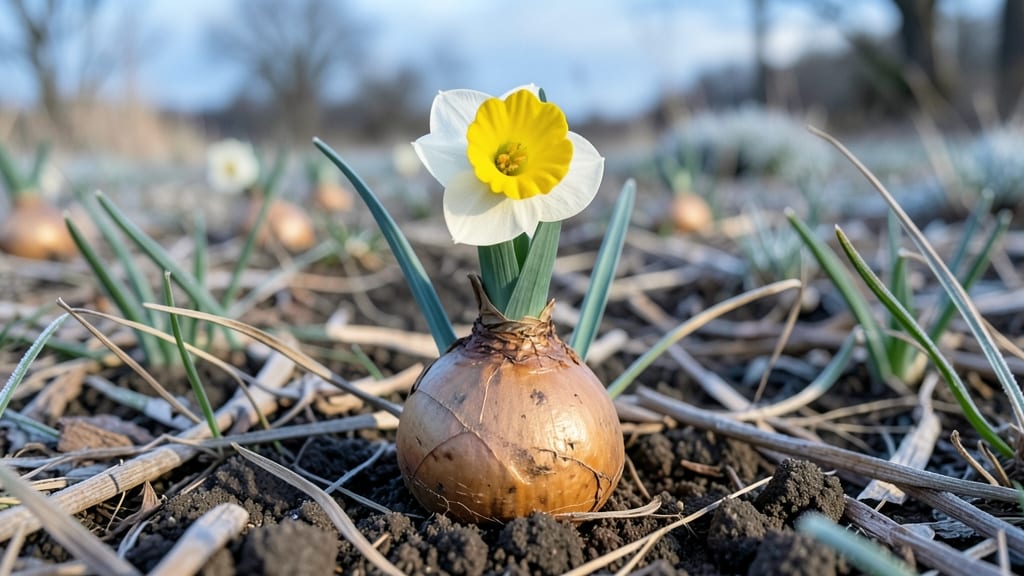
Tired of deer nibbling your garden before it even gets a chance to grow? Daffodil bulbs are your secret weapon—these cheerful bloomers naturally repel deer and rodents while thriving in winter planting. Their bright yellow or white flowers will be the first splash of color signaling spring’s arrival.
Plant daffodil bulbs 6-8 inches deep in well-draining soil, and they’ll reward you with low-maintenance beauty that multiplies over time. The key is to choose hardy varieties like 'Ice Follies' or 'Tête-à-Tête', which bloom reliably even in colder climates. Their toxic foliage keeps pests away while adding structure to your garden.
Perfect for wildlife-friendly landscapes, these bulbs attract pollinators early in the season and bring joy to gardeners who want color without the fuss. Your garden will thank you for this easy, pest-proof solution. 🌻
Crocus Bulbs for Early Pollinators
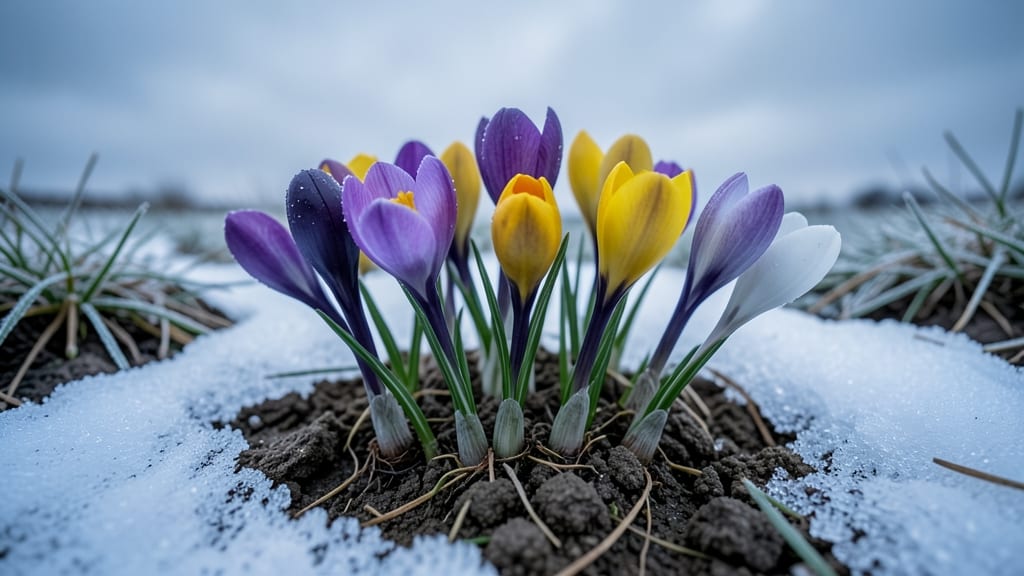
If you want to give early-season pollinators a head start, crocus bulbs are your secret weapon. These tiny but mighty blooms often emerge through melting snow, providing critical nectar for bees and butterflies when little else is available.
Plant crocus bulbs in groups of 10-15 for maximum impact, spacing them 2-3 inches apart in well-draining soil. They thrive in full sun to partial shade and only need 3-4 inches of soil coverage—perfect for underplanting shrubs or lining garden paths. Choose early varieties like 'Purple Striped' or 'Whitewell Purple' for the fastest spring color.
Urban gardeners and pollinator enthusiasts will love how crocus creates a living carpet of color while supporting wildlife. Just add a light mulch after planting to protect them through winter. 🌱
Hyacinth Bulbs for Fragrant Garden Perfume
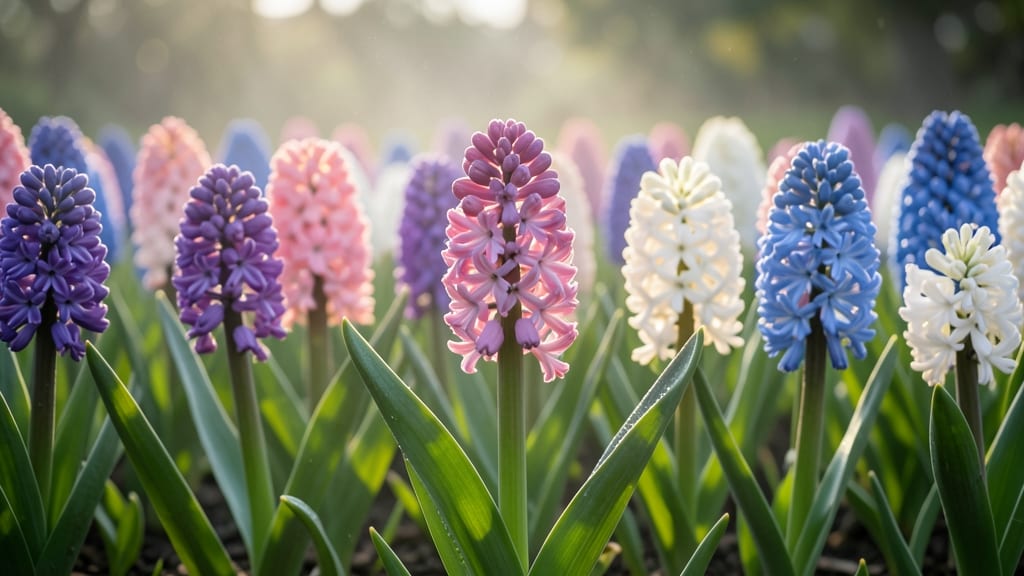
Imagine stepping into your garden in early spring and being greeted by a wave of sweet, intoxicating perfume—hyacinths deliver exactly that sensory experience. These winter-planted bulbs produce dense clusters of fragrant blooms in shades of purple, pink, white, or blue, filling the air with a scent that rivals even the most luxurious perfumes.
For best results, plant hyacinth bulbs in well-drained soil with full sun to partial shade, about 6 inches deep and 4-6 inches apart. They thrive in USDA zones 3-8 and prefer cooler temperatures, making January the ideal time to tuck them into the ground. Once planted, mulch lightly to protect them from freezing temperatures until spring.
Perfect for small gardens, containers, or along pathways, hyacinths bring a luxurious fragrance that’s hard to match. Their early bloom time makes them a favorite for gardeners eager to welcome spring with both sight and scent. 🌷
Allium Bulbs for Dramatic Garden Height
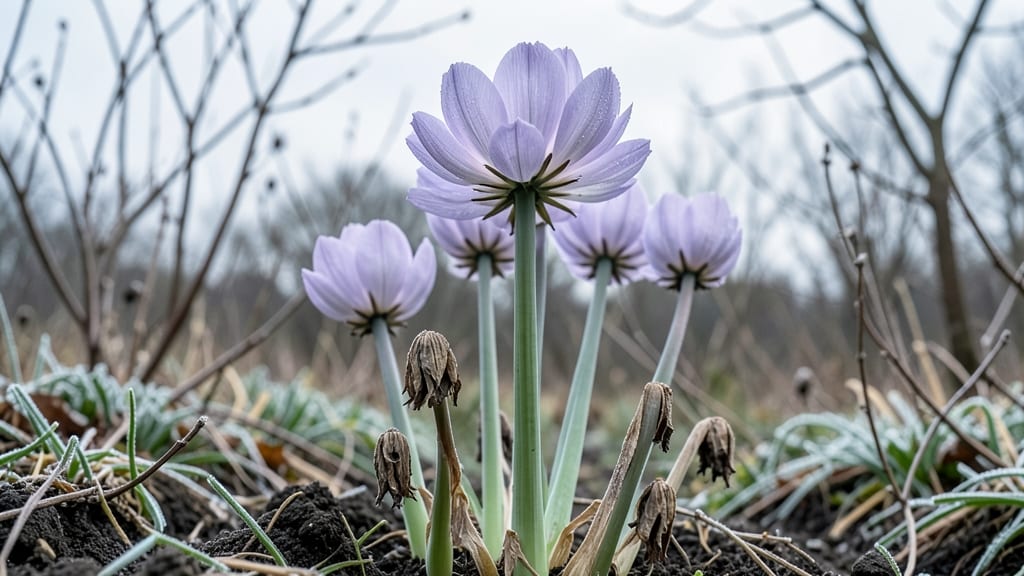
Want to add dramatic height and structure to your winter garden without fuss? Allium bulbs deliver spherical blooms that stand tall (up to 4 feet!) and thrive in conditions where other plants struggle. These architectural wonders bloom late spring to early summer, filling gaps when other flowers have faded.
Plant allium bulbs in well-drained soil with full sun exposure—they tolerate poor soil and even drought once established. Their globular flowers come in shades of purple, white, and pink, and they naturally repel pests like aphids and deer. Perfect for cottage gardens, pollinator-friendly spaces, or as striking cut flowers.
These bulbs are especially great for beginner gardeners or those with challenging sites, as they require minimal care and deliver maximum visual impact. 🌟
Snowdrop Bulbs for Winter Blooms
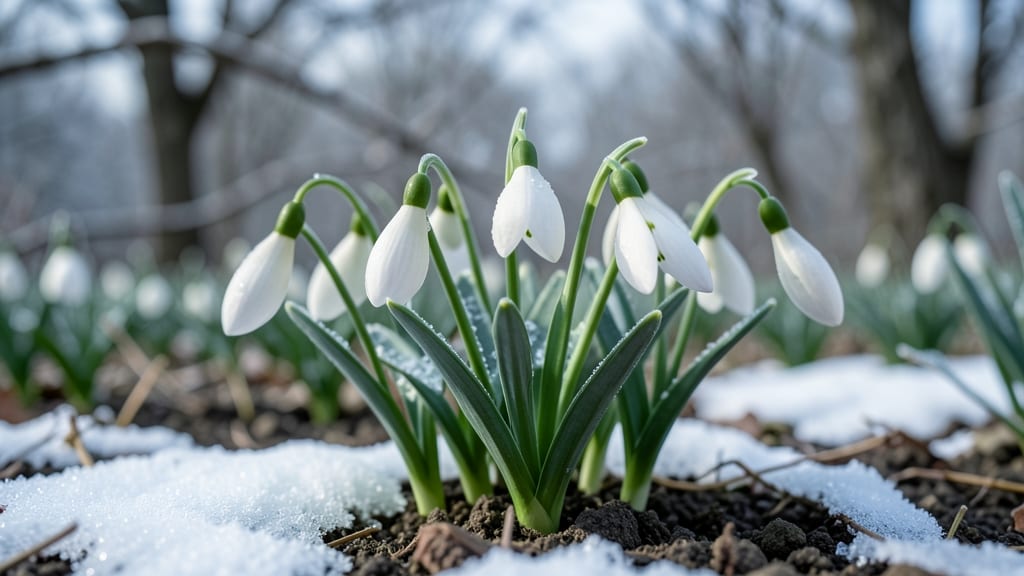
When you crave a touch of magic in your garden even when winter refuses to let go, snowdrop bulbs are your secret weapon. These hardy little flowers push through snow and ice to deliver delicate white blooms that symbolize hope and renewal—often appearing as early as January in milder climates.
Plant them in shaded woodland areas or under trees where they’ll thrive with minimal care. Snowdrops prefer moist, well-drained soil and naturalize beautifully over time, creating lush drifts of early spring color. Their low-growing habit makes them perfect for borders, containers, or even as a ground cover under shrubs.
Perfect for gardeners who love low-maintenance plants with high impact, snowdrops bring joy to those who want to see blooms before spring officially arrives. Their resilience and timeless beauty make them a must-have for any winter garden. 🌱
Muscari Bulbs for Blue Garden Accents
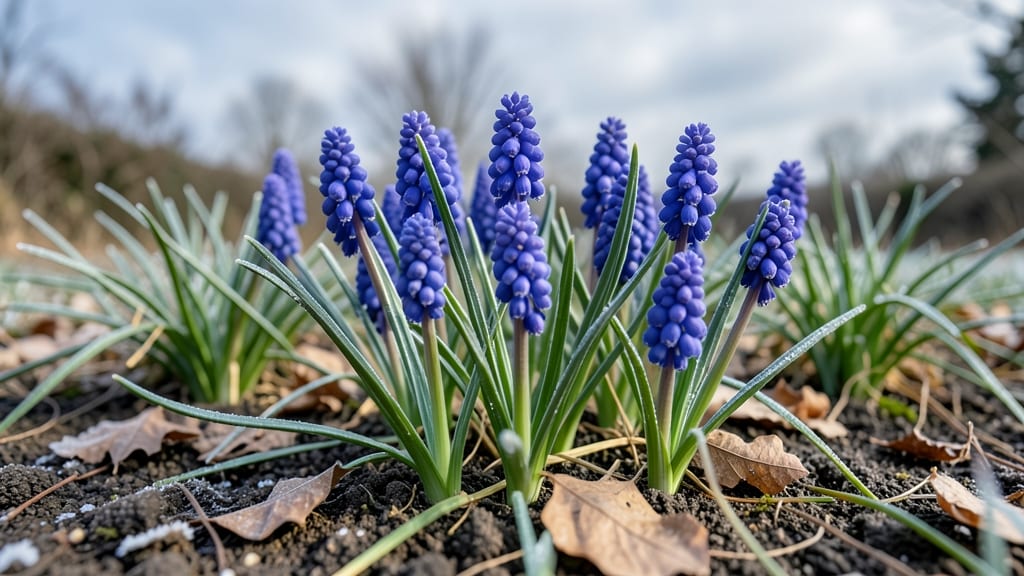
Looking to add a pop of cool blue to your winter garden? Muscari bulbs are your secret weapon—these grape-like blooms thrive in cold climates and bring striking contrast to early spring borders.
Plant them in full sun to partial shade for best results, and don’t worry about watering once established—they’re drought-tolerant once rooted. The bulbs multiply rapidly, creating naturalized drifts over time. For a whimsical touch, pair them with purple alliums or delicate snowdrops.
Perfect for beginners and low-maintenance gardeners, muscari bulbs are a must-have for adding color and texture with minimal effort. 💚
Fritillary Bulbs for Checkered Beauty
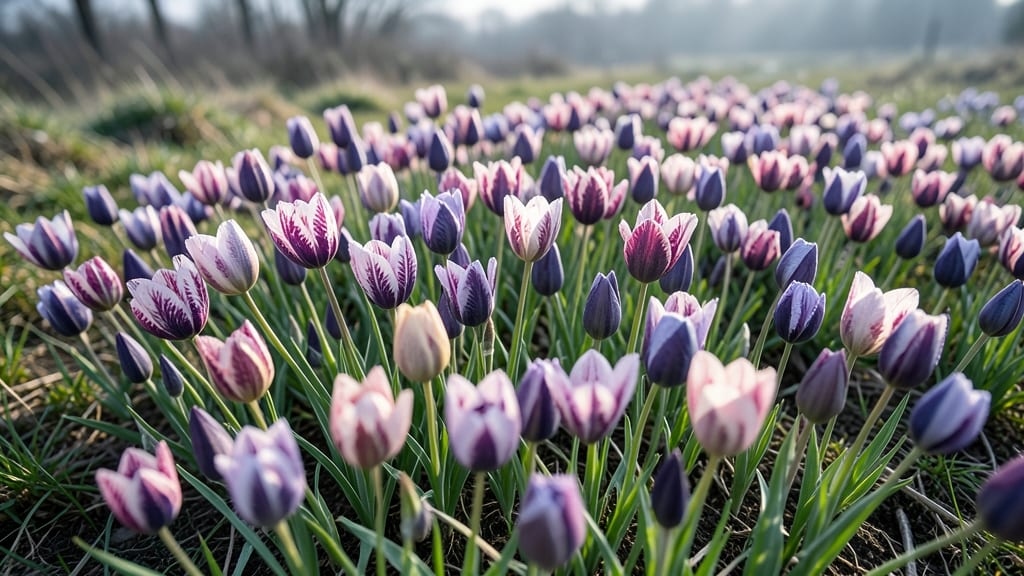
If you're craving a garden that feels like a living watercolor painting, fritillary bulbs are your secret weapon. Their distinctive checkered or striped petals—ranging from soft pink to deep purple—create a whimsical, almost artistic effect that no other bulb can match.
These bulbs thrive in well-drained soil and prefer partial shade, making them perfect for rock gardens, woodland edges, or along garden pathways. Plant them in January for spring blooms that appear like delicate confetti scattered across your landscape. Their nodding flowers also attract pollinators, adding an extra layer of garden magic. 🌷
Bluebell Bulbs for Woodland Gardens
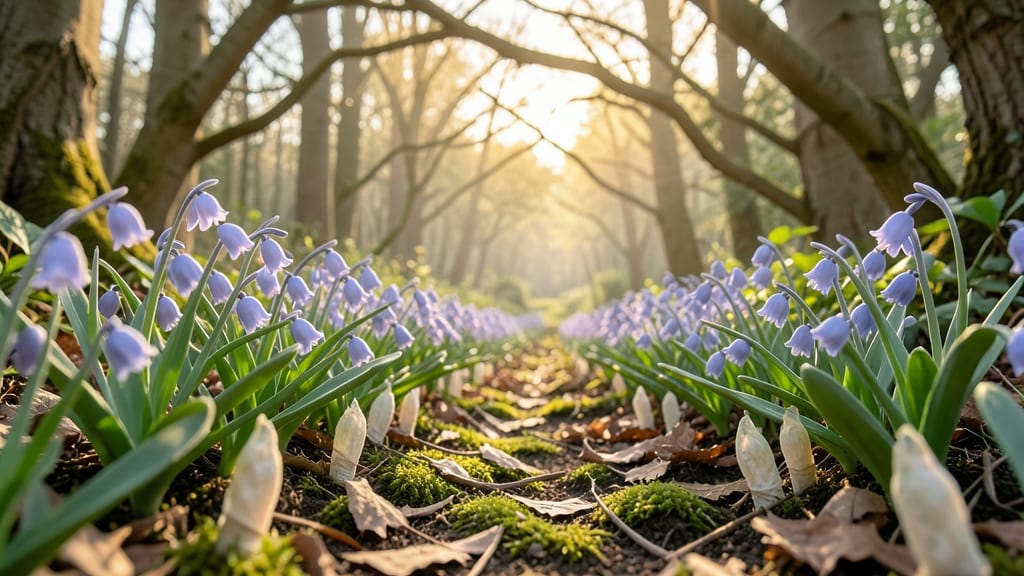
Transform your shaded garden into a fairy-tale scene with bluebell bulbs, nature's answer to a magical carpet. These woodland natives thrive in dappled light where other bulbs struggle, creating lush blue-green foliage followed by delicate bell-shaped blooms that nod gently in spring breezes.
Plant bluebell bulbs in clusters of 20-30 for maximum impact, spacing them 6-8 inches apart and 4-6 inches deep in well-draining soil. They naturalize effortlessly over time, spreading to create year-round interest—even when not in bloom, their strappy foliage adds texture. These bulbs prefer acidic, humus-rich soil typical of woodland floors, making them ideal for understory plantings near trees or along forest edges.
Perfect for gardeners with shaded spaces who dream of cottage-garden charm, bluebells bring whimsy without demanding full sun. Their late spring blooming time (May-June) fills the gap between early crocus and late tulips, creating a continuous spring display. 🌿
Squirrel Corn Bulbs for Late Season Color

If you're craving late-season color that keeps your garden vibrant long after spring has faded, squirrel corn bulbs are your secret weapon. These underrated beauties produce delicate, star-shaped blooms in soft pinks and whites that appear in late spring and often linger into early summer.
What makes them special is their deer-resistant nature and adaptability—thrive in both full sun and partial shade, making them perfect for tricky garden spots. Plant them 6 inches deep in well-draining soil, and enjoy their airy, grass-like foliage that blends beautifully with perennials. They're also low-maintenance, requiring minimal care once established.
This bulb is ideal for gardeners who want to extend their blooming season without the fuss of annuals. Add them to borders, cottage gardens, or even container plantings for a touch of whimsical charm that lasts. 🌷