
How To
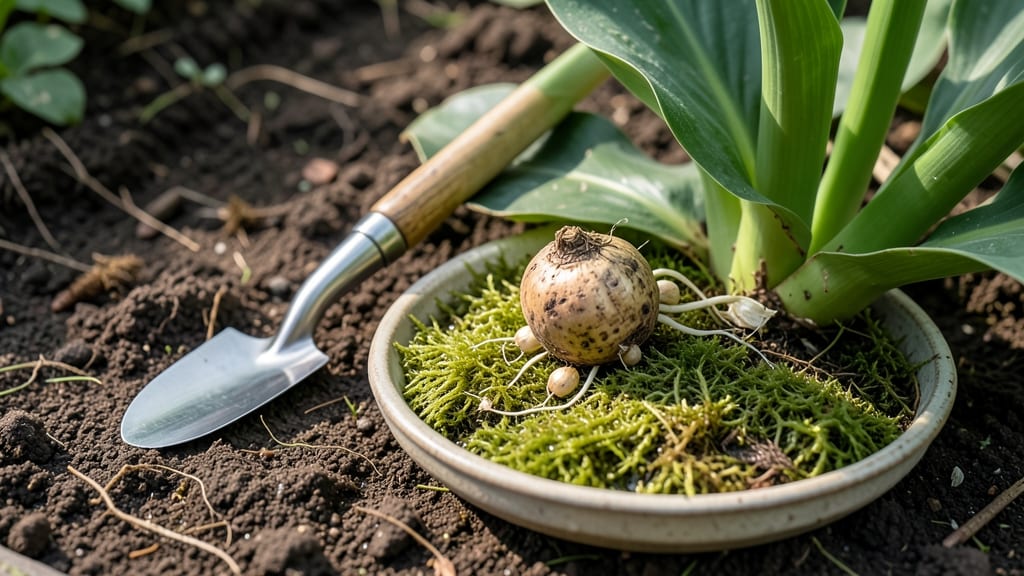
Calla lily bulbs multiply naturally through underground rhizomes and bulb offsets, creating new clusters each growing season. This propagation happens organically when conditions are right, though colder climates slow the process significantly.
Calla lilies spread through two main methods: rhizomes (thick, horizontal stems) and bulb offsets (smaller bulbs forming around the parent). 🌱 The rhizomes grow outward each season, while offsets form at the base of mature bulbs—both ready to separate and replant.
In warmer regions, this can create dense colonies within 2-3 years, while northern gardens may see slower expansion. I've found that dividing established clumps in early spring gives you fresh planting material while rejuvenating the mother plant.
For best results, plant bulbs in well-draining soil with partial shade—too much sun stresses the roots, while deep shade can reduce flowering. Adding compost at planting time gives them a nutrient boost for faster rhizome development.
In containers, use pots at least 12 inches wide to accommodate spreading roots, and refresh the soil mix every few years to prevent nutrient depletion.
💡 In This Article
- How Calla Lily Bulbs Reproduce Underground
- Tips to Encourage Faster Calla Lily Bulb Spread
How calla lily bulbs reproduce underground
Calla lilies reproduce primarily through two underground structures: rhizomes and bulb offsets. The rhizomes are thick, horizontal stems that grow outward from the mother bulb, forming new growth points along their length. These rhizomes contain stored nutrients that fuel both the parent plant and emerging bulblets.
In ideal conditions, a single mature rhizome can produce 3-5 new bulb offsets per season—each capable of becoming an independent plant when separated.
The bulb offsets form at the base of the mother bulb, connected by a small stem. These offsets are essentially miniature versions of the parent bulb, complete with their own root system.
What's fascinating is how these offsets develop: they start as small, firm nodules that gradually swell as they absorb nutrients from the rhizome. By late summer, they're ready to detach, measuring about 1-2 inches in diameter.
The process accelerates in USDA zones 8-10, where warmer temperatures and longer growing seasons create perfect conditions for rapid multiplication.
Seasonal dormancy plays a crucial role in this process. During winter months, especially in colder climates, the rhizomes enter a resting phase where growth halts completely. This dormancy period is essential for storing energy that will fuel next season's expansion.
In my experience, calla lilies planted in well-draining soil with 50-70% shade experience less stress during dormancy, leading to more vigorous rhizome growth when temperatures rise again. Too much sun can cause the rhizomes to dry out, while excessive moisture may lead to rot.
Light levels significantly impact multiplication rates. While calla lilies tolerate partial shade, they need some indirect sunlight to produce energy for rhizome development. I've observed that plants receiving 4-6 hours of morning sun develop thicker rhizomes and more bulb offsets than those in deep shade.
The key is finding that sweet spot where the foliage stays lush but the roots remain cool and moist—similar to their native habitat in South African wetlands. In containers, this balance is even more critical since roots have limited space to regulate temperature.
Moisture levels are equally important. Rhizomes need consistently damp but never soggy soil to grow. Think of it like a sponge that needs to stay moist but not waterlogged—too much water cuts off oxygen, while too little causes the rhizomes to shrivel.
In my garden journal, I've noted that calla lilies in containers benefit from weekly watering during active growth (spring through fall) and complete drought during dormancy. Adding organic matter like compost improves water retention without compacting the soil, creating ideal conditions for rhizome expansion.
What most gardeners don't realize is how the plant's age affects multiplication. Young calla lilies (under 2 years old) focus their energy on establishing roots and foliage, producing few if any offsets.
It's only when the plant reaches maturity—typically after 2-3 growing seasons—that it shifts resources toward rhizome and offset production. This is why patience is key when growing calla lilies from seed or small bulbs.
The first year is all about building a strong foundation, while the real multiplication magic happens in years two and three.