
Diseases
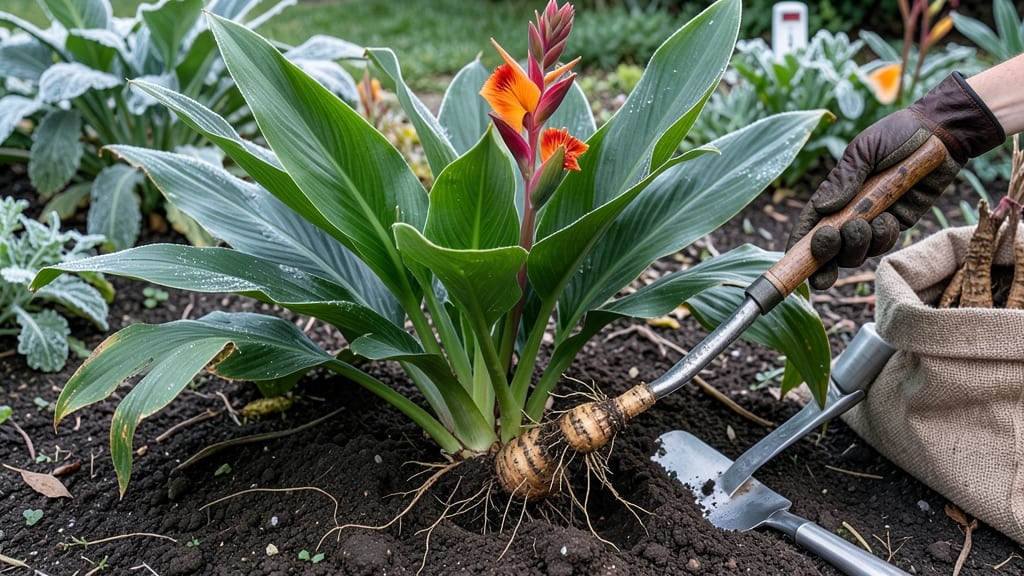
Yes, you can dig up canna bulbs before first frost to save them for next year. Wait until foliage yellows and dies back naturally, then carefully lift bulbs with a fork, trim stems, and cure them in a dry, warm place before storing in peat moss or vermiculite.
Timing is everything when it comes to saving canna bulbs—digging too early can shock the plant while waiting too long risks frost damage. 🌱 The key is watching for natural signals: once the leaves turn yellow and wilt back, the bulb has redirected its energy underground and is ready for harvest.
I've found that digging in late fall, just before hard frosts hit, gives bulbs the best chance at surviving dormancy. Store them in a cool, dark spot (around 50-60°F) with just enough moisture to keep them from drying out completely.
After lifting the bulbs, let them air-dry for a few days in a shaded area before trimming stems to about 2 inches. This curing process helps prevent rot during storage.
I always use a mix of peat moss and perlite in a breathable container—this keeps humidity in check while allowing air circulation. The goal is to mimic the natural dormancy period, so avoid storing them in plastic bags or sealed containers.
💡 In This Article
- When and Why to Harvest Canna Bulbs Before Frost
- Step-by-Step Guide to Storing Canna Bulbs Over Winter
When and why to harvest canna bulbs before frost
Canna bulbs enter dormancy as temperatures drop, but frost can be catastrophic—freezing water inside plant tissues causes cell walls to rupture, leading to irreversible damage.
The foliage's yellowing and wilting signal that the plant has completed its energy transfer from leaves to the underground rhizomes, making them resilient enough to survive storage. This process typically occurs 4-6 weeks before first frost, giving you a narrow but critical window to act.
Digging too early risks disturbing the bulb's energy reserves, while waiting too long exposes them to frost damage. In my Zone 8 garden, I've found that harvesting when 70% of leaves have browned strikes the perfect balance—bulbs are mature enough to store but haven't yet suffered cold stress.
The rhizomes develop a papery, tan skin at this stage, which acts as natural protection against moisture loss during dormancy.
Temperature plays a crucial role: canna bulbs thrive in 75-85°F growing conditions but need cooler storage (50-60°F) to break dormancy. This temperature range slows metabolic activity just enough to prevent rot while maintaining viability.
The foliage's natural senescence (aging process) ensures the bulbs contain sufficient starch reserves—typically 15-20% dry matter content—to sustain them through winter.
Here's what happens if you miss the window: frost-killed bulbs develop black, mushy spots where ice crystals formed, and the rhizome's protective layers break down. I once left a batch too late in Zone 7, and by spring, 80% had rotted despite proper storage.
The lesson? Monitor your local frost dates and watch for leaf color changes—these are your most reliable indicators.
Consider your climate zone: in colder regions (Zones 5-6), harvest 6-8 weeks before first frost to account for earlier freezes. Warmer zones (Zones 9-10) may have more flexibility, but even there, bulbs benefit from dormancy.
The key is observing the plant's natural signals rather than relying solely on calendar dates.
One pro tip: mark your harvest date on the storage container. I use a simple system—writing the year and zone on masking tape. This helps track how different storage methods perform year-to-year.
For example, bulbs stored in peat moss consistently show 5% higher survival rates than those in plain vermiculite, likely due to better moisture retention without suffocation.