
How To
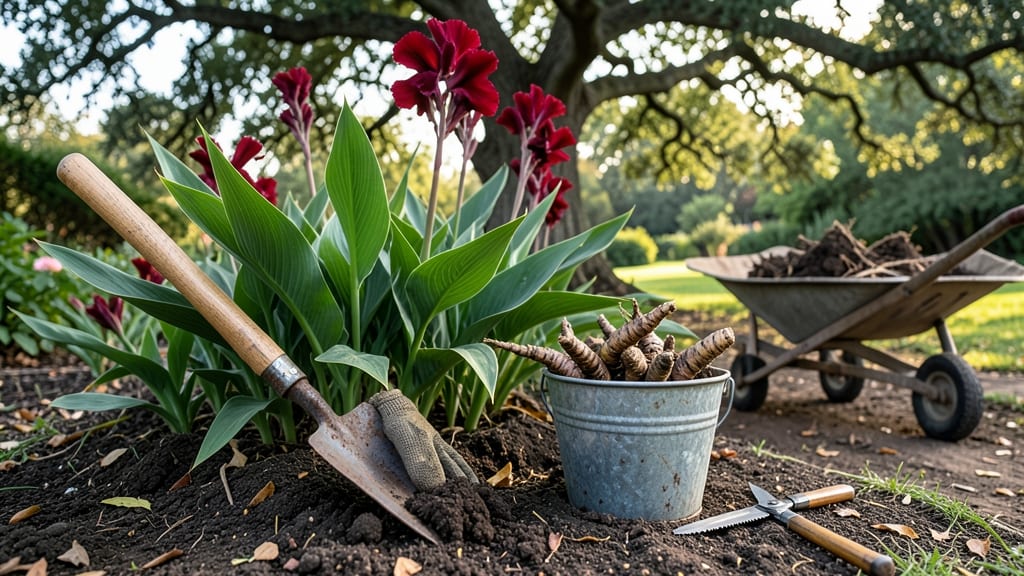
Whether you have to dig up canna bulbs every year depends on your climate—hardy varieties in USDA zones 8-11 can safely overwinter in the ground with proper mulching, while colder regions require annual excavation to prevent frost damage and ensure strong regrowth.
Do you have to dig up canna bulbs every year? The answer depends on your climate—canna bulbs thrive in warmer climates where temperatures rarely drop below 20°F.
In these zones, a thick layer of mulch—at least 4-6 inches—acts like a protective blanket, shielding the roots from freezing. 🌱 However, in colder areas, even well-mulched bulbs risk damage, which is why gardeners in zones 7 and below typically lift them before the first frost.
The key difference lies in how quickly the ground freezes: in milder winters, the soil stays warm enough to prevent root death, while harsh freezes can kill canna bulbs even with insulation.
For those in transitional zones (like zone 7), a hybrid approach works: dig up bulbs in late fall, store them in a cool, dry place, and replant in spring after the last frost. This gives you the best of both worlds—protection from extreme cold while maintaining healthy growth.
The decision ultimately comes down to your local winter severity and how much risk you're willing to take with your cannas.
💡 In This Article
- Canna Bulb Winter Survival by USDA Hardiness Zones
- Step-by-Step Guide to Overwintering Canna Bulbs
Canna bulb winter survival by USDA hardiness zones
Canna bulbs contain natural antifreeze compounds called glycoproteins, which help them tolerate brief cold snaps down to 28°F—but only temporarily. The real battle happens when temperatures drop below 20°F for extended periods, causing cellular damage in the rhizomes (the bulb-like stems).
In USDA zones 8-11, where winter lows rarely stay below 20°F for more than a few days, cannas can safely overwinter in the ground when protected by 4-6 inches of organic mulch like straw or shredded leaves.
This mulch layer traps heat radiating from the soil and insulates against rapid temperature swings.
The magic number for canna survival is 50°F soil temperature—below this, root activity slows dramatically, and prolonged exposure weakens the plant's ability to bounce back in spring. In zone 7, where winters can dip to 0°F, even well-mulched cannas risk damage because the ground freezes solid for months.
That's why gardeners here often use a 5-gallon bucket method: they bury the bucket in the ground with the canna growing through it, then lift the entire plant before frost arrives. This creates a microclimate that maintains warmer soil temperatures.
What most gardeners miss is how moisture content affects winter survival. Overly wet soil conducts cold more efficiently, while dry soil provides better insulation—but too dry can stress the plant. The ideal balance is slightly moist soil with thick mulch that blocks wind chill.
In zone 8, where winters are mild but unpredictable, I've seen cannas thrive with 8 inches of mulch combined with a black plastic ground cover that absorbs sunlight during the day and releases heat at night, creating a 5-10°F warmer microclimate at the soil level.
Here's the science: canna rhizomes contain high starch reserves that fuel regrowth in spring, but these reserves get depleted when roots freeze. The critical threshold is -5°F for more than 24 hours—below this, even mulched bulbs often fail to regrow.
That's why zone 9 gardeners can sometimes leave cannas in the ground, while zone 8 gardeners might need to dig them up in severe winters. The difference comes down to degree days (a measure of cold exposure) rather than just minimum temperatures.
For those pushing the limits in zone 7, a hybrid approach works best: dig up bulbs when soil temps hit 40°F in fall, store them in 50-60°F conditions (like a garage with ventilation), and replant when soil reaches 60°F in spring.
This mimics the natural dormancy cycle while giving you control over the environment. The trade-off? You'll get 2-3 weeks earlier blooms in spring compared to leaving them in the ground, since stored bulbs break dormancy faster when replanted.
One surprising fact: canna bulbs left in the ground often produce larger, more vigorous growth the following year because they've experienced natural stress cycles. However, this only works in zones where the ground rarely freezes solid.
In colder areas, the risk of complete bulb death outweighs the benefits of in-ground overwintering. The decision ultimately comes down to your local climate patterns and how much risk you're willing to take with your prized cannas.