
How To
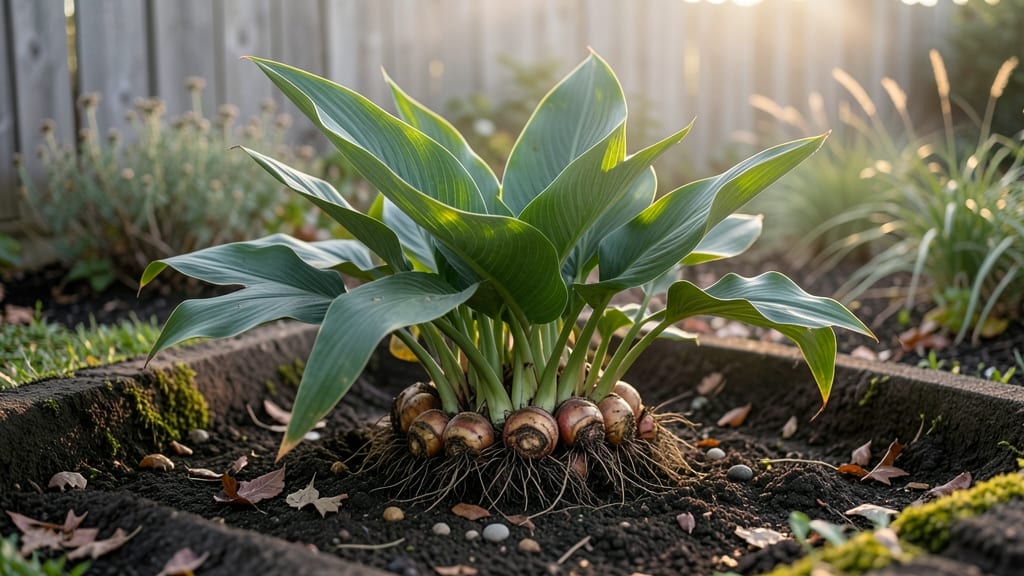
Digging up canna bulbs before the first frost is the key to saving them for next year’s vibrant 🌺 blooms—miss that window, and you risk losing your prized tubers.
Picture this: you’ve spent all summer admiring your cannas’ bold foliage, only to watch them wither overnight when frost hits. That’s why timing matters—digging too early can stress the tubers, while waiting too long risks rot or damage from freezing soil.
In USDA Zone 6a and colder, aim to dig up your cannas between late September and mid-October, just as the leaves start yellowing. This gives the tubers enough time to harden off but still avoids the first hard frost.
Below, I’ll walk you through the exact signs to watch for, step-by-step digging instructions, and how to store your bulbs so they’re ready to burst back to life in spring.
The exact timeline for digging up canna bulbs before frost
Timing is everything when it comes to digging up canna bulbs—get it wrong, and you risk losing your prized tropical plants to frost damage or tuber rot. Since cannas thrive in USDA zones 7-11 but can't survive freezing temperatures, knowing the exact window to harvest is crucial.
The goal? Dig when tubers are fully mature but before the first ground frost hits.
Most gardeners in northern climates (zones 7-9) should start monitoring their cannas in late September, while those in warmer zones (10-11) can wait until mid-November. The key trigger isn’t the calendar date but the plant’s natural signals—like yellowing foliage and dormancy signs.
Let’s break down the precise timeline based on your region.
⚠️ NON-NEGOTIABLE: Never dig up cannas when leaves are still green and lush—this means the tubers aren’t fully stored their energy for dormancy. Wait until 90% of foliage has died back but before hard frost blackens the soil.
| USDA Zone | First Frost Date | Ideal Digging Window | Signs to Watch For | Storage Prep |
|---|---|---|---|---|
| Zones 7-8 (e.g., Atlanta, Philadelphia) | Mid-October to early November | Late September to mid-October | Leaves yellow 75%, no new growth for 2+ weeks | Cure tubers 2-3 days in shade |
| Zones 9-10 (e.g., Orlando, San Diego) | Late November to December | Mid-October to early November | Foliage collapses, tubers feel firm when pressed | Trim roots, store in dry peat moss |
| Zone 11 (e.g., Miami, Honolulu) | Rare frost or none | November to December (or leave in ground) | Natural die-back after summer rains stop | Minimal prep; mulch heavily instead |
If you’re in zone 7 or colder, consider treating cannas as annuals—they rarely survive winter outdoors. For zones 8-9, dig 2-3 weeks before your average first frost date to give tubers time to harden off.
Use your local frost calendar (check the National Weather Service) for precise dates.
Pro tip: Mark your canna beds in early summer so you don’t accidentally dig up perennials or vegetable plants by mistake. I use colorful flagging tape tied to stakes—it’s a lifesaver when foliage dies back and beds look identical.
For container-grown cannas, the timeline shifts slightly. Since pots warm up faster in fall, monitor for leaf yellowing starting in early October (zones 7-9). Dig when tubers feel woody and firm—like a small potato—not soft or shriveled.
One common mistake? Waiting until after frost hits. By then, tubers may already be damaged or sprouting mold. I’ve seen gardeners lose entire collections this way—don’t let it be you! If frost sneaks up unexpectedly, cover beds with burlap the night before digging to protect remaining foliage.
After digging, don’t wash tubers—just brush off soil gently. Let them air-dry for 2-3 days in a shady, well-ventilated area (like a garage or shed).
This curing process prevents rot during storage. Store cured tubers in a cool (50-60°F), dry place wrapped in paper towels or peat moss.
Remember: Canna bulbs are not true bulbs but rhizomes—thick, starchy underground stems. Handle them like ginger roots: with care! Plant them again in spring after last frost for next year’s show-stopping blooms. 🌺
Signs your canna bulbs are ready for digging (before it’s too late)
Knowing when to dig up your canna bulbs is crucial for their survival—wait too long, and frost will damage them; dig too early, and they won’t store properly. The key is watching for visual and physical cues that signal the tubers are fully hardened and ready for harvest.
These signs ensure your cannas will thrive next season.
First, observe the foliage. Healthy green leaves mean your cannas are still actively growing, but when the leaves start turning yellow-brown and crisp—often in late September or October—this is your first clue.
The leaves may also wilt or collapse naturally, signaling the plant is shifting into dormancy. This is nature’s way of telling you it’s time to act.
🌰 Key Signs Your Canna Bulbs Are Ready
| Sign | What to Look For |
|---|---|
| 🟡 Leaf Color | Leaves turn yellow-brown and crisp, not just green. |
| 🌰 Tuber Firmness | Rhizomes feel firm and woody when pressed, not soft. |
| ❄️ Growth Slowdown | No new growth for 2-3 weeks and foliage collapses. |
| ⏰ Frost Threat | Dig before first frost (typically late October in most zones). |
⏳ Pro Tip: If you see frost warnings before your cannas show these signs, dig them up preemptively to avoid damage.
Next, check the rhizomes themselves. Gently dig around the base of the plant and feel for the tubers. Ready-to-dig canna bulbs will feel firm and woody, almost like small potatoes.
If they’re still soft or spongy, they need more time in the ground. This firmness indicates the tubers have stored enough energy for dormancy and won’t rot during storage.
Another critical sign is the absence of new growth. If your cannas haven’t produced new leaves or stems for 2-3 weeks, this is a strong indicator that the plant is fully hardened.
Combine this with yellowing foliage, and you’ve got a clear signal that it’s time to harvest. Ignoring this sign could lead to tubers that don’t survive the winter.
Finally, pay attention to your local frost dates. Even if your cannas aren’t showing all the signs above, if frost is forecast within the next 1-2 weeks, it’s safer to dig them up.
Canna bulbs can tolerate light frosts if the ground is dry, but prolonged cold will damage them. In USDA zones 8-10, you might have more time, but zones 7 and below need to act quickly.
Once you’ve confirmed these signs, dig your canna bulbs carefully to avoid damaging the tubers. Store them in a cool, dry place (like a garage or basement) until spring. With these cues, you’ll never miss the perfect time to harvest again! 🌱