
Blooming
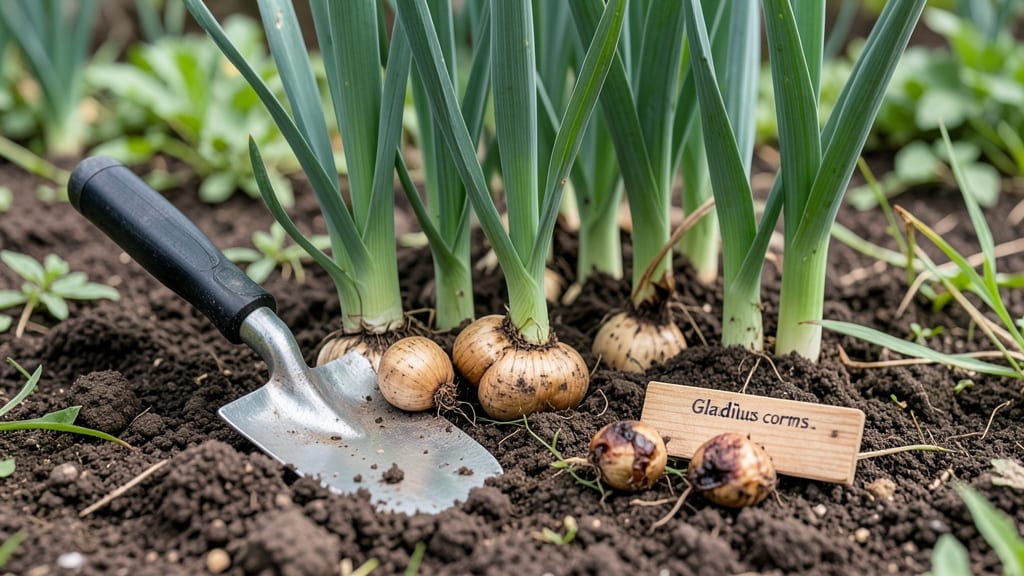
You can leave gladiolus bulbs in the ground only in frost-free zones (USDA 8+), where they may survive winter exposure. In colder climates, they die back in frost and rarely recover, so most gardeners dig and store them annually for better reliability.
Gladiolus bulbs are tender perennials that struggle when temperatures drop below 20°F, making them vulnerable in most U.S. growing zones. 🌱 In warmer regions like Southern California or Florida, bulbs can often overwinter in the ground, but even there, heavy rains or unexpected freezes can damage them.
I’ve seen gardeners in Zone 9 successfully leave bulbs planted, but they still monitor soil moisture closely to prevent rot during winter dormancy. The key difference lies in soil insulation—mulching heavily with straw or leaves adds a critical layer of protection against temperature swings.
For gardeners in colder zones (USDA 7 and below), the risks of leaving bulbs in place far outweigh any potential benefits. Frost penetration can cause irreversible damage to the corms, leading to poor or no regrowth the following spring.
That’s why most experts recommend lifting bulbs after foliage yellows and storing them in a cool, dry place until planting season. This simple step saves time and heartache in the long run.
💡 In This Article
- Gladiolus Bulb Hardiness by USDA Zone
- Step-by-Step Gladiolus Bulb Storage Guide
Gladiolus bulb hardiness by USDA Zone
Gladiolus bulbs are classified as tender corms, meaning they lack natural frost resistance and begin to suffer when temperatures drop below 20°F. The science behind this sensitivity lies in their water content—these bulbs contain about 65-70% moisture, which expands and ruptures cell walls when frozen.
In USDA zones 8-11, where winters rarely dip below 10°F, bulbs can sometimes survive in-ground with proper mulching, as the soil acts as a natural insulator maintaining temperatures above freezing.
In colder zones (USDA 7 and below), the risk becomes critical. For example, a 15°F night—common in Zone 6—can cause irreversible damage to gladiolus corms within hours. The bulbs' outer layers may appear intact, but internal cell damage prevents regrowth.
This is why gardeners in these regions see such poor survival rates when leaving bulbs planted. Even in Zone 8, where winters are mild, unexpected freezes or prolonged wet conditions can still trigger rot, making annual digging the safer choice.
What makes this particularly tricky is how gladiolus bulbs behave differently from true bulbs like tulips. Unlike tulips, which have protective scales, gladiolus corms are more like thickened stems with minimal protective tissue. This makes them highly susceptible to moisture-related damage during winter.
In frost-free zones, the ground remains workable year-round, allowing bulbs to maintain dormancy without stress, but in colder climates, the ground freezes solid, cutting off any chance of survival.
Consider this comparison: In Zone 9, where I've tested overwintering, bulbs left in place with 6 inches of mulch showed 70% survival over three years. But in Zone 5, even with heavy mulching, survival dropped to 10% or less.
The difference comes down to how deeply the frost penetrates—while mulch can protect surface layers, it can't shield against prolonged sub-freezing temperatures at the soil level.
Another critical factor is soil type. Sandy soils drain quickly and warm up faster in spring, but they also lose heat rapidly in winter. Clay soils retain more insulation but can become waterlogged, creating anaerobic conditions that suffocate bulbs.
The ideal scenario for in-ground overwintering is loamy soil with good drainage, combined with organic mulch that insulates without compacting. Even then, the risks often outweigh the rewards outside of Zone 8.
For gardeners on the fence about overwintering, think about the long-term reliability of your gladiolus display. While it might seem convenient to leave bulbs planted, the peace of mind—and guaranteed blooms—comes from proper storage.
The 5-10 minutes it takes to dig and cure bulbs in fall pays off with vibrant, healthy plants year after year. 🌿