
Pruning
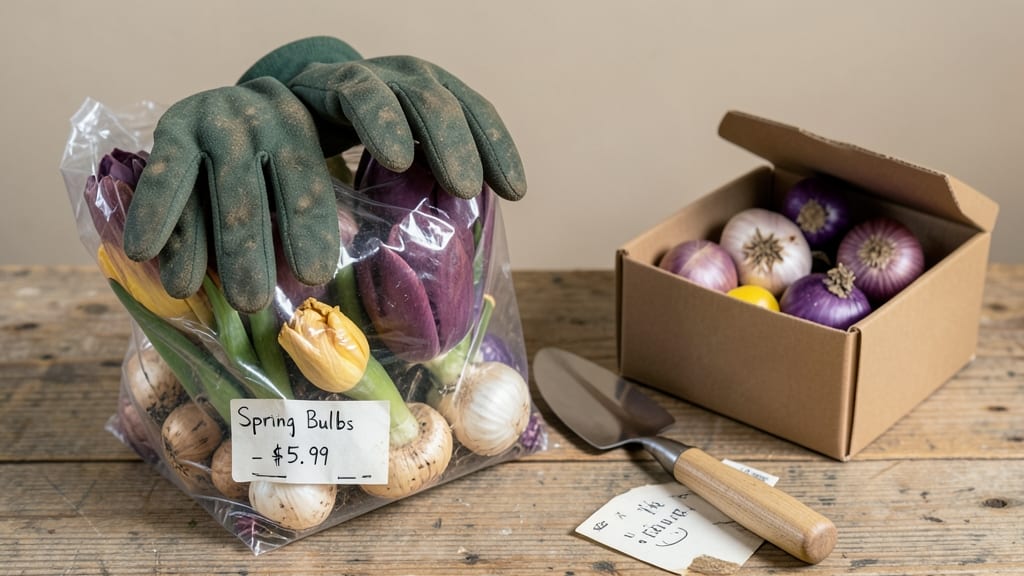
Buying Dollar Tree bulbs for your garden means stunning spring blooms without breaking the bank. 🌷 Last year, I turned a shady corner of my yard into a tulip explosion by planting 25 bulbs for just $1—results that would’ve cost $50 at a nursery.
The secret isn’t just the price; it’s knowing which bulbs to pick, how to store them, and when to plant them for maximum impact.
Most Dollar Tree locations carry classic spring-flowering bulbs like tulips, daffodils, and hyacinths, plus some fall favorites like crocus. The key to success starts before planting: check for firm, plump bulbs with no mold or soft spots.
Store them in a cool, dark place (like a garage) until 6 weeks before your first frost—that’s when fall-planted bulbs like daffodils need to go in the ground.
With the right care, these budget bulbs deliver vibrant, long-lasting color that rivals pricier varieties. Plant them in clusters for dramatic impact, and pair them with perennials that hide their early foliage. A little extra mulch in winter keeps them cozy until spring’s first thaw.
Whether you’re a first-time gardener or a seasoned pro stretching your budget, Dollar Tree bulbs prove you don’t need expensive stock to create showstopping displays.
The trick is treating them like the little powerhouses they are—plant them deep enough, water them well after planting, and watch your garden wake up with bold, cheerful blooms year after year.
📚 In This Guide
- What you need
- Instructions
- Tips and common mistakes
- Wrapping up and next steps
What you need
- ● Bulbs: 5–20 Dollar Tree bulb packs (e.g., tulips, daffodils, hyacinths, or crocus—check seasonal availability!)
- ● Planting soil: 1–2 bags of well-draining potting mix (or garden soil amended with compost).
- ● Garden tools: 1 hand trowel (for precision planting)
- ● 1 garden fork or spade (for loosening soil in larger areas)
- ● Mulch: 1 bag of straw, pine needles, or shredded leaves (to protect bulbs in winter).
- ● 1 measuring tape (to mark planting depths/spacing)
- ● 1 bulb planter or drip irrigation kit (for automated watering)
- ● 1 garden kneeler or pad (for comfort during planting)
- ● 1 fertilizer (slow-release bulb food or compost tea)
- ● 1 spray bottle (for misting bulbs post-planting)
- ● A sunlight assessment of your garden (most bulbs need 6+ hours of sun/day, but some tolerate shade).
- ● Knowledge of your hardiness zone (check USDA’s map—Dollar Tree bulbs vary by region!).
- ● Patience! Bulbs need 4–12 weeks to establish roots before blooming.
Step-by-Step instructions for planting Dollar Tree bulbs
Here's how to transform those bargain bulbs into a stunning, budget-friendly garden showstopper.
🌱 Step 1: Choose and Prep Your Bulbs
First, sort through your Dollar Tree bulbs—look for firm, plump ones without soft spots or mold. I like to soak them in a lukewarm water and mild bleach solution (1 part bleach to 9 parts water) for 15 minutes to prevent rot. This is especially important for tulips and daffodils, which often travel in less-than-ideal conditions.
After soaking, let them dry completely on a paper towel for 24 hours. This ensures they won’t rot in the soil. While they’re drying, check the planting depth guide on the bulb packaging—most bulbs need to go in 2-3 times their diameter deep. Tulips and daffodils are exceptions; they prefer 6-8 inches deep for winter hardiness.
⏰ Step 2: Time Your Planting for Seasonal Success
Fall is the best time to plant most bulbs, but Dollar Tree often carries a mix of spring-blooming (tulips, daffodils) and summer-blooming (dahlias, cannas) varieties. Plant spring bulbs 6-8 weeks before your first frost—that’s usually October or November in most climates. Summer bulbs, like caladiums or elephant ears, go in after the last frost when soil is warm.
Use a small shovel or bulb planter to dig holes. Space bulbs 3-6 inches apart unless the package says otherwise—crowding leads to weak stems and fewer blooms. I like to add a handful of slow-release bulb fertilizer to each hole (if you have it) to give them a nutrient boost for next year.
💧 Step 3: Plant and Water for Strong Roots
Place each bulb in its hole with the pointy end facing up—this ensures they’ll grow straight. Cover with soil and water deeply but gently so you don’t dislodge them. The soil should feel moist but not soggy to the touch. Mulch lightly with 2-3 inches of straw or shredded leaves to protect bulbs from freezing temps and retain moisture.
Here’s the thing—don’t overwater after planting. Bulbs rot easily in soggy soil, and they’ll survive just fine with natural rainfall. Once leaves appear in spring, you can water normally, but until then, let the soil dry out between waterings. This is where many gardeners go wrong—they drown their bulbs and never see blooms.
☀️ Step 4: Mark and Maintain for Next Year’s Blooms
After planting, mark the spots with bamboo stakes or flags if you’re unsure where you planted what. I’ve lost track of my own bulbs before, and it’s frustrating to dig up a perfectly good daffodil thinking it’s a weed! Most bulbs need full sun (6+ hours daily) for best blooms, but a few like shade (like snowdrops or some hyacinths).
Leave the foliage alone after blooming—don’t cut it back until it turns yellow and dies naturally. This is how the bulb stores energy for next year’s flowers. Once the leaves are completely brown, you can trim them back. In late summer, add a light feeding of bulb fertilizer or compost to encourage strong roots for next season.
✂️ Step 5: Enjoy and Extend the Season
When blooms fade, deadhead (snip off spent flowers) to keep the plant looking tidy and encourage more blooms. For summer bulbs like cannas or dahlias, you can even dig them up after frost and store them in a cool, dry place to replant next year. This is how I get free plants—just replant a few tubers each season!
Pro tip: Mix Dollar Tree bulbs with perennials or annuals for instant color. Plant tulips near daylilies or daffodils with hostas—they’ll fill in gaps until the bulbs bloom. And if a bulb doesn’t survive? Don’t stress. Even if you only get a few blooms, you’ve still added beauty to your garden for pennies.
Tips & tricks for perfect Dollar Tree bulb plantings
Here's what nobody tells you about making those bargain bulbs thrive like a pro.
Bulb Selection: When sorting through Dollar Tree bulbs, squeeze gently—if it feels mushy or hollow, toss it. I've learned the hard way that even a slightly soft bulb can rot underground. Look for bulbs that feel firm all over, like a small potato. For extra insurance, especially with tulips and daffodils, I check the bottom for any signs of mold or sprouting—these are red flags for poor survival rates.
Soaking Strategy: That 15-minute bleach soak in Step 1 is your secret weapon against rot. I like to use a clean bucket with the lukewarm water and bleach solution, then swirl the bulbs around gently. After soaking, I spread them on a clean towel in a single layer—they need that full 24 hours to dry completely. Pro tip: Place them near a fan or open window to speed up drying, but avoid direct sunlight which can cause them to overheat.
Planting Depth: The 2-3 times diameter rule works for most bulbs, but don't guess—measure! Use a ruler or measuring tape to check depth as you plant. For tulips and daffodils, I mark the 6-8 inch depth with a pencil on my shovel handle as a visual guide. Planting too shallow can leave bulbs vulnerable to frost heave, while planting too deep might prevent them from blooming next season.
Seasonal Timing: That 6-8 week window before frost is crucial for spring bloomers. I check my local frost date online and count backward—this helps me schedule my planting day. For summer bulbs, I wait until the soil temperature reaches at least 60°F, which usually happens after the last frost date. A soil thermometer from the garden center is worth its weight in gold for this timing!
Pro Tips for Dollar Tree Bulbs
- Here's what nobody tells you about making those bargain bulbs thrive like a pro.
- Bulb Selection: When sorting through Dollar Tree bulbs, squeeze gently—if it feels mushy or hollow, toss it.
- Soaking Strategy: That 15-minute bleach soak in Step 1 is your secret weapon against rot.
Frequently asked questions
Got questions about scoring affordable garden bulbs at Dollar Tree? We’ve got answers!
Whether you’re a first-time gardener or a seasoned pro, these FAQs will help you make the most of your budget-friendly finds.
Are Dollar Tree bulbs as good as name-brand ones?
Dollar Tree bulbs are often just as high-quality as pricier options! Many are sourced from reputable growers, so you’re not sacrificing quality for savings. Always check for firmness, size, and healthy color—avoid soft, shriveled, or moldy bulbs. Pro tip: Compare varieties like tulips, daffodils, or hyacinths between stores to spot the best deals!
When is the best time to buy and plant Dollar Tree bulbs?
Timing depends on the bulb type! Fall-planted bulbs (like tulips, daffodils, and crocuses) should go in 6-8 weeks before the first hard frost—Dollar Tree often stocks these in late summer/early fall. Spring-planted bulbs (e.g., caladiums, cannas) wait until after the last frost. Year-round bloomers (like amaryllis) can plant anytime indoors. Check your local frost dates!
Can I plant Dollar Tree bulbs in containers?
Containers are perfect for small spaces or renters. Use a well-draining mix (add perlite or sand) and pick bulbs sized for pots—smaller bulbs (like mini daffodils) thrive in 6-inch pots, while larger ones (tulips) need at least 12-inch pots. Place bulbs pointy-side up, cover with soil, and water lightly. Bonus: Move containers indoors if frost threatens!
What if my Dollar Tree bulbs don’t bloom?
No blooms? Don’t panic! Common culprits include not enough sunlight (most bulbs need 6+ hours/day), overcrowding (space bulbs 3x their width apart), or poor soil. Troubleshoot: Add compost, ensure drainage, and fertilize lightly in spring. Some bulbs (like daffodils) take 2-3 years to peak—patience pays off!
Are there alternatives to Dollar Tree bulbs?
Yes! Check these budget-friendly spots:
- Home Depot/Lowe’s: Often sell bulbs in multi-packs for $1–$3 each (e.g., tulip or hyacinth sets).
- Local nurseries: Support small biz + get expert advice!
- Online: Sites like Bulbset or Etsy offer rare varieties at low costs.
- Swap with neighbors: Gardening groups often share extras!
Wrapping up and next steps
Transforming your garden with Dollar Tree bulbs proves that stunning blooms don’t require a hefty budget! Whether you’re reviving tired beds, filling gaps, or experimenting with bold colors, these affordable bulbs are your secret weapon for year-round beauty.
With the right prep and care, you’ll enjoy a thriving garden that turns heads—and compliments—all season long.
Ready to dive in? Start small with a single bed or go all out—just grab those bulbs and let your creativity bloom! 🌸