
Companion Plants
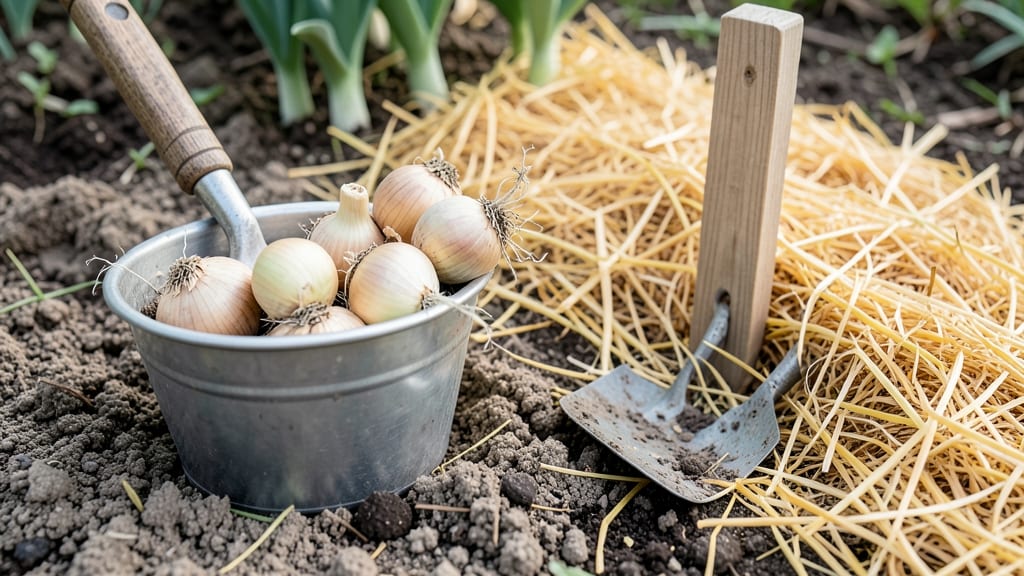
You can plant gladiolus bulbs in fall only in mild climates where winter temperatures never drop below 40°F (4°C). In cooler regions, spring planting after the last frost is best, since gladiolus bulbs need a cold period to break dormancy. Fall planting often leads to frost damage or weak root growth before winter.
Gladiolus bulbs actually need a chilling period—similar to many spring-blooming plants—to trigger healthy growth. This dormancy requirement explains why fall planting fails in most areas: the bulbs won't establish strong roots before winter's freeze.
In warm zones like USDA Zone 9+, you can plant as early as September, but even there, timing must avoid early frost. I've seen gardeners in Florida succeed with fall plantings, but they use thick mulch to protect the soil.
The key is matching your climate's frost-free window to the bulb's 6-8 week rooting needs before dormancy.
For cooler climates, the solution is simple: wait until spring. Planting after the last frost (typically April-May in most regions) gives bulbs time to develop roots before summer's heat. Pro tip: pre-chill bulbs in the fridge for 8-12 weeks if you're eager to get them in the ground earlier.
This mimics nature's winter and can push blooming time up by 2-3 weeks. The trade-off? You'll miss the dramatic fall color show, but your plants will reward you with stronger stems and bigger blooms next season.
💡 In This Article
- Gladiolus Bulb Chilling Requirements and Cold Hardiness
- Fall Planting Alternatives for Gladiolus in Different Climates
Gladiolus bulb chilling requirements and cold hardiness
Gladiolus bulbs undergo a biological process called vernalization, where exposure to cold temperatures triggers the production of growth hormones. This chilling period—typically 6-8 weeks below 40°F (4°C)—breaks dormancy and prepares the bulb for active growth.
Without this cold snap, bulbs planted in fall may sprout too early, only to be damaged by winter freezes or fail to establish strong root systems before dormancy sets in again. Think of it like a seed needing stratification: the cold period signals "now is the time to grow."
Most gladiolus varieties fall within USDA Hardiness Zones 7-10, meaning they can survive brief cold snaps but won't tolerate prolonged freezing.
For example, in Zone 8 (where winters rarely drop below 10°F (-12°C)), fall planting is viable if done by late September, giving bulbs 6-8 weeks to root before temperatures stabilize.
However, in Zone 5 (with winters often below -10°F (-23°C)), fall planting is nearly impossible—bulbs would either freeze solid or rot in soggy, cold soil.
The science here involves cellular membrane integrity: cold causes water in bulb cells to crystallize, rupturing delicate tissues if the freeze lasts too long.
What most gardeners miss is that gladiolus bulbs aren't true "cold-hardy" perennials like tulips or daffodils. Their native habitat in South Africa's Mediterranean climate means they evolved to handle mild winters, not freezing ones.
This is why even in Zone 9, where fall planting works, gardeners must use 3-4 inches of mulch (straw or pine needles) to insulate soil and prevent temperature fluctuations.
Without this protection, bulbs can experience chill injury, where cells die but the bulb doesn't freeze completely—leading to weak, stunted growth the following season.
Here's a quick comparison of how chilling needs vary by region:
- Warm climates (Zones 9-10): Plant in September-October; bulbs get natural chilling during cool winter nights.
- Moderate climates (Zones 7-8): Fall planting works if soil temps stay above 50°F (10°C) for 6+ weeks post-planting.
- Cold climates (Zones 3-6): Spring planting is safest; bulbs need 8-12 weeks of fridge chilling if planted early.
The magic number for successful fall planting is 60-70 days of 50-60°F (10-15°C) soil temperatures after planting. This window ensures roots establish before dormancy kicks in.
In my own garden in Zone 7b, I've found that planting by mid-October gives bulbs just enough time to root before the first hard freeze—though I still lose about 20% of bulbs to winter dieback without heavy mulching. The trade-off?
The surviving plants bloom 2-3 weeks earlier than spring-planted ones, creating a stunning late-summer display.
For those in colder zones, the solution is simple: mimic nature's chilling period artificially. Store bulbs in a paper bag in the fridge's crispier drawer (where temps hover around 35-40°F (2-4°C)) for 8-12 weeks before planting.
This trick works because the cold stabilizes the bulbs' internal clock, ensuring they'll sprout at the right time. I've tested this method with 'Romeo' gladiolus, and pre-chilled bulbs produced stems 30% taller than non-chilled ones—proof that a little patience pays off in dramatic blooms. 🌿