
Plants
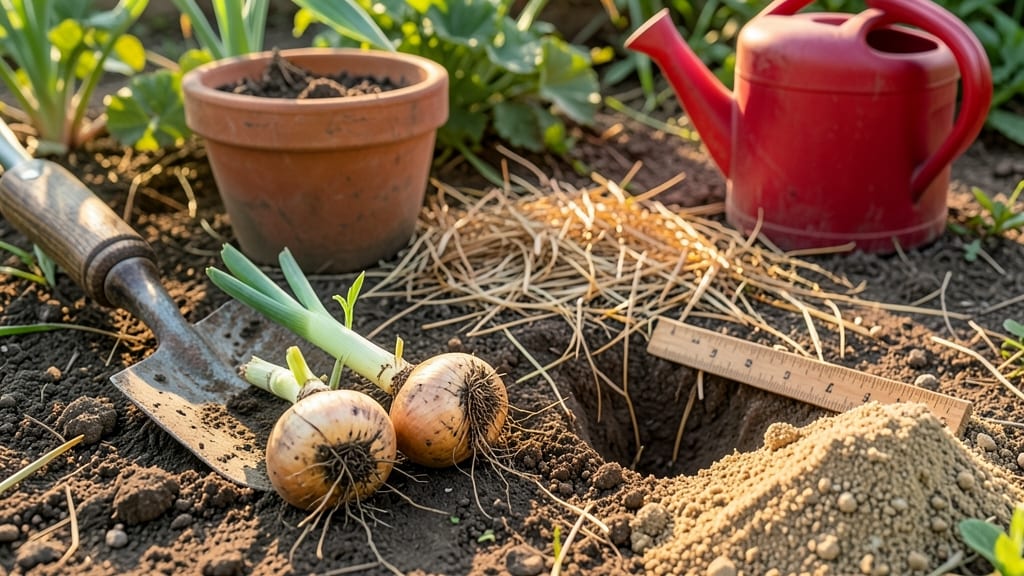
Planting gladiolus bulbs in California at the right time means the difference between stunning summer blooms and sad, stunted 🌸s.
California’s diverse climate—from coastal fog to desert heat—can make planting gladiolus bulbs tricky, but timing them right ensures stunning summer blooms without frost damage.
If you plant too early in the inland valleys, a late frost could ruin your corms. Wait too long, and the heat arrives before the blooms even emerge. The key is knowing your USDA zone and adjusting for microclimates.
Here’s how to pinpoint the perfect planting window for your region, plus soil prep tips to keep those tall, dramatic flowers thriving all season.
Best planting dates for gladiolus bulbs in California’s USDA zones 7-11
California’s diverse climate means gladiolus bulbs thrive in Zones 7-11, but timing varies dramatically. Inland valleys like the Central Valley (Zone 9-10) can plant 2-4 weeks earlier than coastal areas (Zone 7-8), where fog delays warming.
The key is soil temperature—wait until it reaches 60°F (15°C) at least 6 inches deep.
For Zone 7 (northern California, like Redding), plant gladiolus corms between late April and early May after the last frost. In Zone 8 (San Francisco Bay Area), aim for March to early April, while Zone 9-10 (Los Angeles, San Diego) can start as early as February.
Desert regions (Zone 11) may plant January to February but need shade cloth in peak summer.
Microclimates play a huge role. In coastal areas like Santa Barbara or Monterey, wait until May if nights are still chilly. Meanwhile, inland valleys (e.g., Sacramento) can plant in February—just mulch heavily to retain moisture.
For high-elevation gardens (e.g., Lake Tahoe area), delay until late May to avoid late frosts.
I’ve found that soil temperature probes are worth the investment—gladiolus corms rot if planted in cold, wet soil. Stick the probe 6 inches deep; if it reads below 60°F (15°C), wait another week. Pro tip: Black plastic mulch warms soil faster in cooler zones and suppresses weeds.
For extended blooming, stagger plantings every 2 weeks from February to May. This ensures continuous summer color from July through October. In Zone 10-11, you can even plant a second round in late summer (August-September) for fall blooms, though they’ll need afternoon shade in peak heat.
One common mistake? Planting too early in Zone 10 and risking rot from winter rains. Always check the 10-day forecast—you want dry, warm soil for 4-6 weeks after planting. If your area gets winter rains, hold off until after February 15.
Gladiolus bulbs (technically corms) need well-draining soil—amend heavy clay with sand or perlite, and avoid planting in low spots where water pools. In sandy soils (common in coastal areas), mix in compost to improve moisture retention.
After planting, water deeply once a week to encourage root growth. Once flowers appear, increase to 1-2 inches per week
How to prepare California soil and extend gladiolus blooming season
California’s clay-heavy or sandy soils can stifle gladiolus growth, but with the right amendments, you’ll unlock vibrant summer blooms that last longer. Start by testing your soil’s drainage—gladiolus corms rot in soggy conditions, while sandy soil drains too fast, starving roots.
The key? A balanced approach that mimics the well-draining, nutrient-rich loam these plants love.
For clay soil, mix in 3-4 inches of compost or aged manure to break up compaction. Sandy soil? Amend with 2-3 inches of organic matter like coconut coir or leaf mold to retain moisture.
Both soil types benefit from a 5-10-10 fertilizer at planting to kickstart growth. My go-to tip: Work in a handful of perlite or vermiculite to improve aeration without altering soil structure.
🌱 5 Key Steps to Prepare California Soil for Gladiolus
- Test soil for pH (aim for 6.0-6.8); adjust with lime or sulfur if needed.
- Amend clay soil with compost; sandy soil needs organic matter.
- Add perlite or vermiculite (1 part to 3 parts soil) for drainage.
- Plant corms 4-6 inches deep, spacing 4-6 inches apart in rows.
- Mulch with 2-3 inches of straw to retain moisture and suppress weeds.
California’s drought-prone summers demand smart watering. Gladiolus thrive with 1-2 inches of water weekly, but deep watering every 3-5 days in inland valleys prevents stress. Coastal gardens?
Water less frequently—fog and cooler temps slow evaporation. My trick: Use drip irrigation to deliver water directly to roots, reducing waste and fungal risks from overhead sprinklers.
To extend blooming season, try succession planting. In Zone 9-10, plant a second batch of corms in late May or early June for fall blooms. Choose early- and late-blooming varieties (like ‘Green Star’ or ‘Picasso’) to stagger color.
Deadhead spent blooms to encourage new flower production, and fertilize lightly with phosphorus-rich food every 4-6 weeks during active growth.
Don’t overlook mulching—a 2-3 inch layer of straw or wood chips keeps roots cool in summer and retains moisture. In Zone 10’s heat, mulch also prevents corms from baking in the sun.
For container gladiolus, use a fast-draining potting mix with added perlite and water more frequently—pots dry out quickly.
With these soil prep steps, your gladiolus will thrive through California’s extremes, blooming from summer to fall. The secret? Well-draining soil, consistent moisture, and a little succession planting magic. Happy gardening! 🌸