
Planting
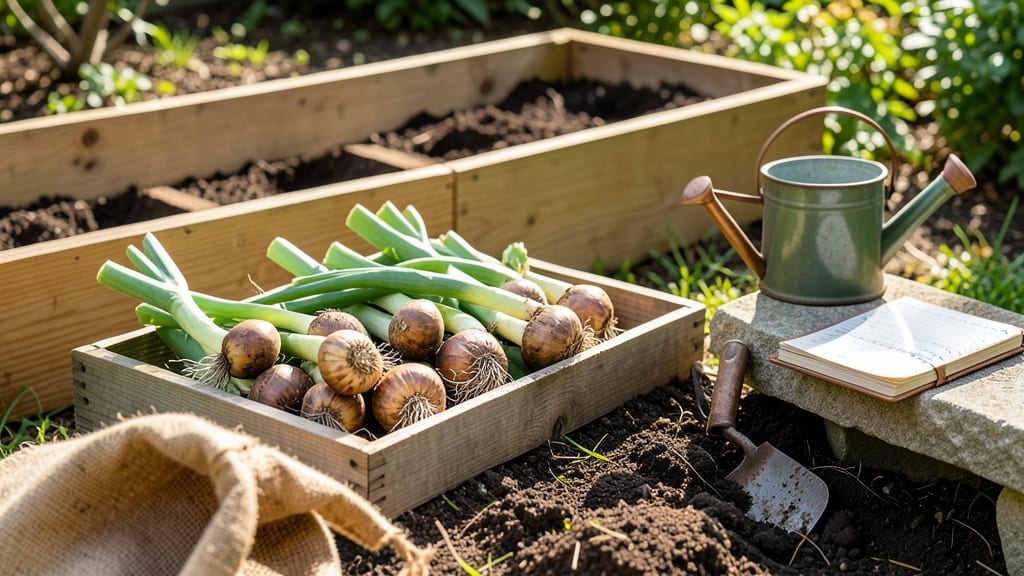
Planting gladiolus bulbs in Zone 5 after the last frost ensures vibrant 🌸 blooms and strong stems, but timing is everything.
Timing is everything when planting gladiolus bulbs in Zone 5—get it wrong, and you risk frost damage or weak blooms. But with the right frost-free soil checklist, you can ensure vibrant summer flowers that steal the show.
In Zone 5, gladiolus bulbs thrive when planted in mid to late spring, typically after May 15, once the soil temperature consistently stays above 55°F. This timing gives the bulbs enough warmth to root before summer’s peak heat arrives.
Below, I’ll walk you through the exact planting window, soil prep steps, and how to adjust for your local microclimate—so you can grow gladiolus that stands tall and blooms boldly all season.
Optimal gladiolus planting dates in Zone 5 based on last frost timing
Gladiolus bulbs thrive in Zone 5, but their planting window is narrow—just 6-8 weeks after your last frost date. The average last frost in Zone 5 falls around May 15, but microclimates can shift this by 2-3 weeks.
Planting too early risks frost damage, while waiting too long delays blooms until late summer. I’ve found the sweet spot is mid-May for most Zone 5 gardens.
Your local frost-free date isn’t just about the calendar—it’s about soil temperature. Gladiolus bulbs need 55°F+ soil to sprout reliably. Use a soil thermometer to confirm readiness, especially in cooler microclimates like low-lying areas or north-facing beds. I always test mine in the morning for the most accurate reading.
For early blooms, aim to plant by May 15—this gives your gladiolus 120+ days to mature before frost. I’ve seen varieties like 'White Prosperity' bloom as early as July 4 when planted in mid-May.
Late plantings after June 15 will push blooms to August-September, which works if you prefer fall color but means fewer cut flowers for summer arrangements.
Zone 5’s frost-free window is typically 165 days, but this varies by location. Check your local USDA Plant Hardiness Zone Map for precise dates. For example, Chicago averages a last frost of May 10, while Denver sees it around May 20.
I always cross-reference with my local Cooperative Extension Service for hyper-local data.
If you’re unsure about your exact last frost date, use the 50°F soil temperature rule as a backup. Gladiolus bulbs won’t sprout until soil reaches 55°F, but 50°F is a safer lower bound for cold-sensitive varieties.
I keep a soil thermometer handy and plant only when both the air and soil meet these thresholds.
Don’t forget about microclimates—your garden’s sun exposure and wind patterns can shift planting by 1-2 weeks. South-facing beds warm up faster, while north slopes may need a 2-week delay.
I’ve had success planting heat-loving varieties like 'Black Star' in south-facing beds by May 1, while sticking to May 22 for north-facing areas.
For container gardening in Zone 5, plant 2 weeks later than in-ground plantings. Pots cool faster and are more vulnerable to temperature swings. I use black plastic pots to absorb heat and plant mine around May 29 for consistent results. Always place containers in protected spots away from wind.
Pro tip: If you’re extending your season, consider using frost blankets for early plantings. I’ve covered my gladiolus beds with frost cloth until May 10 to give them a head start, then removed it once soil warmed.
This can shave 1-2 weeks off your planting timeline without risking frost damage.
Remember, gladiolus bulbs are not perennial in Zone 5—they die back after frost. Plant them as annuals each spring for the best results. I’ve found that dividing and replanting bulbs every 2-3 years keeps them vigorous and ensures stronger blooms each season.
How to prepare Zone 5 soil for gladiolus bulbs before planting
Gladiolus bulbs thrive in Zone 5 when planted in well-prepared soil that mimics their natural Mediterranean habitat. The key to vibrant blooms lies in drainage, pH balance, and nutrient-rich conditions—all critical for preventing rot and encouraging strong root growth.
Since Zone 5 gardens often face late spring frosts, proper soil prep acts as your first line of defense against temperature fluctuations.
Start by testing your soil's pH level—gladiolus bulbs prefer a slightly acidic to neutral range of 6.0 to 6.8. If your soil tests outside this range, amend it with lime (to raise pH) or sulfur (to lower pH) before planting.
This adjustment ensures bulbs can access essential nutrients like phosphorus and potassium, which fuel their dramatic summer blooms.
- 🔹 Test Soil pH: Use a digital pH meter or soil test kit to confirm your soil's acidity. Aim for 6.0-6.8—gladiolus bulbs struggle in alkaline conditions.
- 🔹 Amend with Compost: Mix in 3-4 inches of aged compost or well-rotted manure to improve drainage and nutrient density. Work it into the top 12 inches of soil.
- 🔹 Add Organic Matter: Incorporate perlite or coarse sand (1 part to 3 parts soil) if your garden soil is clay-heavy. This prevents waterlogging, which causes bulb rot.
- 🔹 Loosen the Soil: Use a garden fork to break up compacted areas, creating 6-inch-deep holes for bulbs. This mimics their natural well-aerated growing conditions.
- 🔹 Mulch for Frost Protection: Apply a 2-3 inch layer of straw or shredded leaves after planting. This insulates bulbs from late frosts while retaining moisture.
- 🔹 Fertilize Lightly: Sprinkle 5-10-10 fertilizer (1 tbsp per bulb) into the planting hole. Avoid high-nitrogen blends, which promote foliage over blooms.
Gladiolus bulbs despise waterlogged soil, so prioritize drainage by avoiding low-lying areas or spots where water pools after rain. If your garden has poor drainage, consider planting bulbs in raised beds or mounded soil.
This simple adjustment can mean the difference between rotten bulbs and show-stopping spikes of color.
After amending your soil, conduct a quick drainage test: Dig a 6-inch-deep hole, fill it with water, and time how long it takes to drain. If water lingers for more than 2 hours, mix in additional sand or perlite to improve airflow.
Well-drained soil also reduces the risk of fungal diseases, which are common in Zone 5’s humid summers.
Finally, protect your newly planted bulbs from late spring frosts (common in Zone 5 until mid-May) by covering them with frost cloth or a lightweight row cover during chilly nights.
Remove the cover once daytime temperatures consistently stay above 55°F—this threshold signals it’s safe for bulbs to sprout without frost damage.
With these steps, your Zone 5 soil will be primed to nurture healthy gladiolus bulbs that burst into vibrant summer blooms. The secret? Preparation—because great glads start below the soil line. 🌸