
Plants
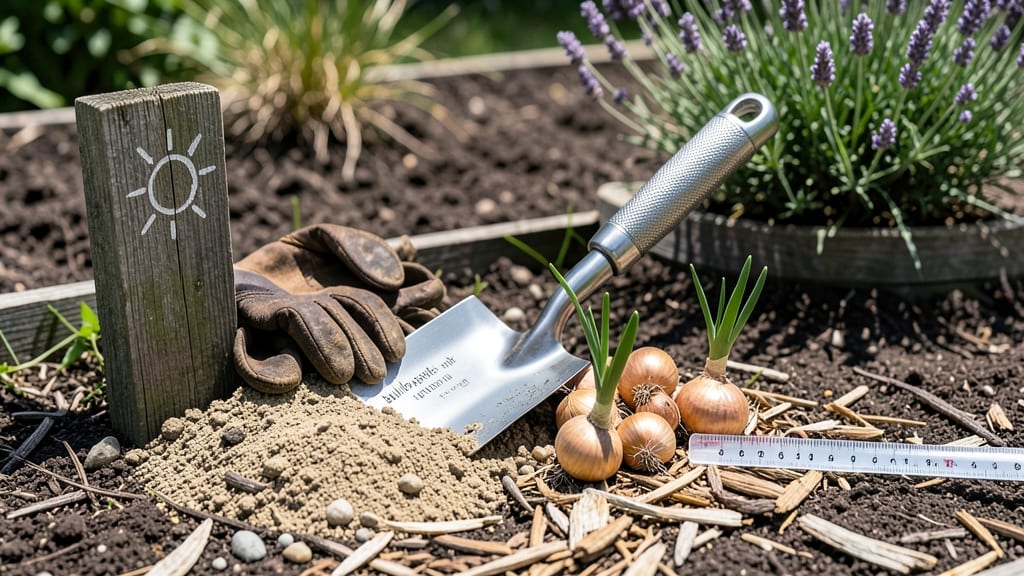
Planting gladiolus bulbs in Zone 7 at the right time ensures those stunning 🌸 summer blooms you’ve been dreaming of—because timing is everything.
Too early, and your bulbs rot in cold, damp soil; too late, and you’ll miss the peak bloom season from June through fall. I’ve seen gardeners rush it and end up with floppy stems or no flowers at all.
In Zone 7 (7a-7b), the ideal window is late April to early May, about 4-6 weeks after your last frost date (usually around April 15). But there’s more to it than just the calendar—soil temperature, bulb prep, and even your region’s microclimate play a role.
Below, I’ll walk you through the exact week-by-week timeline, bulb chilling tips, and post-planting care to guarantee healthy, vibrant gladiolus that steal the show all summer long.
Zone 7 gladiolus planting timeline: exact weeks for summer blooms
Gladiolus bulbs thrive in Zone 7 when planted at the right time—too early and they rot, too late and you miss summer’s showstopping blooms. My exact week-by-week schedule ensures vibrant flowers from June through fall, tailored for both North Carolina’s cooler springs and Southern California’s extended growing seasons.
Let’s dive into the precise timing that works for your region.
First, understand that gladiolus corms need soil temperatures between 60-65°F to sprout. In Zone 7, this typically aligns with late April to early May for spring planting, but regional microclimates shift these dates.
For example, North Carolina’s average last frost is around April 15, while Southern California can start planting as early as March 15 in warmer coastal areas.
Here’s the critical planting window for Zone 7: 4-6 weeks after your last frost date. This gives corms time to establish roots before summer heat arrives. In North Carolina, that’s around May 1-15, while Southern California gardeners can plant as early as late March in mild zones.
Fall planting is also possible in Zone 7, but it requires 6-8 weeks before first frost (typically September 1-15).
🌱
| Stage | Zone 7 Spring Planting (NC) | Zone 7 Spring Planting (CA) | Zone 7 Fall Planting |
|---|---|---|---|
| Soil Temp Threshold | 60-65°F (after April 15) | 60-65°F (after March 15) | 60-65°F (before Oct 1) |
| Planting Window | May 1-15 (4-6 wks post-frost) | Late March-Early April | September 1-15 (6-8 wks pre-frost) |
| Bloom Projection | June-July (90-120 days) | May-June (90-110 days) | August-September (90-110 days) |
| Corm Depth | 4-6 inches deep | 4-6 inches deep | 4-6 inches deep |
| Spacing | 6 inches apart | 6 inches apart | 6 inches apart |
| Post-Planting Care | Water deeply, fertilize in June | Water deeply, fertilize in May | Water lightly, no fertilizer |
For spring planting, start by prepping your gladiolus corms in early April. Soak them in lukewarm water for 2 hours to encourage sprouting, then let them dry for 24 hours. Plant them 4-6 inches deep and 6 inches apart in well-draining soil.
In North Carolina, aim for May 1-15 to align with soil warming. In Southern California, you can plant as early as late March in coastal areas, but inland zones should wait until April 15.
If you choose fall planting, focus on September 1-15 in Zone 7. This gives corms time to establish roots before winter dormancy. In North Carolina, first frost typically arrives by October 15, so planting in early September ensures survival.
In Southern California, fall planting is less common due to mild winters, but it’s possible in inland areas with cooler nights.
After planting, water deeply once a week to encourage root growth. Once shoots emerge (typically 4-6 weeks after planting), increase watering to every 5-7 days. Apply a balanced fertilizer (10-10-10) when foliage reaches 6 inches tall
5 Critical factors that determine your planting success in Zone 7
Planting gladiolus bulbs in Zone 7 requires precision—these dramatic summer bloomers demand specific conditions to thrive. The wrong timing or care can mean rotten corms or stunted growth.
I’ve planted gladiolus for years in Zone 7, and these five factors consistently separate success from disappointment. Master them, and you’ll enjoy vibrant spikes from June through fall.
First, soil temperature is non-negotiable. Gladiolus corms need soil between 60-65°F to sprout. Planting too early when soil is still cold (below 55°F) triggers rot. Use a soil thermometer—it’s your best tool for timing.
In Zone 7, this typically aligns with mid-April to early May, but regional microclimates (like mountain vs. coastal) can shift this window by weeks.
Next, frost risk is the silent killer. Gladiolus corms cannot tolerate frost, even dormant ones. Check your last frost date (Zone 7 averages April 15) and plant 4-6 weeks after this date.
Pro tip: In Zone 7a (colder end), wait until May 1 to be safe; in Zone 7b, April 20 works. Always verify with your local cooperative extension service for hyper-local data.
- 1
- 2
- 3
- 4
- 5
Depth is another often-missed detail. Gladiolus corms must be planted 4-6 inches deep, with the pointy end facing up. Shallow planting (less than 3 inches) exposes them to temperature swings and pests, while burying too deep (8+ inches) delays sprouting.
I’ve seen gardeners dig holes too wide—stick to 3x the corm’s width for proper spacing. Pro move: Add a 1-inch layer of coarse sand at the bottom of the hole to improve drainage.
Sunlight needs are non-negotiable for gladiolus. These sun worshippers require 6+ hours of direct sunlight daily. Anything less (partial shade) results in weak stems and pale blooms. In Zone 7, south-facing beds are your best bet. If your garden lacks full sun, consider container growing near a south-facing wall—just ensure the pot has drainage holes to prevent root rot from excess moisture.
Finally, moisture balance is the difference between lush blooms and rotting corms. Gladiolus need consistently moist soil but hate soggy conditions. Water deeply once a week (more in peak summer heat) and always in the morning to reduce fungal risks.
Mulch with 2-3 inches of straw to retain moisture and regulate soil temperature. My biggest mistake? Letting corms dry out during July’s heatwave—now I set a reminder to check soil moisture weekly.