
Planting
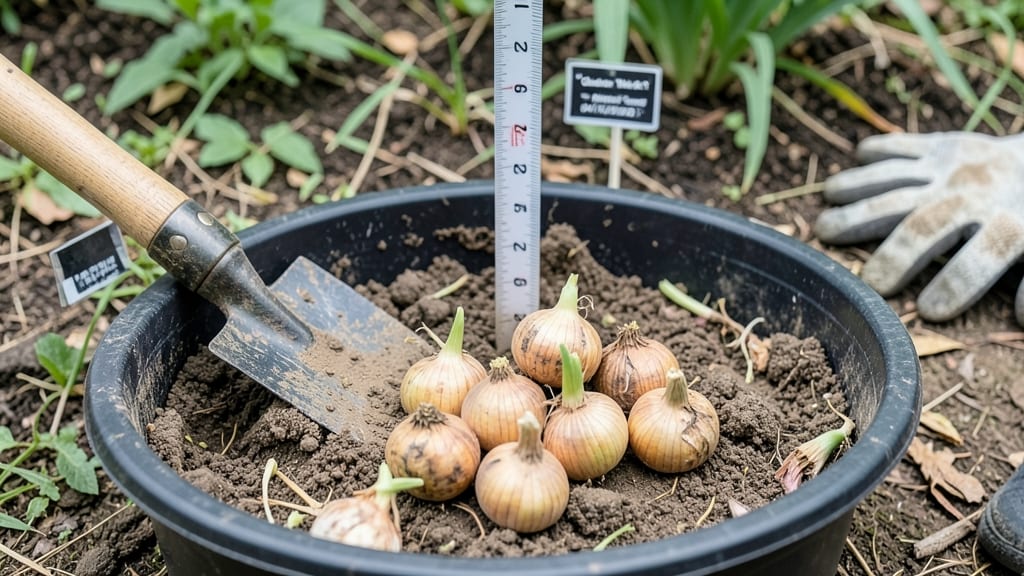
To plant gladiolus bulbs in Zone 6 for those bold summer blooms, aim for late April to early May—after the last frost but before the heat sets in.
Want vibrant 🌸 summer blooms that turn heads? Timing is everything when planting gladiolus bulbs in Zone 6—plant too early or late, and you’ll miss the spectacular show. Here’s exactly when to plant for maximum impact.
Zone 6’s frost-free window is tight, and gladiolus need warmth to thrive. Planting too soon risks frost damage, while waiting too long can delay blooms until late summer, when heat stress takes over.
Below, I’ll break down the perfect planting timeline, soil prep tips, and how to adjust for your local microclimate—so you get tall, healthy spikes by July.
Optimal planting dates for gladiolus in Zone 6: avoiding frost and heat stress
Gladiolus bulbs thrive in Zone 6 when planted at the right time—too early, and frost will damage tender shoots; too late, and summer heat will stunt blooms. The key window is 4-6 weeks before your last frost date, typically between mid-April and early June.
This timing ensures strong root establishment before the heat of July arrives, giving you bold summer blooms from July through September.
Your exact planting date depends on local frost patterns. In northern Zone 6 (e.g., Chicago, IL), aim for late April to early May when soil temps hit 60°F.
In southern Zone 6 (e.g., Atlanta, GA), you can start as early as mid-March, but avoid planting before soil warms to 55°F to prevent rot. Always check your local frost-free date—a quick online search for "Zone 6 last frost date [your city]" will give you precise timing.
Soil temperature is just as critical as air temperature. Gladiolus corms need soil that’s at least 55°F to sprout—colder soil delays growth and invites fungal diseases. Use a soil thermometer to confirm readiness. If your soil is too cold, wait 1-2 weeks or use black plastic mulch to warm it faster. Pro tip: Plant in raised beds if your ground stays chilly longer—they warm up quicker in spring.
Regional variations within Zone 6 mean your neighbor’s planting schedule might not work for you. For example:
- Chicago, IL: Last frost ~May 15 → Plant April 15-May 1
- Atlanta, GA: Last frost ~March 15 → Plant March 1-March 30
- Denver, CO: Last frost ~May 10 → Plant April 15-April 30
Adjust these dates by 1-2 weeks if you’ve had unusually early/late frosts in recent years.
| Region in Zone 6 | Last Frost Date | Optimal Planting Window | Soil Temp Requirement | Bloom Time |
|---|---|---|---|---|
| Northern Zone 6 (Chicago, IL) | May 15 | April 15–May 1 | ≥60°F | July–September |
| Southern Zone 6 (Atlanta, GA) | March 15 | March 1–March 30 | ≥55°F | June–August |
| Mountain Zone 6 (Denver, CO) | May 10 | April 15–April 30 | ≥58°F | July–September |
| Pacific NW Zone 6 (Seattle, WA) | May 5 | April 10–April 25 | ≥57°F | July–August |
Adjust dates by 1-2 weeks for microclimates (e.g., frost pockets, urban heat islands).
If you miss the spring window, you can plant gladiolus in early summer (June) for late-season blooms, but avoid planting after July 1—the corms need 8-10 weeks to establish roots before winter.
For a continuous bloom, stagger plantings every 2 weeks from April through June. This ensures fresh flowers all summer long without gaps.
Watch for heat stress after planting. Gladiolus can bolt (send up flower spikes too quickly) if soil temps exceed 85°F. To prevent this, provide afternoon shade with shade cloth or plant in partial shade during peak heat.
Mulch with straw or grass clippings to keep roots cool and retain moisture. Avoid overhead watering in hot afternoons—water at the base of plants early in the morning instead.
For gardeners in Zone 6b or cooler microclimates, consider starting corms indoors
How to time gladiolus planting for peak summer blooms: month-by-month breakdown
Timing your gladiolus bulbs in Zone 6 is the secret to show-stopping summer blooms. Plant too early, and frost will damage tender corms; too late, and your flowers won’t appear until fall.
The sweet spot? A 4-6 week window before your last frost date—typically mid-April to early June in most of Zone 6. Let’s break it down month by month to maximize your blooms.
Gladiolus thrive on warm soil and long daylight hours, so your planting schedule should align with both. In Zone 6, soil temperatures should consistently stay above 60°F (15°C) before planting.
Use a soil thermometer to check—if it’s cooler, wait a few more weeks. This ensures strong root growth and vibrant blooms.
Pro tip: Stagger your planting by 2-3 weeks to enjoy blooms from mid-summer to frost. For example, plant half your bulbs in early May and the rest in late May.
This simple trick ensures a continuous display of gladiolus spikes in your garden. Pair them with companion plants like marigolds (to deter pests) or salvia (for contrasting foliage).
Don’t forget to soak corms in water for 1-2 hours before planting to kickstart root growth. After planting, water deeply to settle the soil and keep moisture consistent. Avoid overhead watering to prevent fungal diseases like botrytis, which can ruin your blooms before they open.
Watch for shoots emerging in 6-8 weeks, signaling successful planting. Once flower spikes appear, reduce watering slightly to encourage stronger stems. With the right timing, your gladiolus will reward you with bold, dramatic blooms that last 2-3 weeks per stem—perfect for cutting gardens or summer bouquets!
🌸