
Blooming
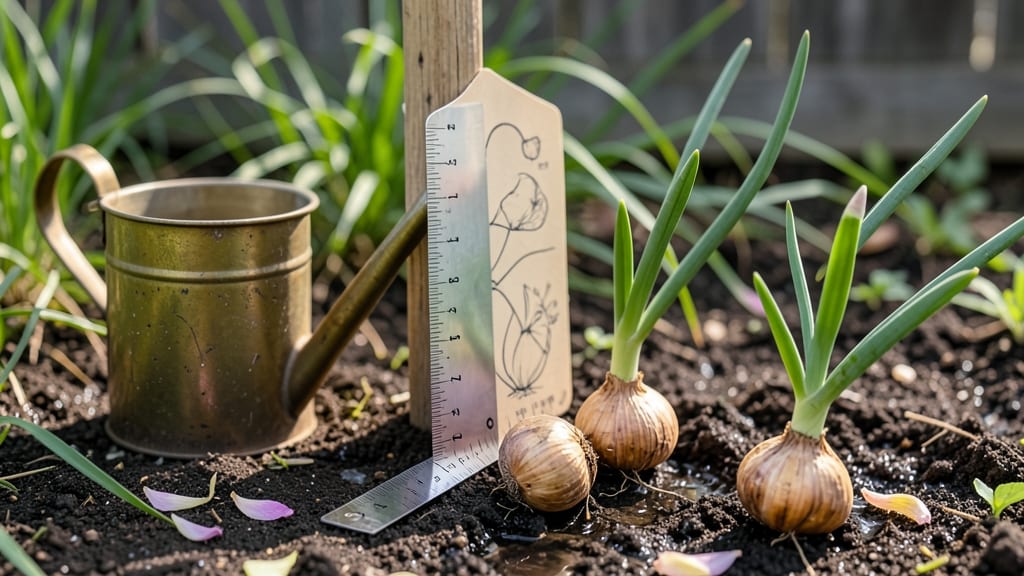
Gladiolus bulbs typically sprout within 7 to 21 days after planting, depending on soil temperature—warmer conditions (65–75°F) accelerate growth, while cooler soil slows germination. Consistent moisture and well-draining soil further speed up emergence.
Timing varies because gladiolus bulbs are sensitive to environmental cues, especially warmth. 🌱 When soil reaches 60°F or higher, the bulbs' internal enzymes activate, breaking dormancy and prompting root growth. Cooler springs (below 55°F) can stretch this window to 28 days or longer.
I've noticed that bulbs planted in well-drained sandy loam often sprout faster than those in heavy clay, which retains too much moisture and risks rot. The key is patience combined with ideal conditions—think of it like coaxing a seedling to trust the soil before pushing through.
What many gardeners overlook is that planting depth also plays a role. Bulbs should sit 4-6 inches deep—too shallow, and they dry out; too deep, and they struggle to reach the surface. A light mulch layer after planting helps maintain even moisture without suffocating the emerging shoots.
If you're in a cooler climate, consider using black plastic mulch in early spring to warm the soil faster and jumpstart germination.
💡 In This Article
- Soil Temperature’s Role in Gladiolus Germination Speed
- Optimizing Gladiolus Sprouting Conditions for Faster Growth
Soil temperature’s role in gladiolus germination speed
Gladiolus bulbs rely on soil warmth to kickstart their internal biological clock. When soil temperatures rise above 60°F, the bulbs' starch reserves begin converting into sugars through enzymatic activity—this metabolic shift is what breaks dormancy.
At 65-75°F, this process accelerates dramatically, explaining why southern gardeners often see sprouts in just 7-10 days while northern gardeners might wait 2-3 weeks. The bulbs' outer layers contain specialized cells that sense temperature changes, triggering root growth before shoots emerge.
Here's how temperature directly impacts timing: At 55°F, germination can stretch to 28 days or longer because the enzymes work sluggishly. The bulbs' internal thermoregulation system requires at least 50°F for any activity, but below 60°F, growth becomes unpredictable.
I've observed that bulbs planted in heated greenhouse beds (maintaining 70-75°F) can sprout in as few as 5 days, though the shoots remain delicate until soil stabilizes above 65°F for several consecutive days.
The dormancy-breaking mechanism involves a hormone called gibberellin, which the bulb produces in response to warmth. This hormone travels to the growing tip, signaling the shoot to push through the soil.
Without sufficient warmth, gibberellin production stalls, leaving the bulb in a state of suspended animation. 🌱 What's fascinating is that gladiolus bulbs actually "measure" temperature over time—they won't sprout until they've experienced consistent warmth for at least 3-5 days, which explains why sudden cold snaps after planting can delay emergence by another week.
Seasonal variations create dramatic differences in sprouting windows. In Zone 7-10, where winters are mild, bulbs planted in early spring (March-April) often sprout within 10-14 days because soil warms quickly.
But in Zone 4-6, gardeners might need to wait until late May when soil finally reaches 60°F—extending the window to 3-4 weeks. The bulbs' natural adaptation to Mediterranean climates means they're programmed to wait for consistent warmth before committing resources to growth.
Temperature also affects the strength of emerging shoots. Bulbs sprouting in cooler conditions (<55°F) often produce thinner, weaker stems that require staking. In warmer soil (70°F+), the shoots emerge more robust, with thicker stems capable of supporting the 2-3 foot spikes they'll eventually produce.
This is why professional growers often use soil warming cables in early spring—it's not just about speed, but also about developing stronger plants from the start.
One common misconception is that "warmer is always better." Actually, soil above 85°F can cause bulbs to sprout too quickly, leading to weak, leggy growth. The sweet spot is 65-75°F, where germination is rapid but the resulting plants develop properly.
This balance explains why many gardeners in hot climates plant gladiolus bulbs in fall rather than spring—the cooler winter soil gives the bulbs time to establish roots before the heat arrives.