
Plants
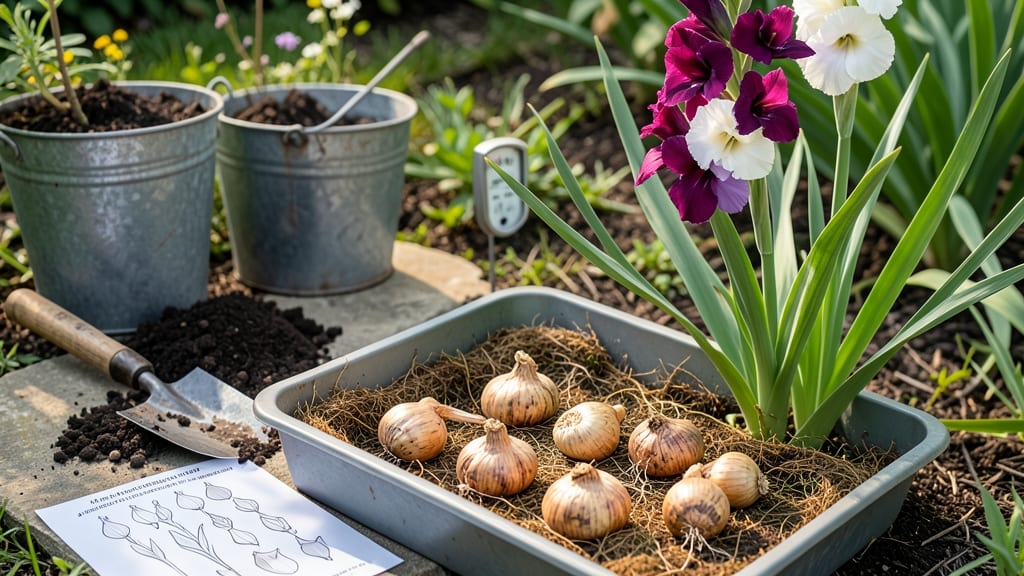
Planting gladiolus bulbs in Massachusetts after your last frost — typically around April 15 — sets the stage for bold summer blooms that thrive in the state’s 6a climate.
Massachusetts gardeners know timing is everything — plant too early, and frost can ruin them; too late, and you’ll miss the stunning 🌸 displays. The key? A precise window that balances soil warmth and late-season heat resistance.
Gladiolus bulbs need soil temperatures above 60°F to sprout, which usually happens by late May. This gives them enough time to establish roots before summer’s heat arrives, ensuring strong stems and vibrant blooms.
Below, I’ll walk you through the exact planting window, soil prep tips, and how to care for your gladiolus once they’re in the ground — so you can enjoy months of color from July to September.
Massachusetts gladiolus planting timeline: late-May heat-proof window explained
Massachusetts gardeners face a unique challenge with gladiolus bulbs: the late-May heat wave that often arrives after the last frost. While many plants can handle early spring planting, gladiolus need soil temperatures above 60°F to thrive.
This means waiting until late May or early June ensures your bulbs won’t rot in chilly, damp soil—while still giving them time to establish roots before summer’s intense heat.
The USDA Zone 6a climate of Massachusetts creates a tight window for success. Most regions experience their last frost around April 15, but soil warmth lags behind air temperature.
Planting too soon risks fungal diseases like corm rot, while delaying past early June may shorten your bloom season (typically July-September). The sweet spot? A heat-proof window between late May and early June, when soil consistently stays warm.
Here’s the science behind the timing: Gladiolus bulbs need 60°F+ soil temperatures to sprout reliably. In Massachusetts, this typically occurs by late May in most regions, with western areas warming slightly earlier.
The 165 frost-free days in MA’s growing season mean you’ve got just enough time to plant, grow, and enjoy blooms before the first frost in mid-October.
To maximize your chances, use a soil thermometer to confirm warmth before planting. Aim for 60°F at 4-inch depth, the ideal depth for gladiolus bulbs. This tool is especially valuable in Massachusetts’ heavy clay soils, which can stay cool longer.
If your soil isn’t ready by early June, consider container planting with heated grow pads or black plastic mulch to warm the soil faster.
Another critical factor is day length. Gladiolus respond to increasing daylight, which is why late spring planting aligns perfectly with their natural growth cycle. By late May, days are long enough to trigger spike formation, but not so long that the plants bolt prematurely.
This balance ensures strong, sturdy stems capable of supporting those dramatic 3-5 foot blooms.
For gardeners in western Massachusetts, where soils warm slightly earlier, you might push planting to mid-May. However, eastern regions like Boston and Cape Cod should wait until early June to avoid frost risks.
The Connecticut River Valley typically falls in between, with late May being ideal. Always check your local frost-free date—some years can vary by 1-2 weeks from the average.
One common mistake is assuming that because the air feels warm in late April, the soil is ready. In reality, Massachusetts’ heavy clay soils can stay 10-15°F cooler than air temperatures.
To test readiness, stick a thermometer in the ground at 4-inch depth (the planting depth for gladiolus) and wait until it consistently reads 60°F or warmer for 3-5 days. This patience prevents bulb rot and ensures vigorous growth.
Pro tip: Use black plastic mulch to warm soil faster if you’re eager to plant. Lay it down 1-2 weeks before your target date to create a microclimate that reaches ideal temperatures sooner.
This technique is especially helpful in cooler microclimates like near large bodies of water or shaded garden corners. Just remember to remove the mulch once planting is complete to avoid overhe
How to prepare gladiolus bulbs for Massachusetts’ unpredictable late-spring weather
Massachusetts’ late spring brings unpredictable temperature swings that can stress gladiolus bulbs before they even sprout. To ensure your bold summer blooms thrive, prepping bulbs properly is non-negotiable. I’ve learned the hard way—skipping these steps often leads to stunted growth or heat shock once planted.
Your bulbs need 3 critical adjustments before hitting MA’s heavy clay soil: chilling to break dormancy, soil amendments for drainage, and hardening to handle sudden heat spikes. Let’s tackle each step to give your gladiolus the best possible start in our fickle climate.
-
Step 1: Chill Bulbs for 6–8 Weeks
Place bulbs in a paper bag with peat moss in your fridge’s crisper drawer (35–40°F). This mimics winter dormancy and ensures synchronized sprouting.
-
Step 2: Test and Amend Heavy Clay Soil
Dig a 6-inch hole and mix in 3 inches of compost + 1 cup perlite per square foot. Gladiolus hate soggy roots—this prevents rot in MA’s wet springs.
-
Step 3: Harden Bulbs Over 7–10 Days
Move bulbs to a shady garage or unheated porch for 6 hours/day. Gradually increase sun exposure to prevent heat shock when planted outdoors.
-
Step 4: Soak Bulbs Before Planting
Submerge bulbs in lukewarm water for 1 hour to hydrate roots. This jumpstarts growth in MA’s cooler late-spring soil.
-
Step 5: Plant at Soil Temps ≥60°F
Use a soil thermometer—plant only when soil reaches 60°F+. In MA, this is typically late May to early June.
Don’t overlook mulching after planting! Apply 2 inches of straw mulch to retain moisture and regulate soil temps during MA’s sudden heat waves. I’ve seen gladiolus wilt within days without this protection.
Pro tip: If your garden gets hotter than 85°F, stake bulbs immediately—our summer heat causes stems to flop. Use bamboo stakes tied loosely with soft twine to avoid damaging the delicate spikes.
With these steps, your gladiolus will burst through the soil like clockwork, giving you months of dramatic blooms from July through September. Now go forth and conquer that unpredictable MA spring! 🌸