
Plants
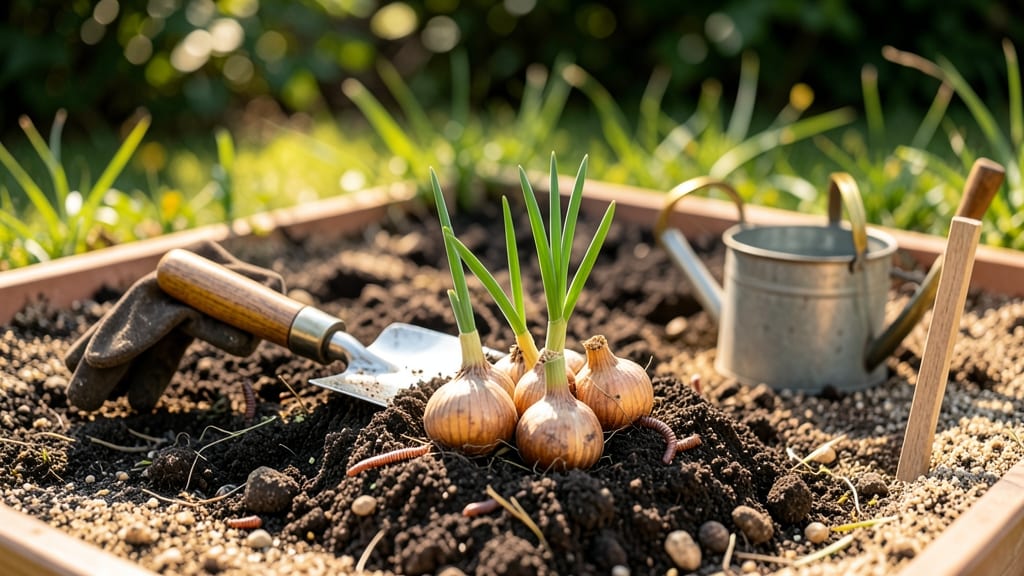
To plant gladiolus bulbs in Ohio and guarantee those showstopping summer blooms, aim for late April to mid-May when the soil warms to 60°F — a timing window that turns Ohio’s unpredictable spring into your advantage.
Ohio’s unpredictable spring weather can make gladiolus planting a guessing game, but mastering soil temperature triggers ensures your 🌸 gladiolus thrive from July through frost. Skip the guesswork with the right timing, and you’ll avoid the heartbreak of bulbs rotting in cold soil or blooming too late for summer’s peak.
This isn’t just about dates—it’s about giving your gladiolus the perfect start. We’ll cover how to prep your soil for Ohio’s clay-heavy gardens, the ideal spacing for those towering 4-5-foot stems, and when to fertilize for maximum impact.
Ready to transform your Ohio garden into a summer spectacle? Let’s dive into the exact steps to plant your gladiolus bulbs for bold, long-lasting blooms that turn heads from July to September.
Ohio gladiolus planting calendar: soil temperature triggers for success
Timing gladiolus bulb planting in Ohio hinges on two critical factors: soil temperature and your last frost date. Unlike many plants, gladiolus corms thrive when soil reaches 55-60°F—warmer than most spring bloomers.
Ohio’s microclimates (zones 5-6) create regional variations, so I’ll break down the ideal windows for northern, central, and southern Ohio gardens to maximize your summer bloom season.
Northern Ohio (zones 5a-5b) typically has a last frost date around April 20-25, while southern Ohio (zones 6a-6b) sees frost-free conditions by April 5-15. However, planting too early—before soil warms—risks rot and stunted growth.
The key is waiting for consistent daytime highs above 60°F and nighttime lows above 50°F.
Here’s how Ohio’s planting windows compare across regions, with soil temperature triggers marked for each:
For peak summer blooms (July-September), aim to plant gladiolus corms 4-6 weeks before your average last frost date. This timing ensures roots establish before heat stress sets in. In northern Ohio, this means early May plantings, while southern Ohio gardeners can start as early as mid-April.
Late plantings (after May 15) still work but may produce shorter stems and fewer blooms. If you miss the spring window, Ohio’s late summer planting (August-September) is a backup—just expect blooms to appear next summer instead.
Ohio’s unpredictable spring weather can throw off timing, so I recommend tracking weekly soil temps using a digital thermometer or local agricultural extension reports. For example, a cold snap in late April might delay planting by 1-2 weeks in northern areas.
Another trick I use is the "hand test": Press your hand into the soil—if it feels warm to the touch at 2-3 inches deep, it’s ready for gladiolus. Combine this with checking for frost-free forecasts from the National Weather Service to fine-tune your schedule.
Regional adjustments matter too. Urban heat islands in cities like Columbus or Cincinnati can warm soil 5-10°F faster than rural areas, allowing earlier plantings. Conversely, high-elevation areas (like parts of Appalachian Ohio) may need to wait until late May.
Once you’ve nailed the timing, focus on well-draining soil—gladiolus corms rot quickly in soggy conditions. Amend heavy Ohio clay with compost or perlite to improve drainage. After planting, mulch with straw or shredded leaves to maintain even soil moisture and prevent temperature fluctuations.
With these soil temperature triggers and regional adjustments, your Ohio gladiolus will reward you with bold, long-stemmed blooms that brighten gardens from July through frost. Happy planting! 🌸
Step-by-step gladiolus planting guide for Ohio gardens
Ohio’s clay-heavy soils and variable spring temperatures demand precise gladiolus planting techniques. The key to success lies in soil preparation, proper depth, and strategic spacing to prevent bolting in summer’s heat.
Let’s break down the exact steps I use in my Ohio garden to ensure vibrant summer blooms from July to frost.
Before you begin, gather these essential tools: a trowel, garden fork, measuring tape, organic compost, and mulch. Ohio’s clay soil needs amendment to improve drainage—mix in 2-3 inches of compost or sand to create a well-draining medium.
Aim for a slightly acidic pH (6.0-6.5), which gladiolus prefer.
🌱 Step-by-Step Gladiolus Planting Process
- 1 Choose the right time: Plant 4-6 weeks after Ohio’s last frost date (typically mid-April to early May) when soil temperatures reach 55-60°F. Use a soil thermometer to check.
- 2 Prepare planting holes: Dig holes 4-6 inches deep and 6-8 inches apart. Ohio’s clay soil compacts easily, so loosen the soil with a fork to improve root penetration.
- 3 Plant corms correctly: Place each gladiolus corm pointy-side up in the hole, with the basal plate facing downward. Space rows 12-18 inches apart for better airflow.
- 4 Cover and water: Backfill with soil, leaving 1 inch of corm exposed to prevent rot. Water immediately with 1 inch of water to settle the soil and encourage root growth.
- 5 Mulch for heat protection: Apply 2-3 inches of mulch (straw or shredded leaves) to retain moisture and prevent bolting during Ohio’s hot summers. Replenish mulch as needed.
- 6 Watering schedule: Keep soil consistently moist but not soggy. Water deeply 2-3 times per week in summer, focusing on the root zone to avoid fungal diseases common in Ohio’s humidity.
After planting, monitor your gladiolus for early signs of stress, like yellowing leaves or wilting. In Ohio’s heat, these can signal underwatering or poor drainage. If you notice issues, adjust your watering schedule or improve soil drainage with additional compost.
Fertilize lightly with a balanced 10-10-10 fertilizer 4-6 weeks after planting to encourage strong growth.
One pro tip I’ve learned from years of Ohio gardening: stake your gladiolus early (when stems reach 6 inches) to prevent wind damage during summer storms.
Use bamboo stakes or flower rings to support the tall spikes. This simple step ensures your blooms stay upright and show off their full beauty.
With these steps, your Ohio garden will burst with gladiolus blooms from July through frost. The secret? Timing, proper soil prep, and consistent care—all tailored to Ohio’s unique climate. Happy planting! 🌸