
How To
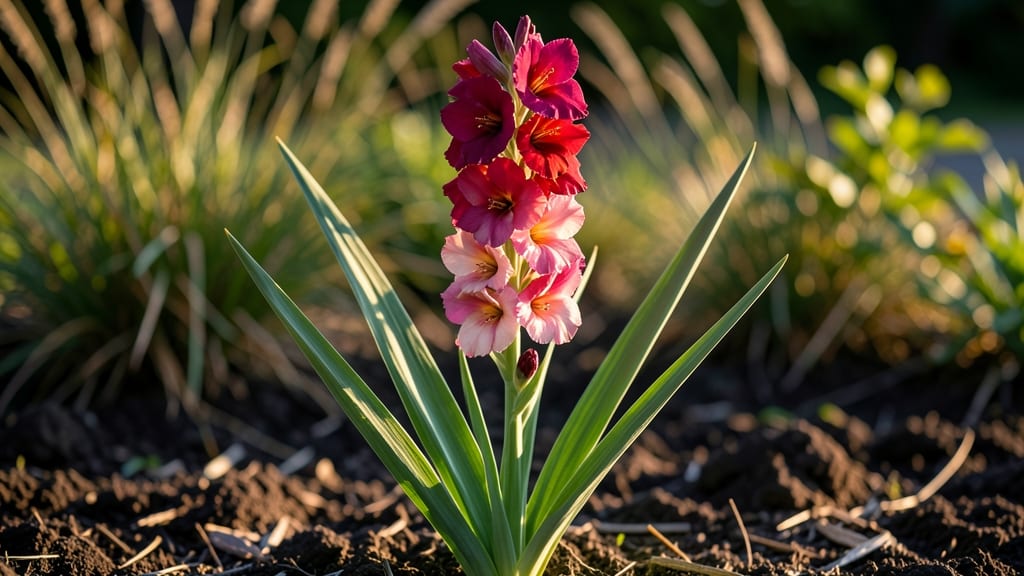
Gladiolus bulbs take about 8 to 12 weeks to bloom after planting, depending on your planting time, hardiness zone, and variety.
Waiting for those showy 🌸 spikes can feel like forever—especially when you’ve just tucked them into the soil after the last frost.
But here’s the good news: with the right timing and care, you can predict when those vibrant blooms will appear, turning your garden bed into a parade of color.
Most gardeners in zone 6a plant gladiolus in April or May, and with ideal conditions—full sun and well-drained soil—they’ll reward you with blooms by July or August. However, cooler zones or early spring plantings can stretch that timeline, while warmer climates might speed things up.
In this guide, I’ll break down the exact bloom timeline by planting season, share how your zone affects speed, and reveal 5 pro tips to coax those flowers along faster—without sacrificing their health or beauty.
Gladiolus bloom timeline: exact days from planting by season
Gladiolus bulbs are famous for their dramatic, sword-shaped blooms, but their growth timeline varies dramatically depending on when you plant them. Understanding these seasonal differences helps you plan for vibrant summer displays or extend your fall interest.
The key factors are soil temperature, daylight hours, and your USDA hardiness zone. Let’s break down the exact days from planting to bloom for each season.
Spring plantings typically yield the most reliable blooms, with 90-120 days to full flower. Summer plantings can bloom in as few as 60-80 days in warm climates, while fall plantings may take 70-100 days before frost arrives.
The warmer the soil, the faster the growth—but too much heat can stress the bulbs, slowing development.
Soil temperature is critical: gladiolus bulbs need soil at 60°F (15°C) or warmer to sprout. In cooler zones, wait until the ground thaws completely before planting. Daylight length also plays a role—longer summer days accelerate growth, while shorter fall days can extend the timeline. Let’s dive into the specifics for each planting season.
For spring plantings, the timeline starts with 14-21 days to see those first green shoots pushing through the soil. Once sprouted, it takes another 30-45 days for the foliage to fully develop before the flower spikes emerge.
The full bloom typically arrives 90-120 days after planting, giving you a stunning summer display from July through September.
If you’re planting in summer, the process moves faster due to warmer soil and longer daylight. You’ll see sprouts in just 7-14 days, with foliage developing in 21-30 days.
The bloom window shrinks to 60-80 days, meaning you can enjoy flowers from August through October—perfect for late-season color. Just ensure your bulbs get consistent moisture to prevent stress.
Fall plantings are riskier but can extend your blooms into late autumn. Sprouts appear in 10-21 days, with foliage taking 28-42 days to establish. The bloom timeline of 70-100 days means flowers may open as late as November, but frost can cut the season short. Choose early-blooming varieties like 'White Friendship' or 'Pink Parfait' for the best chance of success.
Daylight length is another critical factor. Gladiolus bulbs need 6+ hours of sunlight daily to thrive. In northern zones (USDA 3-5), shorter summer days can delay blooms by 10-15 days, while southern zones (USDA 8-11) may see blooms arrive 2-3 weeks earlier due to longer daylight.
Adjust your planting dates accordingly—plant earlier in cooler zones and later in warmer ones.
Soil temperature also impacts growth speed. Ideal soil temps for gladiolus are between 60°F and 75°F (15°C-24°C). If your soil is cooler, consider using black plastic mulch to warm it faster.
Conversely, in hot climates (above 85°F or 29°C), provide afternoon shade to prevent bulb stress, which can delay blooming by up to 2 weeks.
Pro tip: Fertilize at the right time to speed up blooming. Apply a balanced 10-10-10 fertilizer when the foliage is 6 inches tall, then again when the flower spikes emerge. Avoid high-nitrogen fertilizers,
How your hardiness zone affects gladiolus bloom speed
Your USDA hardiness zone is the secret code to unlocking your gladiolus blooms' true potential. In cooler zones (3-6), these flowers take their time—often 10-12 weeks from planting to bloom—while in warmer zones (8-11), they can burst into color in just 7-9 weeks.
The difference? Temperature, daylight, and frost timing all play starring roles in your gladiolus' performance.
Gladiolus bulbs are frost-sensitive, so timing is everything. In Zone 3-5, wait until after Memorial Day to plant, while Zones 8-11 can start as early as February.
Each zone's unique climate dictates not just when to plant, but also which gladiolus varieties will thrive—and how quickly they'll reward you with those dramatic spikes.
| USDA Zone | Avg. Days to Bloom | Best Planting Time | Frost Risk | Top Variety |
|---|---|---|---|---|
| 3-5 | 10-12 weeks | After May 15 | High | 'White Prosperity' |
| 6-7 | 9-11 weeks | April-May | Moderate | 'Pink Parfait' |
| 8-9 | 7-9 weeks | February-March | Low | 'Black Star' |
| 10-11 | 6-8 weeks | January-February | None | 'Green Star' |
In Zones 3-5, where winters linger, gladiolus bulbs need consistent warmth to trigger blooming. Planting too early risks frost damage, while late planting in Zone 6-7 can delay blooms until late summer.
My trick? Use black plastic mulch to warm the soil—this can shave 1-2 weeks off bloom time in cooler climates.
Warmer zones like 8-11 offer a gardener's dream: faster blooms and longer seasons. Here, you can even succeed plantings for continuous color. For example, in Zone 10, planting in January yields blooms by March, while a June planting delivers fall flowers before winter arrives.
Don't overlook daylight length—gladiolus need 12+ hours of light daily to bloom efficiently. In northern zones (3-6), supplement with a grow light if your summer days shorten too soon. In southern zones (8-11), focus on shade protection during peak heat to prevent stress that could delay blooms.
Adjust your expectations based on your zone: cooler climates reward patience with longer-lasting blooms, while warmer zones offer faster gratification. Either way, with the right timing, you'll have gladiolus spikes reaching for the sky—just in time for your summer garden showstopper. 🌸