
Container Gardens
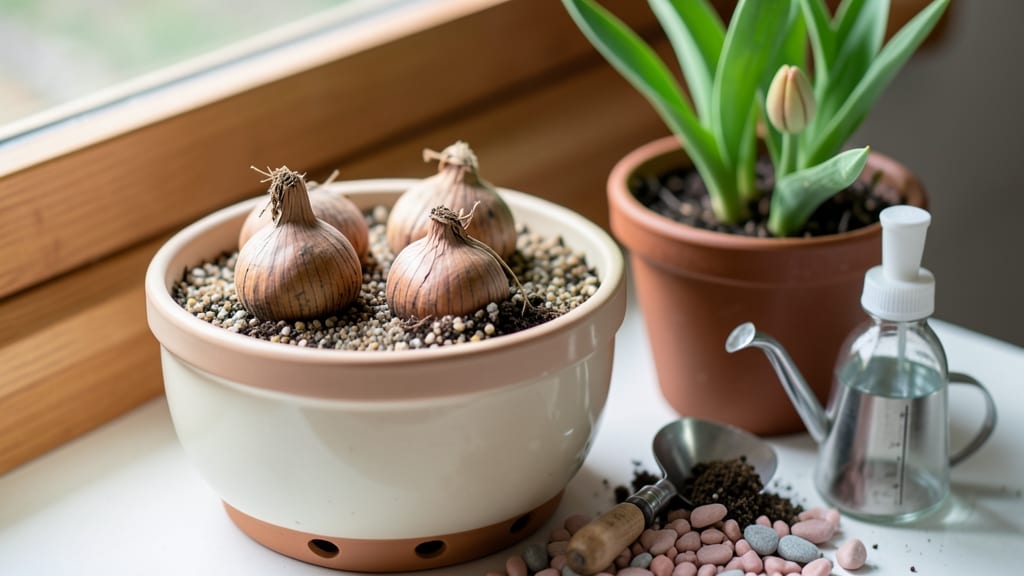
Yes, tulip bulbs can thrive in pots when planted in containers with proper depth, drainage, and soil composition. Use pots at least 6 inches deep with well-draining soil and space 3-5 bulbs per 6-inch pot for healthy root spread.
Tulips love containers when given the right conditions—think of them as tiny, well-drained gardens where roots can spread without crowding. 🌱 The key is mimicking their natural soil environment: loose, gritty mixes with perlite or sand prevent rot while allowing airflow.
I’ve found terracotta pots work best because they wick away excess moisture, but plastic containers also work if you drill drainage holes. Just avoid compacted soils or waterlogged pots, which can suffocate bulbs and stunt blooms.
What surprises many gardeners is how tulips perform in shallow pots—they don’t need deep soil like root vegetables. The focus should be on width for root expansion, not height. For example, a 12-inch-wide pot can comfortably hold 5 bulbs, while a 6-inch pot might only fit 2-3.
This setup ensures each bulb gets enough space to develop strong stems for those iconic spring blooms.
💡 In This Article
- Tulip Bulb Container Requirements for Optimal Growth
- Best Pot Types and Care Tips for Potted Tulips
Tulip bulb container requirements for optimal growth
Tulip bulbs need containers that balance two critical factors: root space and moisture control. Their root systems grow primarily downward but spread horizontally—unlike deep-rooted plants. A pot that's 6 inches deep provides enough room for roots to anchor while preventing overcrowding.
The real secret lies in the width-to-depth ratio: tulips perform best in wide, shallow containers where roots can expand outward rather than downward. This mimics their natural habitat where bulbs grow in loose, well-aerated soil.
The science behind this involves oxygen exchange in the soil. Compacted soil or deep pots create anaerobic pockets where roots suffocate.
When you use a 12-inch-wide pot with 6-inch depth, you create ideal conditions: roots get 36 cubic inches of growing space (width × depth × 1 inch depth per bulb). This volume allows bulbs to develop strong stems capable of supporting 2-3 foot tall blooms.
The wider surface area also helps regulate moisture—critical since tulips rot easily in soggy conditions.
Drainage is where most gardeners go wrong. Tulips hate "wet feet" because their papery skins can't withstand prolonged moisture. A container without drainage holes creates a death trap—water pools at the bottom, causing fungal infections. Even terracotta pots (which wick moisture) need drainage holes.
I've seen bulbs planted in decorative bowls without holes fail within weeks, while identical bulbs in drilled containers thrived. The fix? Add a 2-inch layer of gravel or perlite at the bottom to create an air pocket that prevents waterlogging.
Soil composition matters just as much as container choice. Tulips need a mix that's 60% loam, 30% perlite/sand, and 10% compost. This ratio prevents compaction while providing nutrients.
The perlite creates air pockets that mimic the loose, sandy soils tulips prefer in their native Turkey and Iran regions. Without this structure, bulbs become waterlogged or starved for oxygen. Think of it like giving roots a breathable sweater—they can't thrive if smothered in dense soil.
Light exposure plays a hidden role too. Tulips need 6-8 hours of sunlight daily to trigger flowering. In containers, this means placing pots in south-facing positions where they get maximum light. The container's material affects temperature regulation: terracotta stays cooler in summer but dries faster, while plastic retains moisture longer.
Both work if you adjust watering—terracotta daily, plastic every 2-3 days. The goal is to keep soil moist but never soggy, which is why many gardeners swear by the "finger test": stick your finger 2 inches deep—if it's dry, water lightly.
Here's what happens when you get it wrong: bulbs planted in deep pots with poor drainage develop mushy roots and fail to bloom. I've seen cases where gardeners used 10-inch deep pots thinking "more space is better"—but the excess depth creates stagnant air at the bottom. The solution?
Stick to 6-inch minimum depth and prioritize width. For example, a 10-inch diameter pot with 6-inch depth holds 5 bulbs perfectly, while a 6-inch diameter pot should only have 2-3 bulbs. This balance ensures each bulb gets its own 3-inch radius of growing space.