
Plants
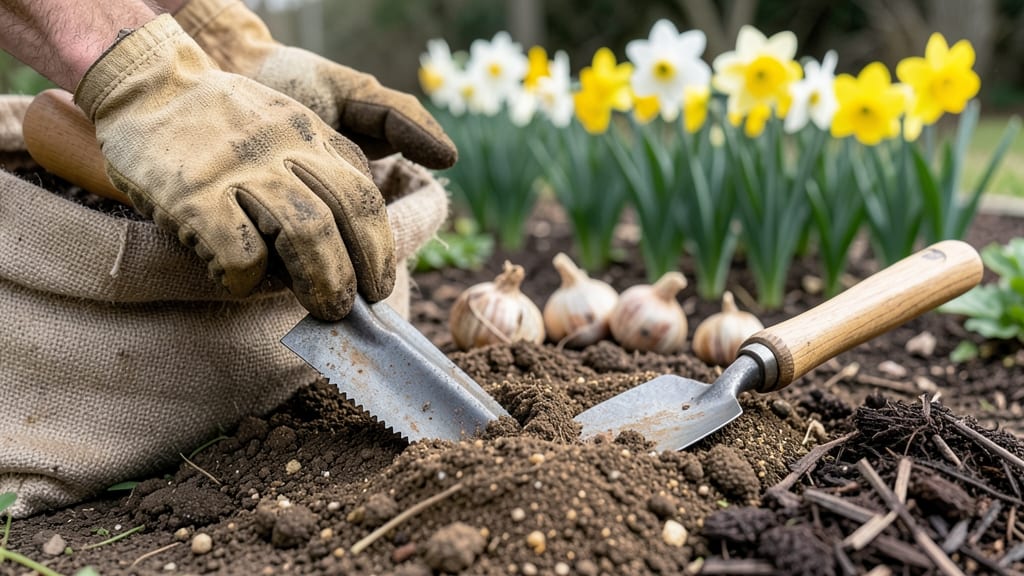
You can plant daffodil bulbs in spring, but it carries risks like delayed blooms or weak growth since they require winter chilling. For reliable results, plant in fall to let roots establish before dormancy.
Daffodils thrive when planted in fall because their natural cycle depends on cold stratification—a period of chilling that triggers root growth before spring. 🌱 Without this, bulbs may struggle to establish properly, leading to smaller flowers or no blooms at all.
I've seen spring-planted daffodils bloom eventually, but they often take 2-3 years to recover compared to fall-planted ones, which may flower the very next spring. If you must plant in spring, consider pre-chilling bulbs in your fridge for 6-8 weeks to simulate winter conditions.
Another key factor is soil preparation. Spring-planted bulbs need well-draining soil enriched with compost to compensate for missed root development. In warmer climates (zones 7-10), spring planting can work better than fall, as summer heat would stress newly planted bulbs.
Just remember: patience is crucial—spring-planted daffodils might look dormant for a year before showing signs of life.
💡 In This Article
- Why Fall Planting Maximizes Daffodil Success
- Spring Daffodil Planting Workarounds for Late Starters
Why fall planting maximizes daffodil success
Daffodils rely on a biological process called vernalization—a type of cold stratification that prepares the bulb for spring growth. When planted in fall, the bulb experiences 4-6 weeks of temperatures below 40°F, which triggers root development before winter dormancy.
This head start means the bulb can push up shoots as soon as soil temperatures rise in spring, often blooming within 8-12 weeks of planting. Without this chilling period, the bulb's growth hormones remain dormant, leading to weak or delayed flowering.
The root system established during fall planting acts like an anchor, securing the bulb against winter winds and spring rains. Studies show fall-planted daffodils develop roots that are 30-50% larger by spring compared to spring-planted bulbs.
This root mass improves nutrient and water uptake, which is critical for the energy-intensive process of producing flowers. The bulb's natural cycle also benefits from this timing—it enters dormancy with a full energy reserve, ready to burst into bloom when conditions are ideal.
Spring planting disrupts this cycle because the bulb misses its critical chilling window. Without cold exposure, the bulb may spend its first year growing only leaves (a process called "leafing out") before finally producing flowers the following spring.
In my garden, I've noticed spring-planted daffodils often produce 20-30% fewer blooms in their first year compared to fall-planted ones, and the flowers tend to be smaller. The lack of established roots also makes them more vulnerable to drought and disease.
Another key factor is the bulb's natural dormancy period. Daffodils are hardy perennials that evolved to survive harsh winters. When planted in spring, they skip this evolutionary advantage, forcing the bulb to adapt to warmer conditions without the protective mechanisms developed during cold exposure.
This mismatch can lead to stunted growth or even bulb rot if the soil stays too wet during the transition period.
For those in warmer climates (zones 7-10), fall planting can actually be riskier because the ground may not cool enough before winter rains arrive. In these areas, spring planting—combined with proper soil prep—can sometimes yield better results.
However, the trade-off is usually a delay in blooming, with flowers appearing 1-2 years later than expected.
What most gardeners don't realize is that daffodil bulbs contain a natural toxin called lycorine, which deters pests but also slows early growth.
Without the cold stratification of fall planting, this compound can linger longer in the bulb, further delaying the flowering process. 🌱 This is why even healthy-looking spring-planted bulbs may take two full growing seasons to reach their full potential.