
Planting
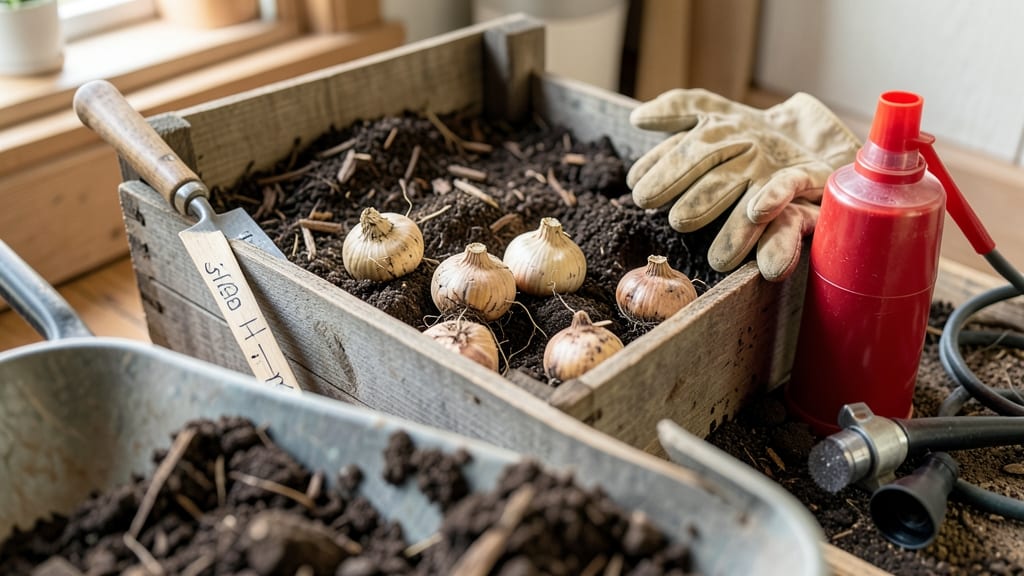
Planting Darwin Hybrid tulip bulbs means bold, long-lasting blooms that outshine every other tulip in your garden. 🌷 These aren't your typical spring flings—they thrive in heat, spread reliably, and often rebloom if you give them the right care.
My first batch surprised me by lasting three weeks, with the second flush coming in late summer. The secret starts with soil: Darwin Hybrids love well-draining, slightly sandy loam mixed with compost.
Plant bulbs 6 inches deep, spacing them 4-6 inches apart in clusters of 3-5 for that signature showy look. They need full sun (6+ hours daily) but handle afternoon shade better than most tulips. After planting, water deeply once, then only when the top inch of soil feels dry.
A 2-inch layer of mulch keeps roots cool and retains moisture—critical during their first winter. Fertilize lightly in early spring with bulb food, but skip heavy feeding after blooming to encourage next year's flowers. What sets these apart is their heat tolerance and reliable return.
Unlike most tulips, they don't fade after one season. Mine came back stronger each year, with some bulbs even naturalizing into wildflower-like clumps. For best results, deadhead spent blooms but leave foliage until it yellows completely—this feeds the bulb for next season's show.
📚 In This Guide
- What you need
- Instructions
- Tips and common mistakes
- Wrapping up and next steps
What you need
- ● Darwin Hybrid tulip bulbs: 10–20 bulbs (choose from varieties like 'Darwin Crystal' or 'Darwin Pink Parfait' for vibrant blooms).
- ● Well-draining soil: Loamy or sandy soil (amend with compost for fertility).
- ● Organic fertilizer: 5-10-10 or bulb-specific fertilizer (follow package rates).
- ● Mulch: Straw, wood chips, or shredded leaves (2–3 inches thick).
- ● Garden trowel or bulb planter: For digging holes (6-inch depth).
- ● Measuring tape or ruler: To space bulbs 4–6 inches apart.
- ● Watering can or hose with gentle nozzle: For post-planting hydration.
- ○ Garden gloves (optional): To protect hands from soil and sharp bulb edges.
- ● Chill period: Bulbs need 6–8 weeks of 40–50°F (4–10°C) temps before planting (store in a cool, dark place if planting out of season).
- ● Sunlight: Full sun (6+ hours daily) for optimal blooms.
- ● Drainage test: Ensure planting area isn’t waterlogged (add perlite or grit if needed).
How to plant and care for Darwin Hybrid tulip bulbs
These showstopping perennials thrive with minimal fuss—here's how to get bold blooms year after year.
🌱 Step 1: Choose the Perfect Planting Location
Darwin hybrids need full sun—at least 6 hours daily—for their dramatic blooms. I pick spots with morning sunlight and afternoon shade if summers run hot in your zone. The bulbs also appreciate well-draining soil; if your yard holds water, amend with 2-3 inches of compost mixed into the top 6 inches of soil.
Test drainage by digging a 12-inch hole, filling it with water, and timing how long it takes to drain. If water remains after 1 hour, raise beds or plant in containers with drainage holes. Darwin hybrids tolerate light shade but will produce fewer blooms—expect 20-30% smaller flowers in partial shade.
🌱 Step 2: Plant Bulbs at the Right Depth and Spacing
Plant bulbs 6-8 inches deep and 4-6 inches apart—deeper than most tulips because their stems grow long. I use a trowel to create holes, then place each bulb pointy-side up (the roots will grow downward naturally). Cover with soil and press gently to eliminate air pockets, which can cause rot.
For best results, plant in fall when soil temperatures drop below 60°F. This mimics their natural dormancy cycle. If you miss fall planting, spring is acceptable but blooms may be delayed by 2-4 weeks. Water immediately after planting to settle the soil around the bulbs.
☀️ Step 3: Provide Consistent Moisture and Fertilizer
Water deeply once weekly during the growing season, aiming for 1 inch of water per week. Darwin hybrids are drought-tolerant once established but need consistent moisture during bloom time. I check soil moisture by digging 2 inches deep—if dry, it's time to water. Overwatering causes bulb rot, so always let the top 1-2 inches dry between waterings.
Fertilize in early spring with a 5-10-10 balanced fertilizer (use ½ teaspoon per bulb) to encourage strong foliage. Avoid high-nitrogen fertilizers—they promote leaf growth at the expense of blooms. I also top-dress with 1 inch of compost in fall to replenish nutrients for next year's flowers.
✂️ Step 4: Deadhead and Maintain for Perennial Performance
Remove spent blooms by cutting stems 1 inch above the foliage once flowers fade. This redirects energy to bulb storage for next year. Never cut the leaves until they yellow naturally—this ensures the bulb stores enough nutrients. I leave foliage until 60% browns before trimming to avoid weakening the bulb.
In late summer, apply a 2-3 inch layer of mulch around plants to protect bulbs from winter temperature swings. Darwin hybrids are cold-hardy but benefit from insulation in zones below 5. I use straw mulch because it breaks down slowly and improves soil structure over time.
⏰ Step 5: Divide and Multiply Every 3-4 Years
Darwin hybrids multiply over time, but their blooms diminish after 3-4 years if not divided. In late summer after foliage dies back, dig up bulbs and separate offsets. I replant the largest bulbs immediately, reserving smaller ones for next year's planting. Replant at the same depth and spacing for continued bold blooms.
This is the moment that matters: dividing ensures your Darwin hybrids remain vigorous. You'll see a noticeable increase in bloom size and quantity within 2 years after division. Store any unused bulbs in a cool, dry place until planting season.
Tips & tricks for perfect Darwin Hybrid tulip planting
Here's what I've learned after years of growing these showstopping bloomers—these little details make all the difference.
Sunlight Strategy: That 6-hour daily sun requirement is non-negotiable for maximum bloom size, but I've found the sweet spot is actually 7-8 hours. Morning sun with afternoon shade in hot climates prevents stress while still delivering those dramatic flowers. If your yard gets intense afternoon heat, consider planting near a north-facing wall or under deciduous trees that provide shade only in summer.
Drainage Test Hack: I've ruined more bulbs than I'll admit by ignoring proper drainage. After digging that 12-inch hole, I now add a handful of coarse sand to the bottom before filling with water—this gives you a clearer picture of how your soil actually drains. If water pools at all after 1 hour, you absolutely need to raise beds or use containers with drainage holes. Darwin hybrids hate soggy feet!
Fertilizer Timing: The early spring 5-10-10 application is crucial, but I've learned to split it into two doses: half when shoots emerge and half when buds form. This two-step approach prevents over-fertilizing while ensuring steady growth. And here's my secret—mix that ½ teaspoon per bulb with a little water first to create a slurry, so you don't accidentally get fertilizer directly on the bulbs.
Mulch Depth Matters: That 2-3 inch mulch layer in late summer is perfect, but I've found straw works better than shredded bark because it breaks down more slowly. For extra winter protection in zones below 5, I double the mulch to 4-5 inches right before the first hard freeze. This insulation helps maintain consistent soil temperatures that bulbs love during dormancy.
Pro Tips for Darwin Hybrid Tulip Bulbs
- Here's what I've learned after years of growing these showstopping bloomers—these little details make all the difference.
- Sunlight Strategy: That 6-hour daily sun requirement is non-negotiable for maximum bloom size, but I've found the sweet spot is actually 7-8 hours.
- Drainage Test Hack: I've ruined more bulbs than I'll admit by ignoring proper drainage.
Frequently asked questions
Got questions about growing Darwin Hybrid tulip bulbs? You’re not alone! These stunning perennials are a favorite for their bold blooms, but they do have some unique needs. Here’s what you need to know before planting:
When is the best time to plant Darwin Hybrid tulip bulbs for year-round blooms?
Plant them in fall (6-8 weeks before the first hard frost)—typically between October and November in most climates. This gives bulbs time to root before winter. For year-round blooms, plant in layers (like lasagna planting) in fall, then add new bulbs in late winter/early spring for staggered blooming!
Are Darwin Hybrid tulips truly cold-hardy? What zones do they thrive in?
Yes! These bulbs are chill-resistant perennials and thrive in USDA Zones 3-8. They love cold winters (they need a chilling period to bloom) but avoid soggy soil. In warmer zones (9+), plant in partial shade to prevent early heat stress.
Why aren’t my Darwin Hybrid tulips reblooming? How do I encourage perennials?
Reblooming requires consistent care:
- Deadhead spent blooms but leave foliage until it yellows (feeds the bulb).
- Fertilize in fall with bulb-specific food (low nitrogen).
- Avoid disturbing bulbs—they’re perennials, not annuals!
Can I grow Darwin Hybrid tulips in containers? What’s the trick?
Use deep containers (12"+ depth) with well-draining soil. Plant in fall, then move pots to a cool, dark place (40-50°F) for 8-10 weeks to mimic winter. In spring, bring outside for blooms. Bonus: Mix with grape hyacinths for a layered look!
My Darwin Hybrid tulip bulbs look squishy or mushy—what’s wrong?
Soggy bulbs = rot risk! Check for:
- Overwatering—water only when soil is dry 2" down.
- Poor drainage—amend soil with perlite/sand if needed.
- Fungal issues—remove affected bulbs and treat with fungicide.
What’s a good alternative if I want bold blooms but less maintenance?
If Darwin Hybrids feel high-maintenance, try:
- Parrot tulips—vibrant, long-lasting blooms (but not perennial).
- Fritillaria meleagris—drought-tolerant, deer-resistant.
- Alliums—easy perennials with globe-shaped blooms.
Wrapping up and next steps
Darwin Hybrid tulip bulbs bring bold color and resilience to your garden, thriving even in cooler climates and returning year after year. Their chill-resistant nature and striking blooms make them a standout choice for gardeners who crave both beauty and durability.
Ready to transform your outdoor space? Start by selecting your favorite varieties—then plant, nurture, and enjoy the stunning results!