
How To
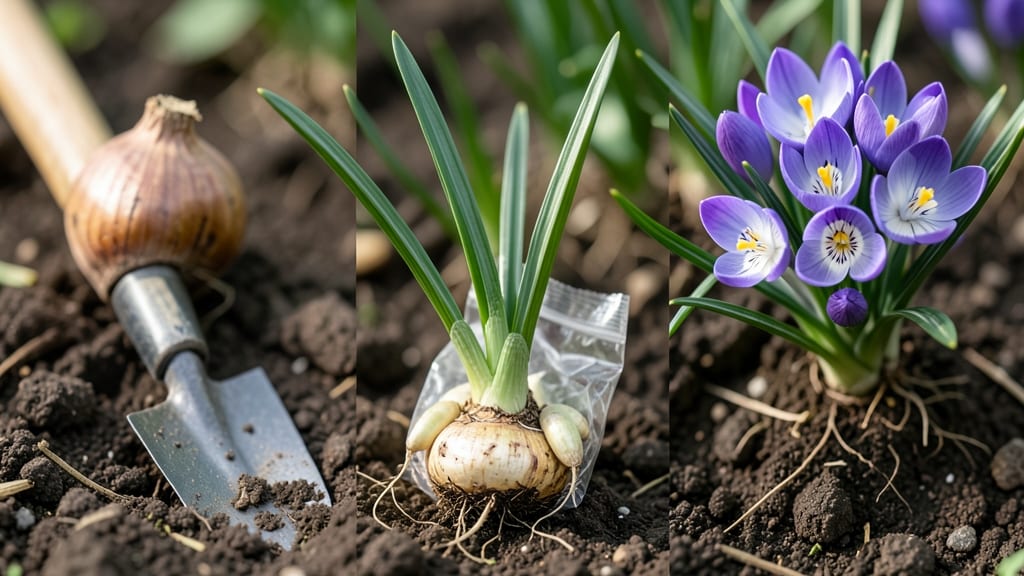
Crocus bulbs multiply naturally over time by producing offsets that form clusters underground. With proper care, they can double in number every 2-3 years, though growth slows in older bulbs or shaded conditions. Division every 3-5 years helps maintain vigor and bloom quality.
Crocus bulbs multiply through a fascinating underground process where each mature bulb grows smaller "baby" bulbs called offsets. 🌱 These offsets gradually develop their own roots and nutrient stores, eventually becoming independent bulbs ready for transplant.
The key to faster multiplication lies in providing well-draining soil with plenty of organic matter—think compost or aged manure—and ensuring they get at least six hours of sunlight daily.
I've noticed that crocuses planted in full sun not only bloom more vigorously but also produce offsets more consistently than those in partial shade.
What many gardeners don't realize is that crocus bulbs actually go through a natural dormancy cycle each year. During their resting period, they're storing energy underground rather than growing. This is why you might not see visible multiplication until the second or third year after planting.
The best time to check for new offsets is in late summer when the foliage has completely died back—this is when the bulbs are most active in preparing for next year's growth.
For those eager to speed up the process, dividing clumps every 3-5 years is crucial. When you lift a mature clump, you'll often find 5-10 smaller bulbs clustered around the original one.
Replanting these offsets gives them space to grow independently, which leads to healthier blooms and more prolific multiplication in subsequent years. Just be gentle when handling them—those delicate roots don't appreciate rough treatment!
💡 In This Article
- How Crocus Bulbs Reproduce Underground
- Tips to Encourage Faster Crocus Bulb Growth
How crocus bulbs reproduce underground
Crocus bulbs multiply through a biological process called offset formation, where each mature bulb grows smaller "baby" bulbs called offsets. These offsets develop from the bulb's base during the growing season, forming tight clusters underground.
The process begins when the parent bulb stores energy in its scales during spring growth, then diverts some of that energy toward creating new growth points. This is why you often see a ring of smaller bulbs forming around the original one—each one is a potential future plant!
The multiplication rate depends heavily on environmental conditions. Crocus bulbs thrive in well-draining soil with a pH between 6.0-7.0, which allows their roots to access both water and oxygen efficiently. In ideal conditions—full sun exposure and 60-70°F soil temperatures—they can produce 3-5 offsets per bulb annually.
However, in shaded areas or poor soil, this number drops significantly, sometimes to just 1-2 offsets. The bulbs also rely on their dormancy cycle: after blooming in early spring, they enter a resting phase where all energy goes toward storing nutrients for next year's growth.
What's fascinating is how these offsets mature. Each new bulb must develop its own root system and nutrient reserves before becoming independent. This takes about 1-2 years, which explains why you might not see visible multiplication until the second growing season.
The bulbs' ability to store starches in their scales during dormancy is what makes this possible—they essentially "bank" energy for future growth, similar to how a squirrel stores nuts for winter.
Sunlight plays a critical role in this process. Crocus bulbs need at least 6 hours of direct sunlight daily to photosynthesize through their foliage, which fuels offset production.
In my experience, bulbs planted in full sun areas not only bloom more prolifically but also produce 20-30% more offsets than those in partial shade. The foliage acts like solar panels, converting light into energy that gets redirected underground to the developing offsets.
Seasonal timing matters too. The best time to observe offset formation is in late summer, after the foliage has completely yellowed and died back. This is when the bulbs are most active in preparing for next year's growth.
If you lift a bulb during this period, you'll often find a cluster of pea-sized offsets attached to the parent bulb—each one a potential future flower. The key is to wait until the foliage has fully senesced before disturbing the bulbs, as this ensures they've completed their energy storage process.
One common misconception is that crocus bulbs multiply quickly like daffodils or tulips. While they do increase in number, the process is more gradual.
Younger bulbs (1-2 years old) may only produce 1-2 offsets annually, while mature bulbs (3+ years old) can double their numbers every 2-3 years under optimal conditions.
The multiplication rate naturally slows as bulbs age, which is why division every 3-5 years helps maintain vigor and bloom quality.
For gardeners eager to see faster results, the secret lies in creating ideal growing conditions. This means amending the soil with compost or aged manure to improve drainage and nutrient availability, and ensuring the planting area gets plenty of sunlight.
With these conditions met, you'll start seeing those telltale clusters of offsets forming underground—proof that your crocuses are thriving and preparing for years of beautiful spring blooms! 🌸