
How To
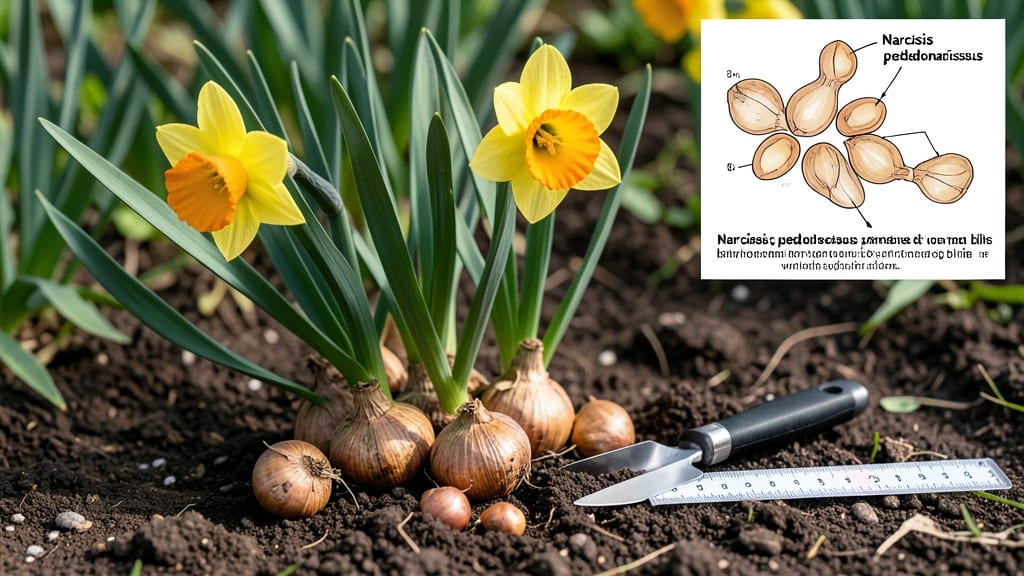
Daffodil bulbs do multiply over time, creating smaller daughter bulbs called offsets that form around the parent bulb each growing season. With proper care—like well-drained soil and consistent moisture—you can expect 3-5 new bulbs after about 3 years, though some varieties reproduce faster than others.
This natural propagation happens because daffodils store energy in their bulbs during dormancy, which fuels the growth of new offsets. 🌱 The process speeds up in ideal conditions—think loose, sandy soil that drains well and isn't waterlogged.
Some gardeners notice their clumps double in size every 2-3 years, especially with varieties like 'Ice Follies' or 'Tête-à-Tête,' which are known for their aggressive growth habits. The key is patience: those tiny offsets need 1-2 seasons to mature before they're ready to bloom on their own.
What's interesting is how the parent bulb "sacrifices" some of its energy to feed these new growths. This is why dividing established clumps every 3-5 years isn't just about aesthetics—it prevents the center from becoming bare while the outer bulbs take over.
Think of it like giving your daffodils a fresh start in their own space, which often results in bigger, healthier blooms the following spring.
💡 In This Article
- How Daffodil Bulbs Reproduce Underground
- When and How to Divide Daffodil Bulbs for Maximum Growth
How daffodil bulbs reproduce underground
Daffodil bulbs multiply through a fascinating underground process where the parent bulb produces smaller "daughter" bulbs called offsets. This happens during the growing season when the parent bulb stores energy in its basal plate—the flat bottom where roots emerge.
That stored energy fuels the growth of new shoots and, eventually, offsets. Think of it like a biological cloning system where the parent bulb invests its resources to create genetically identical clones around itself.
The timing of this reproduction is tied to the daffodil's natural dormancy cycle. Offsets begin forming in early spring when the parent bulb sends up its flower stem and leaves. These offsets grow slowly at first, developing their own root systems while still connected to the parent.
By late summer or early fall, they've matured enough to detach and become independent bulbs. 🌱 The rate of multiplication varies by variety—some like 'Tête-à-Tête' can produce 5-10 offsets per bulb in ideal conditions, while others might yield just 1-2.
Soil conditions play a crucial role in this process. Daffodils thrive in well-drained soil with a pH between 6.0 and 7.0, which allows oxygen to reach the roots and prevents rot. The offsets need this same environment to develop properly.
Too much moisture or compacted soil can stunt their growth, while loose, sandy soil encourages rapid multiplication. Nutrient availability matters too—bulbs need consistent access to phosphorus and potassium during their growing phase to fuel offset production.
Seasonal dormancy is another key factor. After blooming, daffodils enter a resting period where they focus all energy on bulb development rather than flowering. This is when offsets grow most rapidly, often doubling in size before winter.
The cooler temperatures and reduced watering during dormancy help concentrate the bulb's energy into producing stronger offsets for the next season. Some gardeners even mimic this natural cycle by reducing water after flowering to encourage better bulb division.
What's often surprising is how some varieties multiply faster than others. For example, 'Ice Follies' daffodils are known for their aggressive growth habits, often creating dense clumps of 20+ bulbs within 3-4 years. This happens because they've been selectively bred for vigorous underground reproduction.
In contrast, smaller varieties like 'Minerva' multiply more slowly but still produce reliable offsets. The key difference lies in their genetic growth patterns and how efficiently they allocate energy between flowering and bulb production.
One common misconception is that all daffodil bulbs multiply at the same rate. In reality, the process depends on several factors: the bulb's age (younger bulbs multiply faster), the variety's genetic traits, and growing conditions.
A 5-year-old bulb might produce 3-5 offsets annually, while a 10-year-old bulb could yield 1-2 as its energy focus shifts toward maintaining its own vigor rather than reproduction. This is why gardeners often divide older clumps—they're less productive at creating new bulbs.
Understanding this underground reproduction helps explain why some gardeners end up with hundreds of daffodils after just a few years.
The process is nature's way of ensuring the plant's survival through propagation, and with proper care, you can harness this natural tendency to create stunning displays of spring color year after year. 🌸