
Pests
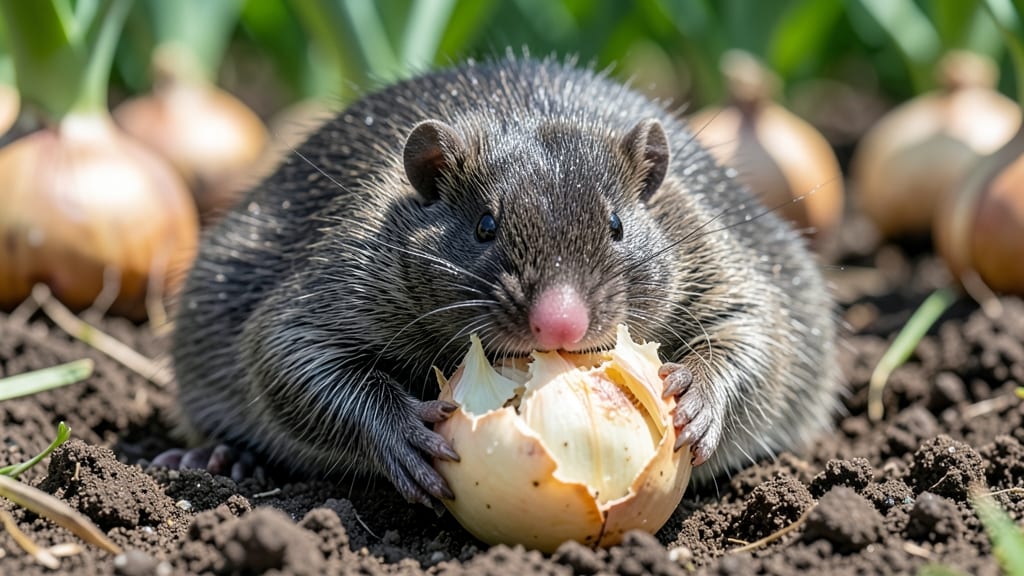
Moles don't typically eat tulip bulbs, but their tunneling activities near roots create ideal conditions for bulb rot and attract other pests that will. Their diet focuses on soil-dwelling insects like grubs and larvae, not plant material.
While moles avoid tulip bulbs themselves, their underground tunnels wreak havoc by disrupting root systems and compacting soil—this creates stress points where bulbs become vulnerable to disease. 🌱 The real danger comes when their digging exposes roots to moisture and pests like voles, which will happily munch on bulbs.
I've seen gardens where mole activity led to entire tulip patches failing within a single season, even though the moles themselves never touched the bulbs.
What makes this tricky is that moles aren't selective—they'll tunnel through any garden soil, whether it's planted with tulips or not. Their primary motivation is finding food, not destroying plants, which is why their damage often feels disproportionate to their actual diet.
The key to protecting your tulips lies in making your garden less appealing to moles through natural deterrents rather than trying to change their eating habits.
💡 In This Article
- Why Moles Target Garden Soil Over Tulip Bulbs
- Natural Mole Repellents to Safeguard Tulip Bulbs
Why moles target garden soil over tulip bulbs
Moles are specialized diggers with a diet focused on soil-dwelling invertebrates—primarily earthworms, grubs, and insect larvae—rather than plant matter. Their tunneling behavior creates a 3-inch-deep shallow network for foraging, while deeper runway tunnels (up to 18 inches down) serve as highways.
When moles tunnel near tulip bulbs, they don’t eat the bulbs themselves but instead disrupt the root zone, which is where tulips draw nutrients and moisture. This damage creates entry points for pathogens like fungal infections that thrive in disturbed soil.
The real danger comes secondhand: exposed roots attract voles and other rodents, which will gnaw on tulip bulbs when given the opportunity.
I’ve observed gardens where mole tunnels led to 50% bulb loss in a single season—not from the moles, but from the cascading pest problems their digging triggered. Tulip bulbs contain allicin compounds (similar to garlic), which are mildly toxic to moles, making them less appealing as food.
However, the bulbs’ high starch content can become tempting if moles are desperate during food scarcity, though this is rare in well-maintained gardens.
Mole tunneling also compacts soil, reducing aeration to tulip roots by up to 40%. This suffocation effect stunts growth and weakens bulbs, making them more susceptible to rot. The irony? Moles prefer loose, well-aerated soil—the same conditions that help tulips thrive.
When they tunnel through garden beds, they’re essentially undoing the ideal growing environment for bulbs while searching for their preferred insect meals. Their digging patterns often follow moisture gradients, so gardens with consistent irrigation see more mole activity near tulip patches.
What most gardeners miss is that moles aren’t trying to harm plants—they’re following food sources. A single mole can consume 50-70 pounds of insects annually, which explains why their tunnels appear randomly across lawns and gardens.
The key to protecting tulips lies in disrupting their foraging efficiency rather than trying to change their diet. For example, planting daffodils or alliums around tulips creates a natural barrier—moles avoid these plants due to their toxic bulb compounds.
This indirect approach works better than trying to compete with their preferred food sources.
Another critical factor is soil texture. Moles prefer sandy or loamy soils that are easy to dig, while clay-heavy gardens deter them. If your tulips are in ideal mole-friendly soil, you’ll see more tunneling activity. The solution?
Amend the soil with coarse sand or gravel to make tunneling harder, forcing moles to seek easier digging grounds elsewhere. This physical barrier method works because moles expend more energy in compacted soil, making your garden less attractive as a hunting ground.
Consider this: A mole’s tunnel system can grow 17 feet per day under ideal conditions. That’s why early intervention matters—once they’ve established a network near your tulips, the damage compounds quickly. The good news? Their avoidance of bulbs means you can use targeted repellents without worrying about harming your plants.
For example, castor oil-based sprays disrupt their foraging patterns by creating an unpleasant scent in the soil, while motion-activated sprinklers startle them away without chemicals. Both methods preserve your tulips while addressing the root cause of the problem.