
Pests
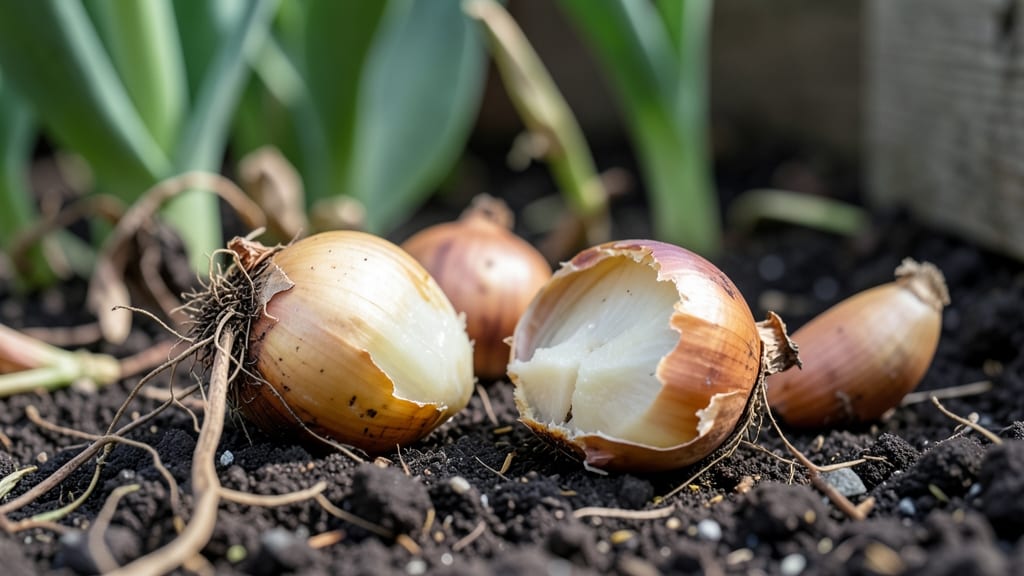
Squirrels do eat tulip bulbs, digging them up to consume the starchy interior, which provides essential nutrients during late winter and spring when food is scarce. Their foraging can destroy entire tulip beds overnight.
These rodents are drawn to tulip bulbs because they're packed with carbohydrates that help squirrels store energy for hibernation. 🌱 During spring, when natural food sources like nuts and seeds become plentiful, the damage often peaks as squirrels prepare for breeding season.
I've seen entire gardens transformed overnight—what looked like healthy bulbs one morning could be completely unearthed by dusk.
What makes this particularly frustrating is that squirrels aren't just nibbling—they're completely excavating the bulbs. This means even if the bulb isn't eaten, the plant won't emerge in spring because the growing point has been destroyed.
The good news? There are proven strategies to protect your investment, from physical barriers to natural deterrents that work without harming wildlife.
💡 In This Article
- Why Squirrels Target Tulip Bulbs
- Effective Ways to Protect Tulip Bulbs from Squirrels
Why squirrels target tulip bulbs
Tulip bulbs are essentially nature's energy bars for squirrels, packed with complex carbohydrates that provide quick fuel during their most demanding seasons. 🌱 A single bulb contains roughly 20-30% starch content, comparable to a small potato, which is why squirrels prioritize them when natural food sources dwindle.
This nutritional value becomes especially critical during late winter when squirrels have relied on stored nuts but still need energy reserves for mating season.
The digging behavior itself is a fascinating survival strategy. Squirrels possess Zygodactyl feet—two toes facing forward and two backward—which give them exceptional digging precision. They can excavate a 3-inch-deep hole in just 2-3 minutes, exposing the bulb's basal plate where the most concentrated nutrients reside.
What's surprising is how selective they are: studies show squirrels will often bypass daffodil bulbs (which contain toxic lycorine) but target tulips because their chemical profile lacks these defensive compounds.
Seasonal timing plays a crucial role in this behavior. Peak tulip bulb consumption occurs in February through April, coinciding with when squirrels are preparing for both hibernation and breeding.
The bulbs' high water content (about 70-80% by weight) also makes them easier to transport and consume than dry nuts, giving squirrels a 2:1 energy-to-effort ratio compared to other food sources. This efficiency explains why they'll return night after night to the same garden.
Interestingly, this behavior serves an ecological purpose beyond individual survival. By redistributing bulbs through their foraging, squirrels actually contribute to tulip propagation in some cases—though they typically consume the bulb entirely rather than planting it elsewhere.
The trade-off for gardeners is that this natural process often results in 30-50% bulb loss in unprotected beds, which can be devastating for bulb collectors who invest in expensive hybrid varieties.
What most gardeners don't realize is that squirrels develop memory maps of their favorite digging locations. Once they discover a productive tulip bed, they'll return to the same spot year after year, creating visible "digging paths" that reveal their foraging patterns.
This spatial memory is so precise that some squirrels can locate bulbs buried up to 12 inches deep using scent and texture cues alone. 🐿️
The irony is that tulips themselves evolved some defenses against bulb predators, including bitter-tasting compounds in their outer scales. However, these natural deterrents are often insufficient against determined squirrels, particularly when food is scarce.
The bulbs' soft, fleshy texture when fresh makes them irresistibly easy to consume compared to harder nuts or seeds that require more energy to process.