
How To
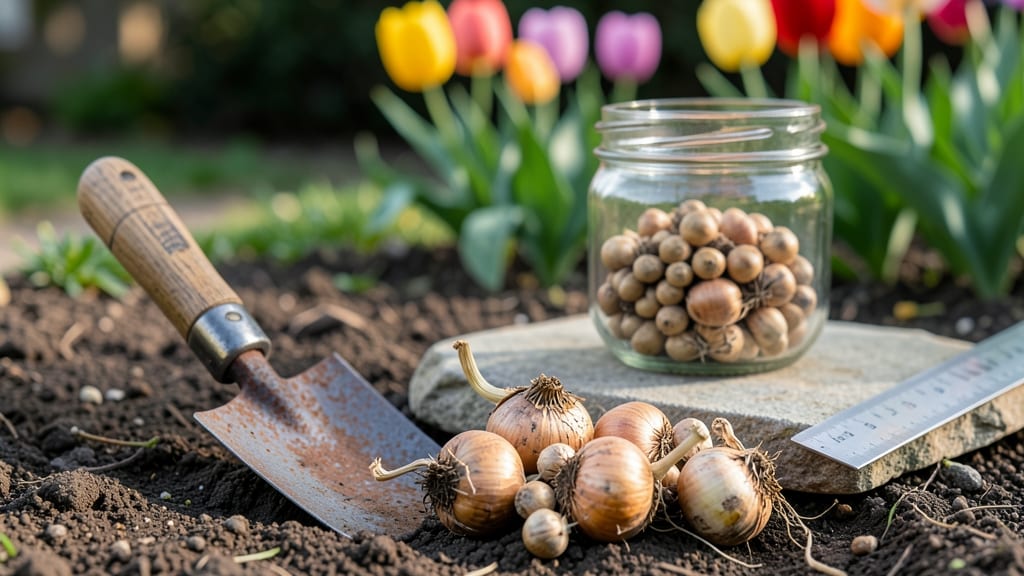
Tulip bulbs do multiply naturally through offsets—small bulbs that develop around the parent bulb—typically producing 3-5 new bulbs per mature bulb over 3-5 years, though hybrid varieties often multiply less reliably than species tulips. Dividing bulbs every 3-5 years encourages stronger blooms and prevents overcrowding.
Tulip bulb multiplication happens when the parent bulb diverts energy to produce these tiny offsets, which are essentially baby bulbs. 🌱 The process depends on several factors: soil quality, sunlight exposure, and even the specific tulip variety.
Species tulips like Tulipa fosteriana are known for their prolific offset production, while many hybrids focus more energy on flowering rather than reproduction. This is why you might see fewer new bulbs from your favorite garden tulips compared to their wild relatives.
Understanding this natural cycle helps gardeners plan ahead. When you notice your tulips flowering less vigorously or see the foliage thinning, it's often a sign the bulbs have become overcrowded. That's your cue to dig them up, separate the offsets, and give each bulb its own space to thrive.
This simple act can transform a struggling patch into a vibrant display of blooms year after year.
💡 In This Article
- How Tulip Bulb Offsets Form and Grow
- When and How to Divide Tulip Bulbs for Best Results
How tulip bulb offsets form and grow
Tulip bulb multiplication begins when the parent bulb enters dormancy after flowering. During this phase, specialized cells in the bulb's basal plate start dividing rapidly, forming tiny bulbils or offsets around the main bulb. These offsets are essentially miniature versions of the parent, complete with their own nutrient reserves.
The process relies heavily on photosynthesis from the tulip's leaves—those green stems work overtime to convert sunlight into energy that fuels both the current season's bloom and the next generation of bulbs.
Not all tulips multiply at the same rate. Species tulips like Tulipa greigii or Tulipa clusiana often produce 5-7 offsets per bulb over 3-5 years, while many hybrid garden varieties focus their energy on producing showy blooms instead.
This difference comes down to selective breeding: gardeners prioritized flower size and color over reproductive vigor. The soil plays a crucial role too—well-draining, nutrient-rich soil with pH between 6.0-7.0 encourages faster offset growth, while heavy or waterlogged soil can stunt development.
You can actually see the multiplication process unfold in your garden. After the tulips finish blooming, the foliage turns yellow and begins to wither. This is when the plant's energy shifts underground.
If you gently dig up a mature bulb after 6-8 weeks of dormancy, you'll often find 1-3 small offsets attached to the base. These baby bulbs typically measure 1-2 inches in diameter when first formed, growing larger each subsequent season as they store more nutrients.
One fascinating detail is how offsets mature. Each new bulb must reach a diameter of at least 1.5 inches before it can flower on its own. This takes about 2-3 years of growth, which explains why many gardeners don't see new blooms from offsets until their second or third spring.
The larger the offset when separated, the sooner it will bloom—this is why experienced gardeners recommend waiting until offsets are at least 1 inch wide before dividing.
Light exposure also affects multiplication rates. Tulips planted in full sun (6+ hours daily) produce more offsets than those in partial shade. The extra sunlight boosts photosynthesis, giving the plant more energy to allocate toward bulb production.
Interestingly, some gardeners report that tulips in container gardens multiply faster than those in ground beds because containers warm up more quickly in spring, stimulating earlier growth.
What most gardeners don't realize is that the flowering cycle itself impacts multiplication. Tulips that produce larger, more abundant blooms often sacrifice offset production—this is why your prized Darwin Hybrid tulips might not multiply as readily as a wild species tulip.
The plant's energy budget is a zero-sum game: more energy to flowers means less to bulblets, and vice versa.