
Plants
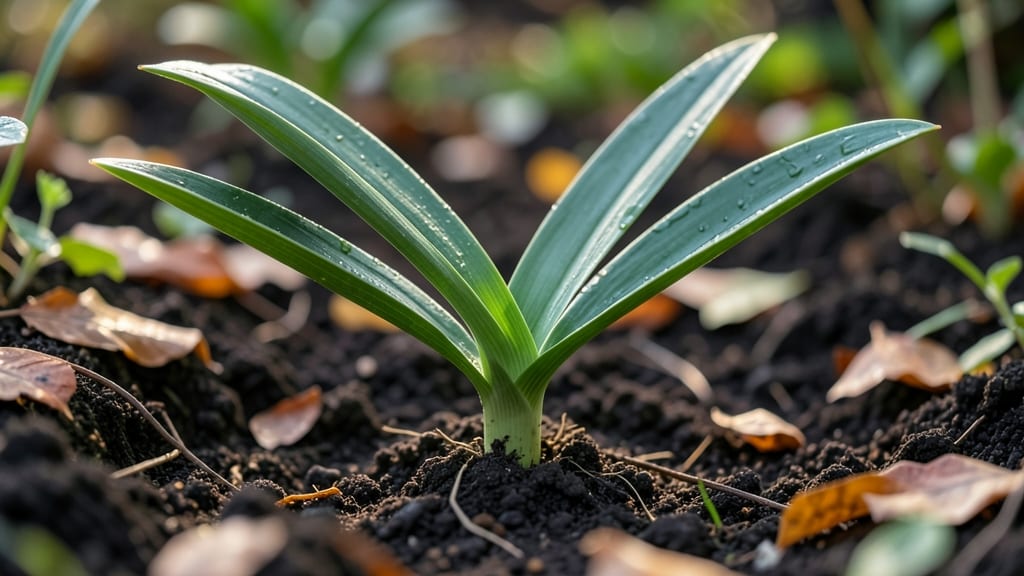
Struggling to identify plants sprouting from bulbs in your garden? This visual guide helps gardeners recognize common bulb plants early—before they bloom—so you can nurture them correctly and avoid misidentification.
Tulip Bulbs Identification by Leaf Shape
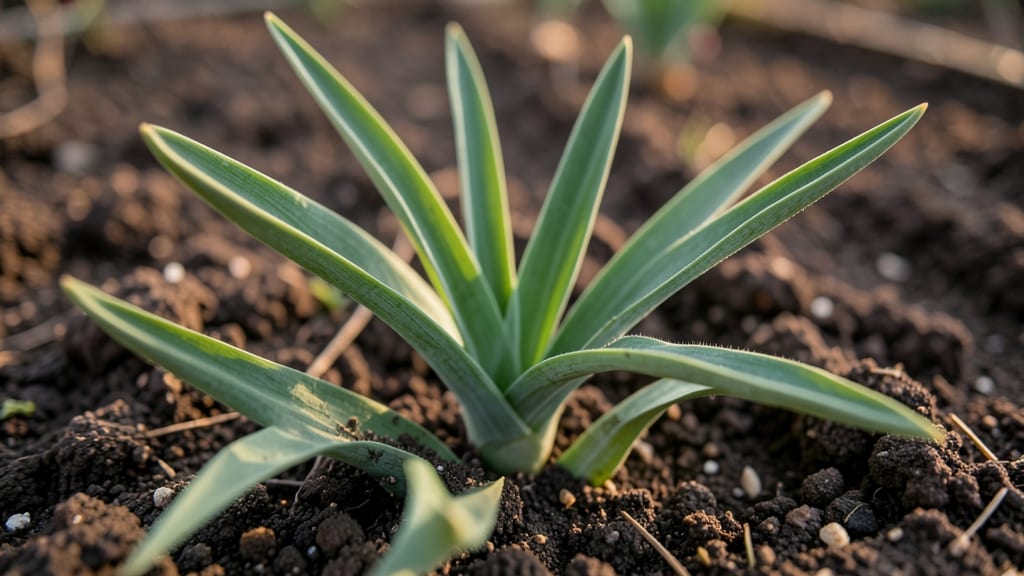
Before tulips burst into color, their leaves reveal their identity—if you know what to look for. Tulip bulbs produce lance-shaped leaves with fine, almost hair-like edges and a basal rosette pattern, forming a neat circle at the soil line. This early-stage clue helps you distinguish them from daffodils (which have thick, sword-like leaves) or hyacinths (with fan-shaped sprouts).
Look for the smooth, glossy texture of tulip leaves and note their parallel veins running lengthwise. These leaves emerge in early spring, often before other garden plants, making them a reliable early indicator. If you spot a single central leaf instead, it’s likely a daffodil—tulips always grow in symmetrical pairs or clusters. This trick works even when bulbs are still dormant underground!
Mastering this skill saves time and prevents accidental removal of tulips before they bloom. Perfect for beginner gardeners or anyone who’s ever pulled up a tulip thinking it was a weed. 🌱
Daffodil Bulbs Visual Clues Before Blooming
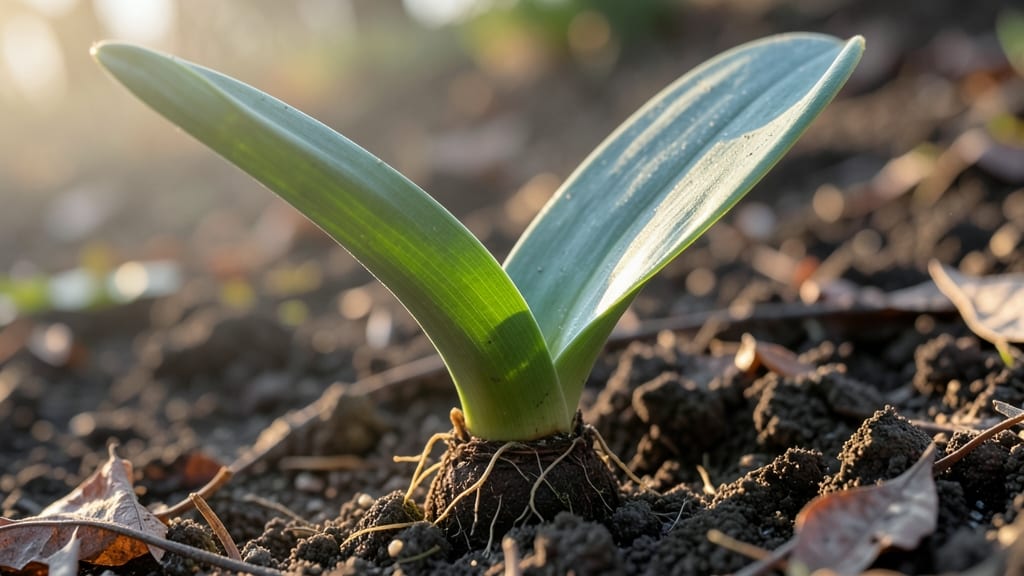
If you’ve ever spotted thick, sword-like leaves emerging in early spring but weren’t sure whether they’re daffodils or something more dangerous, you’re not alone. Daffodils reveal themselves early with a single central leaf that’s broader and more robust than look-alikes, making it easier to confirm their identity before flowers appear.
The key to spotting daffodil bulbs is their parallel-veined, strap-shaped leaves that grow directly from the bulb. Unlike toxic snowdrops or onions, daffodils produce one dominant leaf at first, with additional leaves forming later in a fan shape. This distinct growth pattern helps you avoid accidental poisoning—especially important if you have pets or children exploring the garden.
Gardeners who prioritize early identification will appreciate this trick, as it saves time and effort by letting you focus care on the right plants. Plus, recognizing daffodils early means you can protect them from slugs or deer before they bloom. 🌟
Hyacinth Bulbs by Sprout Growth Pattern
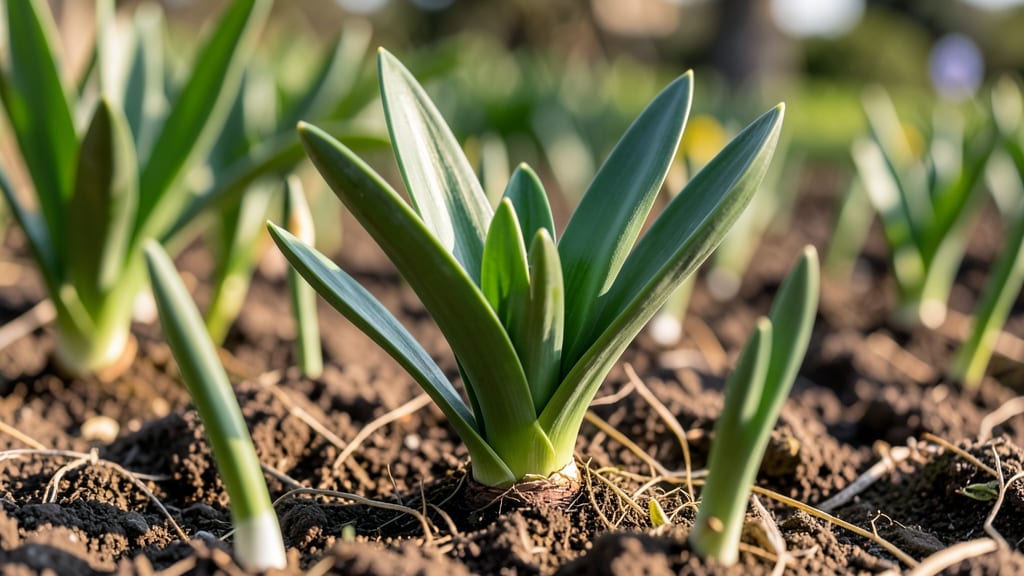
If you’ve ever mistook a hyacinth sprout for an onion or garlic plant, you’re not alone—these fan-shaped leaves grow fast and can look deceivingly similar in early stages. The key difference? Hyacinths emerge in tight clusters with glossy, dark green foliage that unfurls rapidly, while onion or garlic leaves appear more elongated and spread out.
Look for the distinctive fan shape of hyacinth leaves, which grow in a rosette pattern close to the ground. Unlike edible bulbs, hyacinth sprouts often appear within 2-3 weeks of planting and can reach 6-12 inches tall before flowering. Their rapid growth and clustered arrangement make them stand out—especially in early spring when other bulbs are still dormant.
This early identification is a game-changer for gardeners who want to protect their hyacinths from accidental weeding or confusion with kitchen herbs. Once you spot those glossy, fan-shaped leaves, you’ll never mistake them again! 🌱
Allium Bulbs Identification by Umbrella Leaves
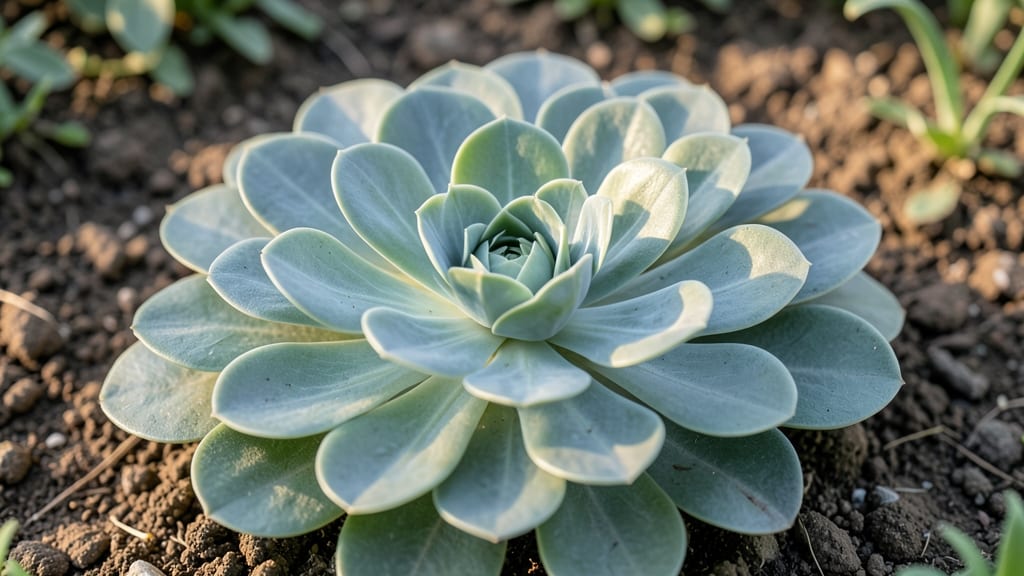
If you’ve ever spotted a cluster of round, flat leaves in your garden and wondered whether it’s an allium bulb or something else, look no further. Ornamental alliums—like the popular Allium giganteum or Allium schubertii—develop umbrella-like basal leaves that form a neat circular pattern, making them easy to distinguish from chives or onions before they even bloom.
These leaves emerge in early spring as smooth, deep green rosettes that spread outward in a flat, almost symmetrical shape. Unlike chives (which have slender, grass-like blades) or onions (which form a tighter, more elongated cluster), allium leaves spread wider and flatter, resembling a miniature onion top. This unique pattern is your key to early identification—simply look for that circular arrangement when leaves are just 2-3 inches tall.
This trick is especially helpful for gardeners who want to avoid confusing alliums with edible plants or toxic look-alikes. Once you spot those round, flat leaves, you’ll know it’s time to give them space to thrive—because these beauties will reward you with dramatic, globe-shaped blooms later in the season. 🌟
Crocus Bulbs by Tiny Basal Plates
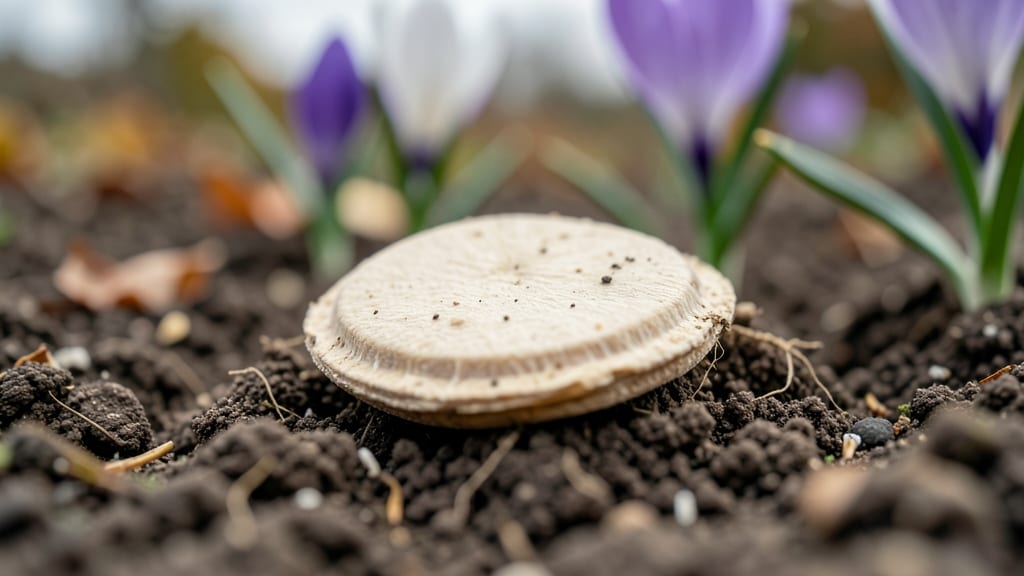
Want to spot crocus bulbs before their stunning purple or white blooms appear? Look no further than their distinctive tiny basal plates—flat, disc-like structures that hug the soil and serve as the plant's foundation.
These basal plates are often overlooked but are your best clue, paired with their narrow, grass-like leaves that emerge in early spring. Unlike other bulbs, crocus leaves are slender and grow in a tight cluster, making them easy to distinguish from broader foliage. The key is to check for these flat, plate-like structures when you see slender green shoots poking through the soil.
This identification trick is perfect for gardeners eager to protect their early bloomers from hungry critters or accidental digging. Once you know what to look for, you'll spot crocus sprouts before anyone else in the neighborhood. 🌱
Lily Bulbs by Large, Strap-Like Leaves
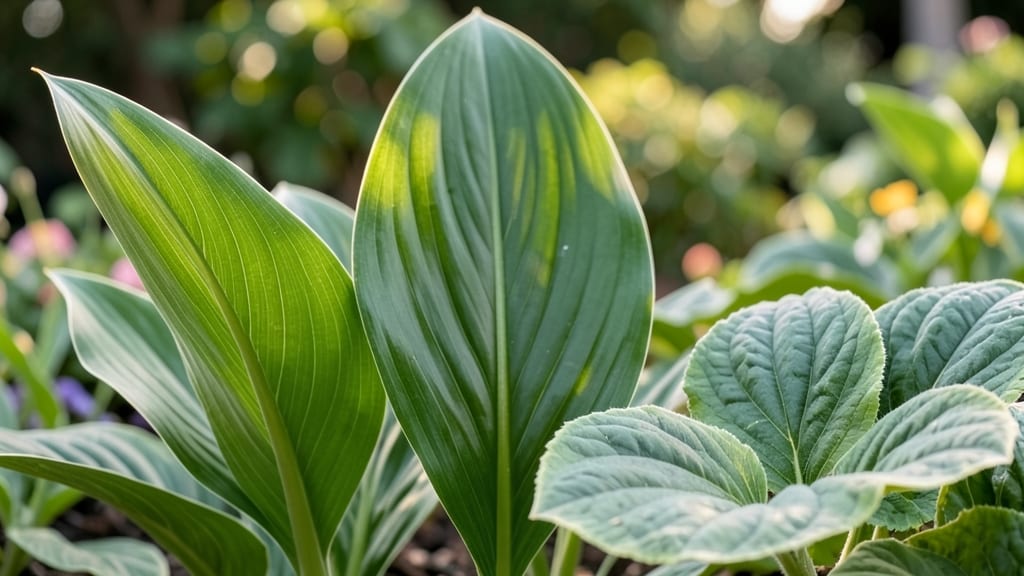
Confused between lilies, daylilies, and hostas? The key lies in their leaves—lilies have broad, strap-shaped leaves with a prominent midrib (central vein) that looks like a raised spine. Daylilies and hostas have completely different leaf structures, making this a game-changer for accurate identification.
Look for dark green, glossy leaves that emerge from the base in a fan-like pattern, often appearing before flowers. Unlike daylilies (which have grass-like leaves) or hostas (with rounded, heart-shaped leaves), lilies’ leaves are long, sword-like, and hollow. This distinction helps you avoid planting the wrong bulb in the wrong spot.
This trick is especially useful for gardeners who want to spot lilies early in the season, giving you a head start on staking or mulching for healthy blooms. 🌱
Snowdrop Bulbs by Drooping Flower Buds
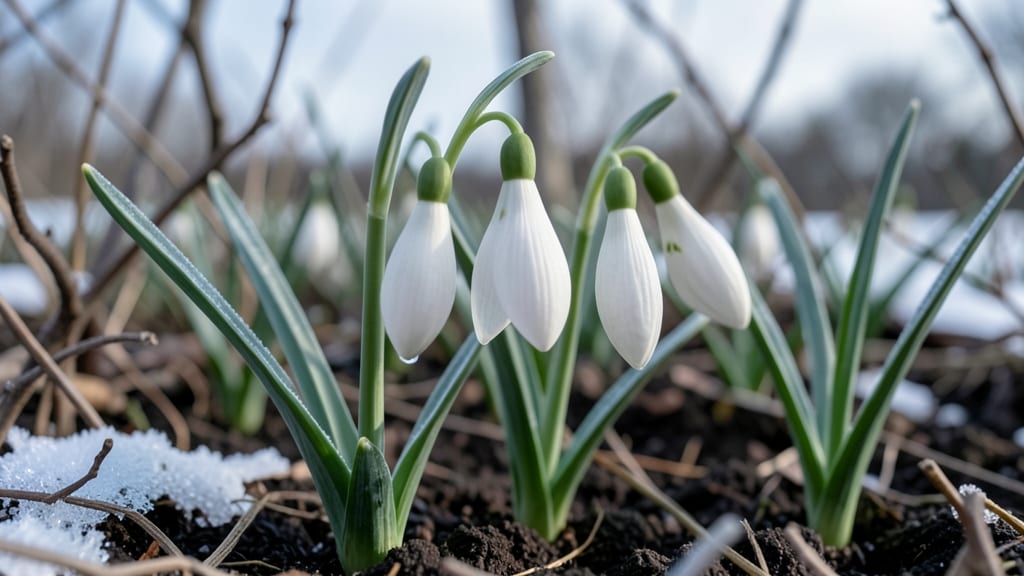
Winter gardeners, rejoice! While other bulbs are still dormant, snowdrops reveal their secret with drooping flower buds that hang like tiny teardrops before blooming. This unique feature makes them one of the easiest early-season bulbs to spot—even when the ground is still cold.
Look for their narrow, grass-like leaves that emerge first, followed by those distinctive buds that point downward. Unlike daffodils or tulips, snowdrops don’t wait for spring—they often bloom in late winter, signaling that warmer days are coming. Plant them in partial shade for best results, and you’ll have cheerful white blooms when few other plants are awake. 🌱