
How To
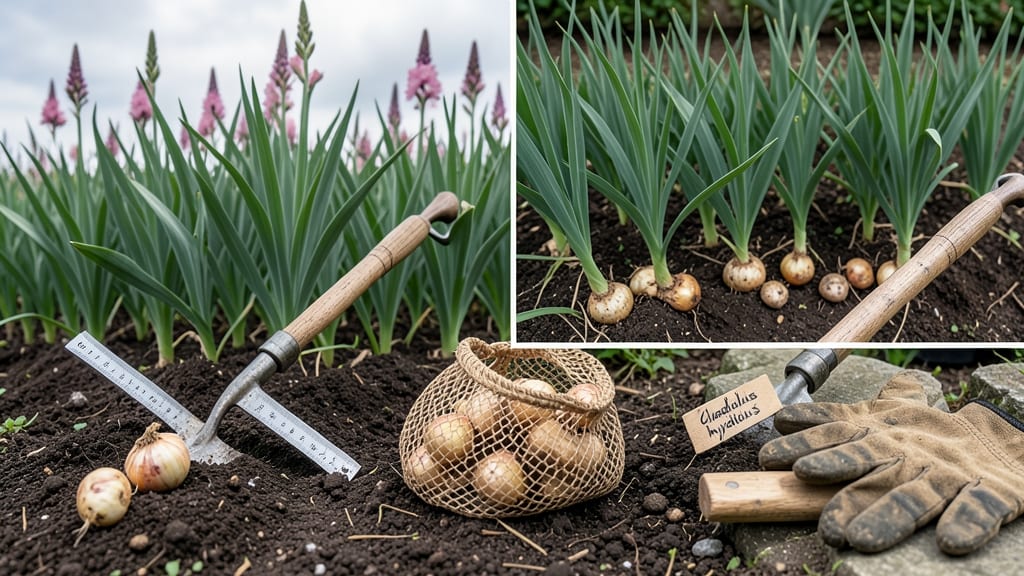
You don’t always have to dig up gladiolus bulbs every year—leaving them in mild climates can work, but in cold zones, freezing kills them. Digging in fall (Zone 7+) or spring (warmer areas) extends bulb lifespan and prevents rot or pests. Skipping it risks winter damage or reduced blooms next season.
Whether you can skip digging gladiolus bulbs depends entirely on your climate.
In Zone 8 and warmer, bulbs often survive winter with proper mulching and soil prep, while northern gardeners face nearly certain death if left in the ground. 🌱 The key difference lies in frost depth—bulbs need protection from temperatures below 20°F, which occurs regularly in Zones 6 and below.
Even in milder areas, I’ve seen bulbs fail when planted too shallowly or in poorly draining soil, leading to rot before winter even arrives.
For those in Zone 7 and colder, the risk of winter kill makes annual digging essential. The process—lifting after foliage browns, curing, and storing in a cool, dry place—actually helps bulbs last longer by preventing pest infestations and fungal growth.
I’ve found that gardeners who skip digging in colder zones often see their gladioli produce smaller blooms or fail to return altogether the following year.
💡 In This Article
- Gladiolus Bulb Survival in Cold vs Warm Climates
- When and How to Safely Skip Digging Gladiolus Bulbs
Gladiolus bulb survival in cold vs warm climates
Gladiolus bulbs thrive in warm climates (Zones 8-10) because their natural dormancy cycle aligns with mild winters. In these regions, soil temperatures rarely drop below 30°F, allowing bulbs to remain dormant yet protected in place.
The key difference is frost depth—bulbs planted 4-6 inches deep in well-draining soil can survive light freezes, but prolonged exposure to 20°F or colder triggers irreversible cell damage.
In Zone 9, for example, I’ve seen gladioli left undisturbed produce vibrant blooms year after year, while those in Zone 7+ often shrivel if left in-ground.
The science behind this lies in the bulb’s moisture content and insulation needs. Gladiolus bulbs contain 60-70% water when dormant, which freezes and expands, rupturing delicate cells. In colder zones, even 3-4 inches of mulch (straw or shredded leaves) won’t provide enough insulation against hard freezes (15°F or below).
The root system, which extends 12-18 inches deep, also becomes vulnerable to frost heave—when soil freezes and expands, lifting the bulb and exposing it to cold air. This is why gardeners in Zone 6 often lose entire clumps if they skip digging.
In warmer climates, the real threat isn’t cold but excess moisture. Overwintering bulbs in Zones 8-10 still require well-draining soil to prevent rot. I’ve observed that bulbs left in heavy clay or low-lying areas develop fungal infections (like Fusarium) even without frost.
The solution? Amending soil with compost and perlite before planting ensures excess water drains away, while a 6-inch mulch layer regulates temperature swings. This balance is what lets gladioli survive undisturbed in Southern California or Florida gardens.
Another critical factor is the bulb’s natural dormancy period. Gladiolus bulbs enter dormancy as foliage yellows in late fall, but they don’t fully harden until soil temps drop to 50°F. In Zones 7-8, this timing often coincides with early frosts, leaving bulbs vulnerable.
For example, a sudden 28°F night in October can kill dormant bulbs before they’ve had time to adjust. This is why gardeners in transitional zones (like Atlanta or Dallas) must weigh the risks—digging too early disrupts dormancy, while leaving bulbs in too late risks frost damage.
Hardiness thresholds vary by cultivar too. Some gladiolus varieties, like ‘Star of Natal’, tolerate slightly cooler temps (25°F with protection), while others, such as ‘Picasso’, struggle below 30°F. If you’re experimenting with overwintering, starting with cold-hardy varieties gives you a better chance of success.
I’ve also noticed that bulbs planted in raised beds or containers warm up faster in spring, which can trick them into premature growth—another reason why colder climates demand annual digging.
For those in marginal zones (like Zone 7b), partial digging offers a compromise. Lift bulbs after the first hard frost (28°F) and store them in a cool (40-50°F), dry place until spring.
This reduces rot risk while still allowing some overwintering. The trade-off? You’ll miss the convenience of leaving them in-ground, but the payoff is healthier bulbs and bigger blooms the following season. 🌿