
How To
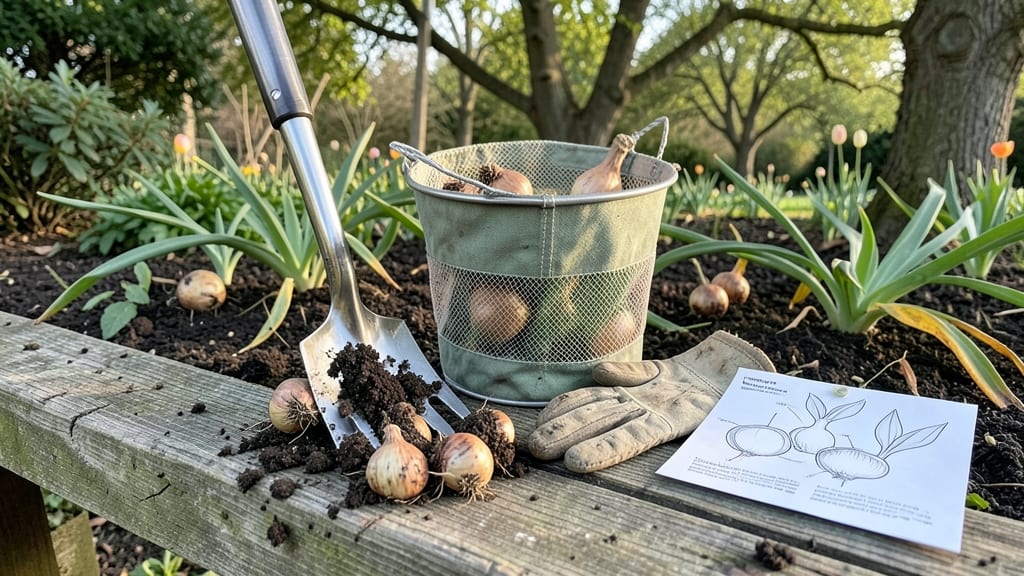
You do have to dig up tulip bulbs every year only if they're tender varieties, like parrot or fringed tulips, which need protection from harsh winters. Hardy types, such as Darwin hybrids or species tulips, can often overwinter safely in zones 5-9 with proper mulching. Always check your local climate and bulb type before deciding.
Tulip bulbs have different survival strategies based on their hardiness. 🌱 Hardy varieties store energy efficiently through winter's chill, while tender types struggle with freeze-thaw cycles or soggy soil.
I've found that even in colder zones, Darwin hybrids often return stronger when left in place—just add a thick layer of mulch for insulation.
The key is monitoring your local climate: if winters are consistently below 20°F, tender bulbs should be lifted in late summer and stored in a cool, dry spot until replanting in fall.
For those who prefer low-maintenance gardens, species tulips are excellent choices—they thrive in naturalized beds with minimal intervention. However, if you notice bulbs becoming soft or developing mold during storage, it's a clear sign they've been compromised and should be replaced.
This approach not only saves time but also helps maintain the health of your garden ecosystem over time.
💡 In This Article
- When to Leave Tulip Bulbs in the Ground
- Step-by-Step Tulip Bulb Care for Digging vs. Leaving In
When to leave tulip bulbs in the ground
The decision to leave tulip bulbs in the ground hinges on their natural cold tolerance and your local climate conditions. Hardy varieties like Darwin hybrids or species tulips have evolved to withstand winter chill, often thriving in USDA zones 5-9 without digging.
These bulbs enter a state of dormancy where they store energy in their scales, similar to how bears hibernate—converting starches into sugars that protect cellular structures from freezing.
Soil temperature plays a critical role in bulb survival. In colder zones (20°F or lower), the ground freezes solid, creating an insulating layer that protects bulbs from extreme cold. However, in areas with freeze-thaw cycles, repeated expansion and contraction of ice crystals can damage bulb tissues.
This is why mulching with 4-6 inches of organic matter (like straw or shredded leaves) mimics natural forest floor conditions, providing consistent insulation.
Species tulips, like Tulipa tarda or Tulipa clusiana, are particularly well-suited for overwintering because they develop secondary bulbs—smaller storage organs that form around the main bulb. These act as insurance policies, ensuring at least some growth returns even if the primary bulb weakens.
In contrast, tender varieties like parrot tulips lack this adaptation and require digging to prevent fungal rot from excessive moisture during winter.
Another key factor is soil drainage. Bulbs left in place need well-draining soil to prevent waterlogged conditions that lead to rot. In heavy clay soils, amending with sand or compost creates air pockets that allow excess water to drain away.
I've seen firsthand how bulbs in poorly drained soil develop a mushy texture within weeks—even in mild winters—because anaerobic bacteria thrive in these conditions, breaking down bulb tissues.
For gardeners in transitional zones (like USDA zone 6), a hybrid approach works well: leave hardy bulbs in place while lifting tender varieties. This strategy reduces labor while maintaining garden diversity.
The trade-off? Hardy bulbs may produce slightly fewer blooms in their first year after overwintering, but they compensate with stronger growth in subsequent years as their energy reserves rebuild.
What most people overlook is how vernalization (a cold period) actually improves bulb health. Many tulips require 12-16 weeks below 40°F to break dormancy properly. Skipping this cold exposure can result in weak stems or delayed flowering—almost like skipping a good night's sleep before a big event.
This biological necessity explains why bulbs left in colder climates often outperform those stored indoors during winter.
Pro tip: Observe your local microclimate. A sheltered spot near a south-facing wall may stay 5-10°F warmer than an open garden bed, potentially allowing bulbs to overwinter where they otherwise wouldn't. This natural variation can mean the difference between digging and not digging each year. 🌱