
Watering
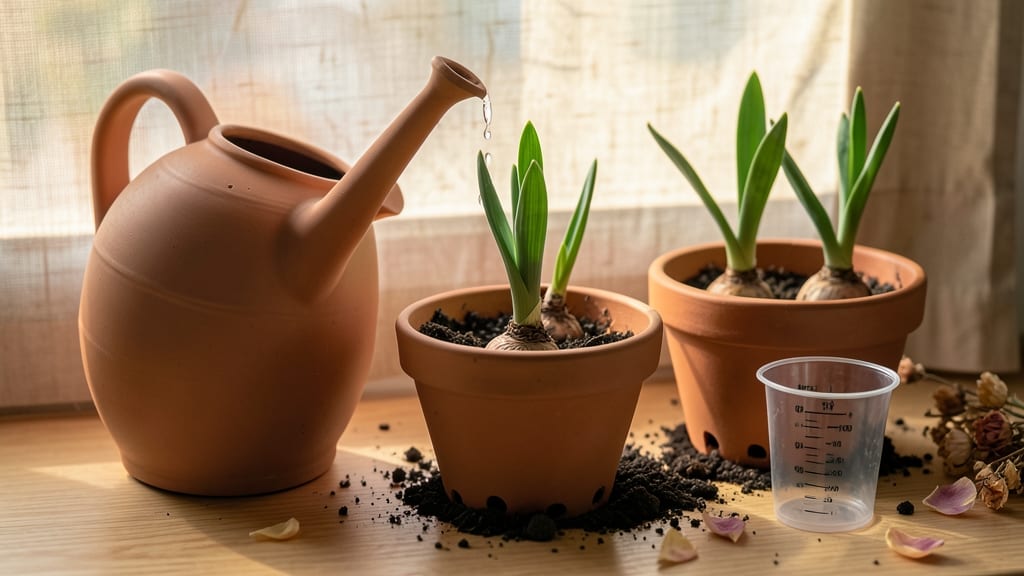
Watering tulip bulbs after planting in pots is the secret to coaxing those bright spring blooms—but do it wrong, and you risk rot or stunted growth before the flowers even appear.
Most gardeners assume a quick drink after planting is enough, but overwatering in those first critical weeks is the #1 killer of potted tulips. The truth? You should wait until the soil dries out slightly before giving them a sip—just enough to keep the roots happy without drowning them.
Here’s the step-by-step guide I’ve used for years to ensure my 🌷 tulips thrive in containers: when to water, how much, and how often—plus the telltale signs you’re doing it right (or wrong).
By the end, you’ll know exactly how to balance moisture for strong roots, vibrant blooms, and bulbs that come back year after year—no guesswork required.
When to water tulip bulbs after planting in pots: critical timing for root growth
Tulip bulbs in pots need a delicate balance of moisture right after planting. Unlike garden beds, containers dry out faster and trap excess water, making timing everything.
The first 24 hours after planting are critical—watering too soon can suffocate bulbs, while waiting too long risks dehydration. Here’s how to get it perfect.
After planting your tulip bulbs in pots, resist the urge to water immediately. The bulbs contain stored moisture, and overwatering right away can cause rot before roots even begin to establish. Instead, let the soil settle for 24-48 hours to allow any initial moisture to stabilize.
⚠️ Critical Warning: The First Watering Mistake
Overwatering immediately after planting is the #1 killer of potted tulip bulbs. Bulbs need time to adjust to their new environment, and excess moisture creates anaerobic conditions that suffocate roots. Wait 2 days before watering, even if the soil feels dry.
Signs of overwatering: Yellowing leaves, mushy soil, or moldy surface. Signs of underwatering: Wrinkled foliage or dry, crumbly soil.
Once you’ve waited 48 hours, perform the finger test to check soil moisture. Stick your finger about 1 inch deep into the soil. If it feels dry, give the pot a deep watering until water drains from the bottom. If it’s still damp, wait another day.
After the initial watering, maintain consistently moist soil without letting it become soggy. Tulip bulbs in pots need about 1 inch of water per week, but adjust based on pot size and climate. Smaller pots dry out faster, while larger containers hold moisture longer.
Pay attention to your pot’s drainage holes. Without them, water pools at the bottom, leading to root rot. If your pot lacks drainage, water sparingly and use a moisture meter to avoid over-saturating the soil. Well-draining soil is non-negotiable for potted tulips.
During the dormant period (late summer to early fall), reduce watering to once every 2-3 weeks. Overwatering in dormancy can wake bulbs prematurely, weakening their ability to bloom. Let the soil dry out slightly between waterings to mimic natural conditions.
In spring, as shoots emerge, increase watering to once a week. This encourages robust root and stem growth. Always water at the base of the plant rather than overhead to prevent fungal diseases like tulip fire.
Watch for yellowing leaves, which can signal overwatering or poor drainage. If you notice this, let the soil dry out more between waterings. Conversely, wilted or crispy leaves mean the soil is too dry—adjust your watering schedule immediately.
For container-grown tulips, mulch the soil surface with 1-2 inches of organic mulch (like straw or shredded bark) to retain moisture and regulate temperature. This reduces how often you need to water while keeping roots happy.
Remember, tulip bulbs in pots are not drought-tolerant. They thrive on consistency—neither too wet nor too dry. With the right watering routine, your potted tulips will reward you with vibrant blooms year after year. 🌷
How often to water potted tulip bulbs: seasonal schedule for healthy blooms
Watering potted tulip bulbs isn't a one-size-fits-all task—it changes dramatically with the seasons and growth stages. During active growth (spring), your bulbs need regular moisture to fuel those stunning 🌷 blooms, but overwatering in dormancy (fall/winter) can rot them.
The key is matching your watering schedule to what the bulb is doing underground.
Your pot size and drainage holes also play huge roles. A 6-inch pot dries out faster than a 12-inch one, while terracotta pots evaporate moisture quicker than plastic. In hot climates, you may need to water daily, while cooler regions can stretch watering to every 10 days.
Let's break down the exact schedule by month to keep your tulips thriving.
During active growth (March-May), aim to water when the top inch of soil feels dry. Stick your finger in—if it's dry, it's time. Morning watering is best to prevent fungal diseases from evening moisture.
For large pots (12+ inches), you might only need to water every 7-10 days, while small pots (6 inches) may need daily checks in hot weather.
After blooming, let the foliage yellow naturally—this feeds the bulb for next year. Gradually reduce watering in late spring to signal dormancy. By June-July, water only when the soil is completely dry, mimicking natural summer drought conditions.
This prepares your bulbs for their fall replanting or storage if you're overwintering them indoors.
Pro tip: Place a moisture meter in your pot or use the "squeeze test"—gently press the soil. If it holds its shape, it's moist enough. If it crumbles, water immediately.
Adjust your schedule based on your local climate: humid areas need less water, while dry, windy spots may require daily checks during heatwaves.