
Propagation
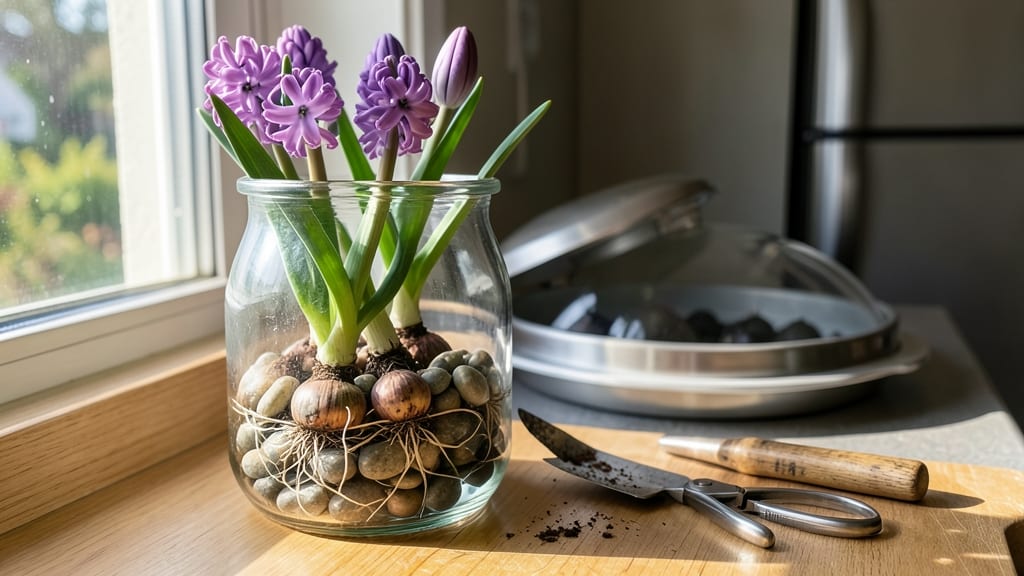
Forcing tulip bulbs inside turns your winter gray into a burst of spring color by February. ✨ I’ve forced dozens of bulbs over the years, and the secret isn’t complicated—it’s timing, the right container, and a little patience.
The first time I saw those purple shoots push through the soil in December, I knew I’d never wait for spring again.
You’ll need just three things: paperwhite or forcing tulip bulbs (not your garden varieties), a shallow container with drainage, and a dark, cool spot for chilling. Most people overlook the chilling step, which is where the magic happens—without it, you’ll get weak stems and tiny blooms.
I’ve even used old ceramic bowls and mason jars for this, so no fancy supplies required.
By the time you’re ready to bring them into light, you’ll see fat green shoots reaching for the sun. Within 2-4 weeks, those stems will stretch toward the window, and the first blooms will open—right when you need a little color fix.
The smell alone makes it worth the effort.
This method works for hyacinths and daffodils too, and you can repeat it every year with the same bulbs. Just don’t overwater, and keep them out of direct heat. Trust me, your winter just got a whole lot brighter.
📚 In This Guide
- What you need
- Instructions
- Tips and common mistakes
- Wrapping up and next steps
What you need
- ● Tulip bulbs: 3–5 medium-sized bulbs (6–8 inches in diameter) for best results. Choose early-blooming varieties like Darwin Hybrid or Parrot tulips.
- ● Container: A shallow, wide pot (6–8 inches deep) with drainage holes. Terracotta or ceramic works best.
- ● Potting mix: Well-draining, bulb-specific mix or a blend of 50% potting soil + 50% perlite/sand.
- ○ Peat moss or coir: 2–3 inches (for chilling, optional but recommended).
- ● Gravel or small stones: 1–2 inches (for drainage layer).
- ● Trowel or spoon: For planting and layering soil.
- ● Watering can or spray bottle: Gentle watering is key!
- ○ Plastic bag or cling wrap: (Optional) For humidity during rooting.
- ● Bright light source: South-facing window or grow lights (12–14 hours/day).
- ○ Thermometer: (Optional) To monitor 35–45°F (2–7°C) chilling phase.
- ● Fertilizer: Balanced 10-10-10 or bulb-specific fertilizer (diluted to half-strength).
Step-by-step instructions for forcing tulip bulbs indoors
Here's my foolproof method to coax vibrant tulips indoors—no greenhouse needed.
🪴 Step 1: Select and Prep the Right Bulbs
Choose firm, plump tulip bulbs (size 12 or larger) from a reputable supplier. Avoid bulbs that feel soft or have visible mold—they won’t survive forcing. I like to pick bulbs labeled for indoor forcing, like Darwin Hybrid or Parrot tulips, because they bloom reliably indoors.
Give your bulbs a 12-week cold treatment before forcing. Store them in a cool, dark place (like a garage or basement) at 35-45°F in a breathable container. This mimics winter conditions and triggers blooming. I use an old mesh bag or a cardboard box with holes punched in the sides to allow airflow.
🌱 Step 2: Plant the Bulbs in Containers
Fill a 6-inch deep container (like a ceramic pot or plastic nursery tray) with well-draining potting mix. Press the soil down lightly so it’s firm but not compacted. Place each bulb 6 inches apart, with the pointed end facing up—this is where the stem will emerge.
Cover the bulbs with 2-3 inches of soil, leaving the top third exposed. Water gently until the soil is moist but not soggy. Overwatering now can cause rot before blooming. I like to use a spray bottle for precision, so I don’t disturb the bulbs or displace the soil.
☀️ Step 3: Simulate Winter Conditions for 10-12 Weeks
Move the container to a cool, dark space (like a closet or basement) where temperatures stay between 40-50°F. This chilling period is critical—skipping it means no blooms. Check the soil weekly and water lightly if it feels dry to the touch, but avoid soaking it.
After 10-12 weeks, you’ll see green shoots poking through the soil. This is your cue to move the container to a bright, cool spot (like a north-facing window or under grow lights). If your home runs warmer, place a small fan nearby to keep airflow moving—this prevents mold and encourages strong stems.
💧 Step 4: Encourage Blooming with Light and Care
Once shoots appear, increase light exposure gradually. Place the container in a spot with 12-14 hours of indirect light daily. Direct sunlight can scorch the leaves, so avoid south-facing windows. If natural light is limited, supplement with a grow light kept 6-12 inches above the plants.
Water sparingly—just enough to keep the soil lightly moist. Overwatering now can cause the bulbs to rot before they bloom. I like to water from the bottom by placing the pot in a shallow tray of water for 10-15 minutes, then letting it drain. This method keeps the soil evenly moist without soggy roots.
⏰ Step 5: Enjoy and Extend the Blooms
Your tulips will bloom in 4-6 weeks after moving to light. Once buds open, move the container to a cooler spot (50-60°F) to prolong their life. Cut-stem tulips last 5-7 days in a vase, but potted tulips can linger for weeks if cared for properly.
After blooming, let the foliage die back naturally. This process returns energy to the bulb for future growth. Once the leaves turn yellow and crisp, you can compost the bulbs or replant them outdoors in fall. I’ve forced the same bulbs for 3-4 years by replanting them in the garden after their indoor display.
Tips & tricks for perfect indoor tulip blooms
Here's the secret to turning winter dormancy into springtime color—without a greenhouse.
Cold Treatment is Non-Negotiable: That 12-week chilling period at 35-45°F is your tulips' biological trigger for blooming. I learned this the hard way after skipping it—my bulbs just sat there, stubborn as a snowbank. Store them in a breathable container (like a mesh bag) to prevent moisture buildup, which causes rot. Pro tip: If you're in a warm climate, your basement might naturally hit that 45°F range perfectly. If not, a refrigerator's crisper drawer works in a pinch—just don't let them touch the veggies!
Soil Science Matters: The 6-inch deep container with well-draining potting mix isn't just arbitrary—it mimics the loose, aerated soil tulips prefer in their native habitats. I've had rot issues when using regular garden soil because it compacts too much. For the 2-3 inches of soil covering your bulbs, think "firm but fluffy"—press it down just enough so it won't shift when you water, but don't pack it like dirt. A spray bottle is your best friend here for precision watering without disturbing the bulbs.
Light Transition is Critical: When those green shoots appear after 10-12 weeks, don't rush them into bright light immediately. Gradually increase exposure over 3-4 days to prevent shock. I've seen tulips wilt dramatically when moved from darkness to full sun too quickly. For the 12-14 hours of indirect light, a north-facing window is ideal, but if you're supplementing with grow lights, keep them 6-12 inches above the plants and use a timer to maintain consistency. Tulips are light-sensitive—they need this gradual transition to trigger blooming hormones.
Fan Power for Stronger Stems: If your home tends to be warm (above 50°F), place a small fan nearby to create gentle airflow. This might seem counterintuitive, but it actually strengthens the stems by encouraging them to grow taller and sturdier. I position a battery-operated fan on low speed about 12 inches away from the container. The airflow also helps prevent mold, which can be a silent killer during this critical blooming phase. Think of it as giving your tulips a mini greenhouse environment without the humidity risks.
Pro Tips for Forcing Bulbs Inside
- Here's the secret to turning winter dormancy into springtime color—without a greenhouse.
- Cold Treatment is Non-Negotiable: That 12-week chilling period at 35-45°F is your tulips' biological trigger for blooming.
- Soil Science Matters: The 6-inch deep container with well-draining potting mix isn't just arbitrary—it mimics the loose, aerated soil tulips prefer in their native habitats.
Frequently asked questions
Got questions about forcing tulip bulbs indoors?
You’re not alone—this method can feel tricky at first! Here are answers to the most common queries to help you bloom with confidence.
What’s the best temperature to force tulip bulbs indoors?
Start with bulbs in a cool, dark spot (around 35–45°F (2–7°C)) for 12–16 weeks to mimic winter. Once sprouts appear, move them to a sunny indoor spot (60–65°F / 15–18°C) for blooming. Avoid heat vents or drafts—they’ll stress your bulbs!
How long does it take for tulips to bloom after forcing?
Patience is key! After the cold period, expect blooms in 4–6 weeks once you move bulbs to light. Early varieties (like Darwin Hybrid) may bloom faster, while late types (like Parrot tulips) take longer. Track your timeline to adjust lighting early if needed.
Can I reuse forced tulip bulbs for next year?
Unfortunately, most forced tulips won’t rebloom because their energy is spent on indoor flowers. However, you can plant them outside after blooming—they may produce foliage (but not flowers) for 1–2 seasons. Treat them as annuals for future forcing.
What if my tulip bulbs rot or mold while forcing?
Rot or mold usually means too much moisture or poor drainage. Check your setup: bulbs should sit in barely damp (not soggy) medium, and containers need drainage holes. If you spot slimy bulbs, trim the bad parts, replant in fresh potting mix, and adjust watering.
Are there tulip varieties that force better indoors?
Yes! Opt for early-blooming, cold-hardy varieties like:
- Darwin Hybrid (bold, sturdy blooms)
- Fosteriana (deep red/purple, reliable)
- Greigii (flame-shaped flowers)
Wrapping up and next steps
Forcing tulip bulbs indoors is a rewarding way to bring vibrant color into your home during the bleakest winter months! With the right setup—like proper bulbs, containers, and chilling time—you’ll unlock stunning blooms months ahead of schedule. 🌷✨
Now that you’re armed with the speed-bloom secrets, it’s time to roll up your sleeves and try it yourself. Start with a small batch, experiment with varieties, and soon you’ll be sharing your indoor tulip magic with friends and family. Happy forcing—and may your windowsills bloom brighter than ever!
Next step: Grab those bulbs and give it a go—your future winter garden awaits! 🌱💡