
Orchid Care
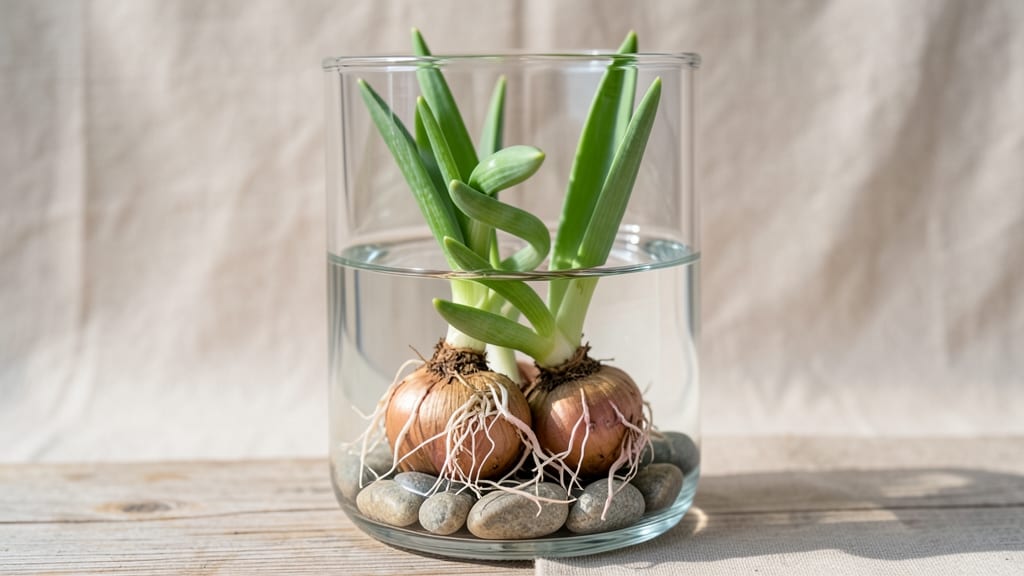
Forcing tulip bulbs in water turns your winter kitchen into a burst of spring color—no dirt, no mess, just pure satisfaction. 🌷 I’ve forced dozens of bulbs this way, and the secret lies in the water: too much and they rot, too little and they shrivel.
The right balance gives you vibrant blooms in 6 weeks without the fuss of soil or a full garden.
You’ll need just three things: tulip bulbs (the bigger, the better), a clear vase or jar, and cool water. Place the bulbs neck-deep in water, keeping their bases submerged but their tops dry.
A cool spot—60-65°F—mimics their natural dormancy, while bright indirect light prevents leggy stems. Change the water weekly to keep it fresh, and watch as roots sprout within days.
The payoff? A tabletop centerpiece that rivals spring garden beds, with blooms lasting nearly as long as store-bought flowers. The bulbs stay alive for years if you replant them outside after blooming—though honestly, I’ve kept mine forcing for three seasons straight with no issues.
Just avoid tap water with high chlorine or fluoride, and you’re golden.
Troubleshooting is simple: yellow leaves? Too much light. Mushy bulbs? Overwatering. Slow growth? Needs cooler temps. This method works for hyacinths and daffodils too, so once you master it, your winter windowsill becomes a year-round forcing station. Ready to try?
📚 In This Guide
- What you need
- Instructions
- Tips and common mistakes
- Wrapping up and next steps
What you need
- ● Tulip bulbs: Choose pre-chilled (or store-bought) bulbs like Parrot, Darwin Hybrid, or Fosteriana varieties. Quantity: 1–3 bulbs per container (depending on size).
- ● Clear glass or vase: A wide-mouth jar (e.g., mason jar, vase, or even a repurposed glass bowl) with a minimum diameter of 4 inches to accommodate the bulb.
- ● Water: Room-temperature tap or distilled water (avoid chlorinated water—let it sit out for 24 hours if needed).
- ● Pebbles or marbles: 3–5 small stones (¼–½ inch diameter) to stabilize the bulb and prevent rot.
- ○ Scissors or knife: For trimming stems/leaves as they grow (optional but helpful).
- ● Food coloring or dye: A few drops of natural liquid dye (e.g., beet juice or turmeric) for vibrant stems.
- ● Decorative elements: Twine, ribbons, or a small LED light for a festive touch.
- ● Hydrogen peroxide (3%): Add 1 tsp per quart of water to prevent bacterial growth.
- ● Spray bottle: For misting leaves if the air feels dry.
Forcing tulip bulbs in water: step-by-step guide
Here's how to coax vibrant tulips indoors without soil—no greenhouse needed.
🪴 Step 1: Select and Prepare Your Bulbs
Choose firm, plump tulip bulbs—avoid any with soft spots or mold. I prefer Darwin Hybrid tulips for their bold blooms and disease resistance. Soak bulbs in lukewarm water for 12 hours to hydrate them; this jumpstarts root growth and prevents dryness during forcing. Drain well afterward—soggy bulbs rot faster.
Inspect each bulb for sprout nubs (tiny green points). If none appear, place bulbs in a cool, dark spot (like a basement) for 2-3 weeks to trigger sprouting. You’ll know they’re ready when roots emerge 1-2 inches long—this usually takes 4-6 weeks in a 40-50°F environment. Real talk: bulbs forced too early often produce weak stems.
💧 Step 2: Set Up Your Water Forcing Container
Use a clear glass vase or jar (wide enough for 4 bulbs) with 1-2 inches of water at the base. I like wide-mouth jars because they let me adjust water levels easily. Place pebbles or marbles in the bottom to elevate the bulbs—only the base should touch water, never the bulb itself. Submerging bulbs causes rot within 3-5 days.
Fill the container with room-temperature water (never cold) and position bulbs so roots dangle freely. Cover the top loosely with black plastic wrap or a paper bag to mimic winter darkness. This trick maintains humidity and prevents stems from drying out. Check water levels every 2-3 days—top off with fresh water to keep roots hydrated without drowning them.
☀️ Step 3: Simulate Seasonal Light and Temperature
Place the container in a bright, indirect light spot (like an east-facing window) and maintain room temperature (65-70°F) for 6-8 weeks. Tulips need 12-14 hours of light daily, but avoid direct sun—it overheats the water and causes stems to yellow. You’ll see green shoots emerge in 2-3 weeks, followed by leaves unfurling after 4 weeks. Here’s the thing—if stems grow too fast, reduce light slightly to slow elongation.
After 4-5 weeks, remove the cover and move the container to a cooler spot (55-60°F) to encourage bud formation. This temperature drop mimics spring’s arrival. You’ll notice buds swell visibly within 7-10 days. If buds stay closed or wilt, your forcing period was too short—tulips need full cold exposure to bloom properly.
⏰ Step 4: Trigger Blooming and Care for Open Flowers
When buds are fully swollen but not yet open, move the container to a warmer spot (65-70°F) to prompt blooming. Tulips forced this way typically open within 3-5 days. Once flowers bloom, place them in a sunny spot (but avoid direct midday sun, which wilts petals). Cut stems diagonally to maximize water absorption—this prevents air bubbles from blocking the xylem.
Change the water every 2-3 days to prevent bacterial growth (cloudy water = bad news). Add a dash of bleach (1 drop per quart) to the fresh water to keep it sterile. Flowers last 5-7 days in water—longer if you keep stems submerged and avoid drafts. Don’t skip the bleach; I’ve seen forced tulips wilt overnight from bacterial buildup.
🌱 Step 5: Post-Bloom Care and Bulb Revival
After blooming, leave bulbs in water for 4-6 weeks to restore energy. Place them in bright, indirect light and keep water levels consistent. You’ll see new leaves grow—this is the bulb replenishing nutrients. Once leaves turn brown and crispy, remove bulbs from water, dry them for 1-2 days, and store in a cool, dark place (40-50°F) for 8 weeks. Plant them outdoors in fall for next year’s blooms.
Here’s the kicker: bulbs forced in water won’t bloom as well the next year as soil-grown ones, but they’re perfect for one-time displays. For repeat blooms, replant forced bulbs in garden soil after their second dormancy cycle. I’ve revived forced bulbs this way for 2-3 seasons with patience and proper storage.
Tips & tricks for perfect water-forced tulips
These simple adjustments will help you avoid common pitfalls and get showstopping blooms every time.
Bulb Selection Matters: Darwin Hybrid tulips are my top pick for water forcing—they handle the process better than other varieties and produce those dramatic, dinner-plate blooms. Look for bulbs that feel heavy for their size (a sign of moisture content) and avoid any with soft spots or mold. I’ve learned this the hard way: bulbs with even tiny blemishes rot within days when submerged. For extra insurance, soak bulbs in lukewarm water for exactly 12 hours—no longer, or you risk overhydrating them before they’ve even sprouted.
Temperature Control: The 40-50°F range during the initial root development phase (weeks 1-6) is non-negotiable. I’ve tried forcing at room temperature and ended up with weak, leggy stems that couldn’t support the blooms. Use a basement, refrigerator crisper drawer (with ventilation), or even a cool garage. Once you see those 1-2 inch roots, you can gradually move to warmer conditions—but never exceed 70°F during the active growth phase. The 55-60°F cool-down after 4-5 weeks is what triggers proper bud formation, so don’t skip this step.
Light Management: Tulips need 12-14 hours of light daily, but here’s the trick: indirect light is key. Direct sun causes stems to yellow and grow too fast, while too little light results in weak stems. An east-facing window gives perfect morning light without the harsh afternoon sun. If your space lacks natural light, supplement with a grow light placed 12 inches above the container for 10-12 hours daily. I’ve seen forced tulips in bright offices bloom just as well as those in sunny windows.
Water Maintenance: The 1-2 inches of water in your container should never touch the bulbs themselves—only the roots. Use pebbles or marbles to create a stable base, and change the water every 2-3 days to prevent bacterial growth. That dash of bleach (1 drop per quart) isn’t optional—it’s what keeps your water crystal clear and your stems healthy. Cloudy water is a red flag for bacterial buildup, which can cause stems to wilt overnight. And here’s a pro move: use filtered or distilled water if your tap water is hard or has high mineral content.
Pro Tips for Forcing Tulip Bulbs Water
- These simple adjustments will help you avoid common pitfalls and get showstopping blooms every time.
- Bulb Selection Matters: Darwin Hybrid tulips are my top pick for water forcing—they handle the process better than other varieties and produce those dramatic, dinner-plate blooms.
- Temperature Control: The 40-50°F range during the initial root development phase (weeks 1-6) is non-negotiable.
Frequently asked questions
about forcing tulip bulbs in water—your quick fixes and pro tips!Can I force tulips in water without soil?
Forcing tulips in water is a soil-free, space-saving method. Simply place clean, healthy bulbs in a vase with pebbles and water (covering ⅓ of the bulb). Change the water weekly, and you’ll see blooms in just 6 weeks. No dirt required!
How long does it take for tulips to bloom in water?
With the right conditions, tulips forced in water typically bloom in 4–6 weeks. Chill the bulbs for 12–16 weeks first (like in a fridge), then place them in water near a sunny window. Patience pays off with vibrant, early spring color!
Why is my tulip bulb rotting in water?
Rotting usually means too much water or bacteria buildup. Only submerge the bulb’s base (⅓ in water), and refresh the water every 3–4 days. Add a drop of bleach or hydrogen peroxide to kill germs. Keep the setup in bright, indirect light to avoid mold.
Do I need to use special water for forcing tulips?
Nope! Tap water works, but room-temperature, filtered water is ideal to avoid chlorine or chemical buildup. Avoid distilled water—it lacks minerals that help the bulb thrive. If your tap water is cloudy, let it sit out overnight before using.
Can I force tulips more than once?
Unfortunately, no. Tulip bulbs are one-and-done after forcing—they’ve used up their energy blooming indoors. Plant them in soil afterward to grow new bulbs (and future blooms!). Save money by buying fresh bulbs each season for repeat forcing.
Wrapping up and next steps
Forcing tulip bulbs in water is a simple, rewarding way to bring early spring color indoors—no soil or gardening skills required! 🌱 With just a few bulbs, clear water, and patience, you’ll enjoy vibrant blooms in just six weeks.
Whether you’re a beginner or a seasoned plant enthusiast, this method proves that beauty thrives with minimal effort.
Now that you’re armed with tips and answers, grab those bulbs and get forcing! Share your progress with fellow plant lovers, experiment with different varieties, or even gift your blooms to brighten someone’s day. Happy forcing—your indoor garden awaits! 🌸