
How To
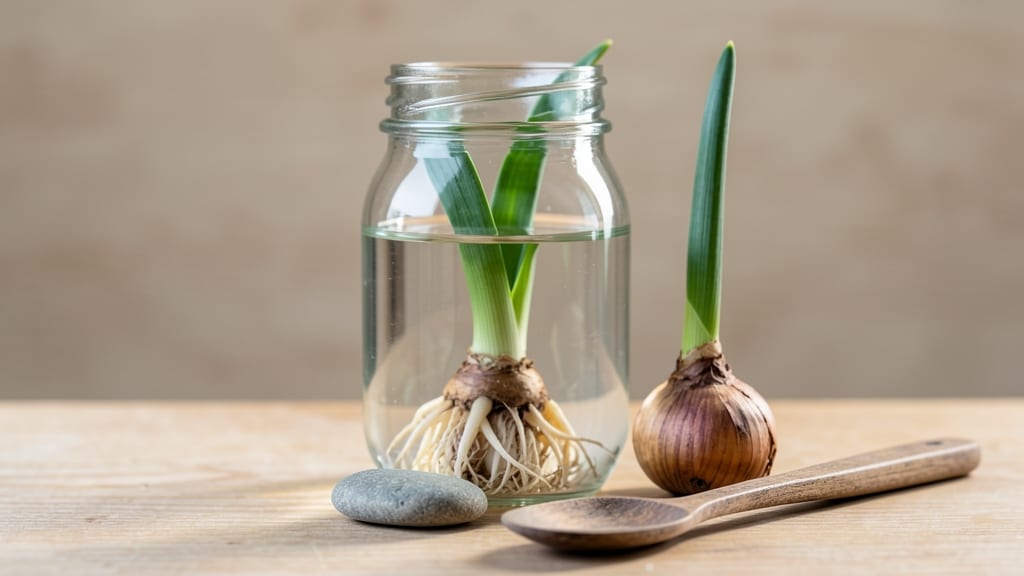
Growing hyacinth bulbs in water transforms your kitchen counter into a fragrant garden without a single shovel.
Imagine waking up to the intoxicating scent of 🌷 hyacinths blooming indoors—no garden required. This zero-soil method turns ordinary bulbs into showstoppers in just six weeks, using nothing but water and a sunny windowsill. No soil, no mess, just vibrant blooms that fill your space with spring’s sweetest aroma.
Why settle for traditional soil when water cultivation offers faster results and easier maintenance? This approach skips the digging and lets you monitor root growth daily, making it perfect for beginners or small spaces. Plus, you’ll learn how to revive bulbs after blooming for years of repeat performances.
Here’s how to select the right bulbs, set up your water garden, and troubleshoot common issues like weak stems or mold—so you can enjoy lush, fragrant blooms in half the time of soil planting.


How to grow hyacinth bulbs in water: step-by-step zero-soil method
Growing hyacinths in water is one of my favorite indoor gardening hacks—it’s simple, rewarding, and perfect for small spaces. Unlike traditional soil planting, this zero-soil method lets you watch roots grow while enjoying fragrant blooms in just 6-8 weeks.
The key is choosing the right hyacinth bulbs and creating ideal conditions for root development and flowering.
This method works best with dormant hyacinth bulbs purchased from garden centers in late summer or early fall. Look for firm, plump bulbs with no signs of mold or soft spots. Avoid bulbs that feel lightweight or shriveled, as they won’t thrive.
Once you’ve selected your bulbs, the next step is preparing your water container—and this is where many beginners make their first mistake.
Step-by-Step Guide to Growing Hyacinths in Water
- 1 Select and Soak Bulbs: Choose firm hyacinth bulbs and soak them in room-temperature water for 6-12 hours to kickstart root growth. This step ensures they’re hydrated before planting.
- 2 Prepare the Container: Use a clear glass vase (at least 6 inches tall) or a shallow bowl. The container should hold 1-2 bulbs per 6 inches of height. Avoid metal containers, as they can react with the water.
- 3 Position the Bulbs: Place bulbs with their pointed ends up and flat sides against the container. They should sit half-submerged in water, with the top half exposed to air. Use small pebbles to secure them if needed.
- 4 Maintain Water Levels: Keep the water 1-2 inches below the bulb’s top. Change the water every 3-5 days to prevent bacterial growth. Use room-temperature water to avoid shocking the roots.
- 5 Provide Bright Light: Place your container near a south-facing window or under a grow light for 6+ hours of sunlight daily. Hyacinths need bright light to develop strong stems and blooms.
- 6 Watch for Roots and Buds: Roots should appear in 1-2 weeks. Once the stem reaches 2-3 inches, buds will form. This is when you’ll start smelling that signature hyacinth fragrance!
- 7 Troubleshoot Common Issues: If you see mold or slimy water, change the water immediately and add a pebble layer to improve airflow. Weak stems? Ensure they’re getting enough light and stable temperature (60-70°F).
One of the biggest misconceptions about growing hyacinths in water is that they’ll bloom faster than in soil. In reality, the timeline remains similar—about 6-8 weeks from planting to blooming. However, water-grown hyacinths often produce slightly taller stems because they don’t compete with soil for nutrients.
The trade-off? They may not last as long after blooming unless you transfer them to soil later.
Light is the most critical factor after water quality. If your hyacinths aren’t getting enough light, their stems will stretch and weaken—a condition called etiolation. This results in leggy, floppy stems that can’t support the flower heads.
To prevent this, supplement natural light with a LED grow light if your windowsill isn’t bright enough. Even 4-6 hours of artificial light can make a huge difference.
Once your hyacinths bloom, you might wonder what to do next. Unlike soil-grown bulbs, water-grown hyacinths won’t survive long-term in water. After the flowers fade, you’ll need to transfer them to soil if you want to replant them for next year.
This is where many gardeners make the mistake of tossing the bulbs—don’t do it! With proper care, you can revive them for future seasons.
To maximize your success, keep a garden journal to track water changes, light exposure, and growth stages. Note any variations in bloom time or fragrance strength—this helps refine your technique for next time.
For example, I’ve found that bulbs grown in distilled or filtered water often produce fewer algae issues and healthier roots compared to tap water.
Remember, the goal isn’t just to grow hyacinths in water—it’s to create a fragrant, low-maintenance display that brightens your home. With these steps, you’ll enjoy vibrant blooms and intoxicating scents without ever touching soil. Happy growing! 🌷
Best containers and water care for hyacinth bulbs: what works and what doesn’t
When growing hyacinth bulbs in water, your container choice and water care routine make all the difference between vibrant blooms and limp stems. Glass containers like vases or bowls are my top pick—they let you monitor root growth and show off those delicate roots.
Ceramic pots work too, but their opaque sides hide the magic of root development.
For water depth, aim for 1-2 inches covering the bulb's base. Too little water stresses the roots, while too much risks rot. I’ve found that glass containers with narrow necks (like bud vases) are ideal—they keep water levels stable and prevent spills while giving roots room to grow.
Temperature control is often overlooked but critical. Hyacinths thrive in 60-68°F conditions. Keep your container away from drafts, radiators, or cold windows. A south-facing windowsill provides perfect light without temperature swings that can shock the bulb.
Now, let’s talk water refreshes—the key to preventing mold and bacterial growth. Change the water every 5-7 days or when it looks cloudy. Add a few ice cubes to keep it cool, which mimics natural spring conditions and encourages blooming.
Avoid tap water with high chlorine—let it sit out overnight or use filtered water.
| Container Type | Water Depth | Refresh Frequency | Temperature Tip |
|---|---|---|---|
| Glass vase/bowl | 1-2 inches | Every 5-7 days | Keep near window |
| Ceramic pot | 1-2 inches | Every 5-7 days | Avoid drafts |
| Narrow-neck vase | 1 inch | Every 7 days | Stable water level |
Pro tip: If your water turns cloudy between refreshes, add 1-2 drops of hydrogen peroxide (3%) to kill bacteria. Never use soap or fertilizers—they’ll harm the delicate roots. I’ve also had success with pebble trays under the container to catch drips and maintain humidity.
Watch for black spots or slimy water—these are red flags for rot or mold. Remove affected bulbs immediately and refresh the container with clean water. With the right setup, your hyacinths will reward you with fragrant blooms in just 6 weeks, proving that sometimes less is more!