
Container Gardens
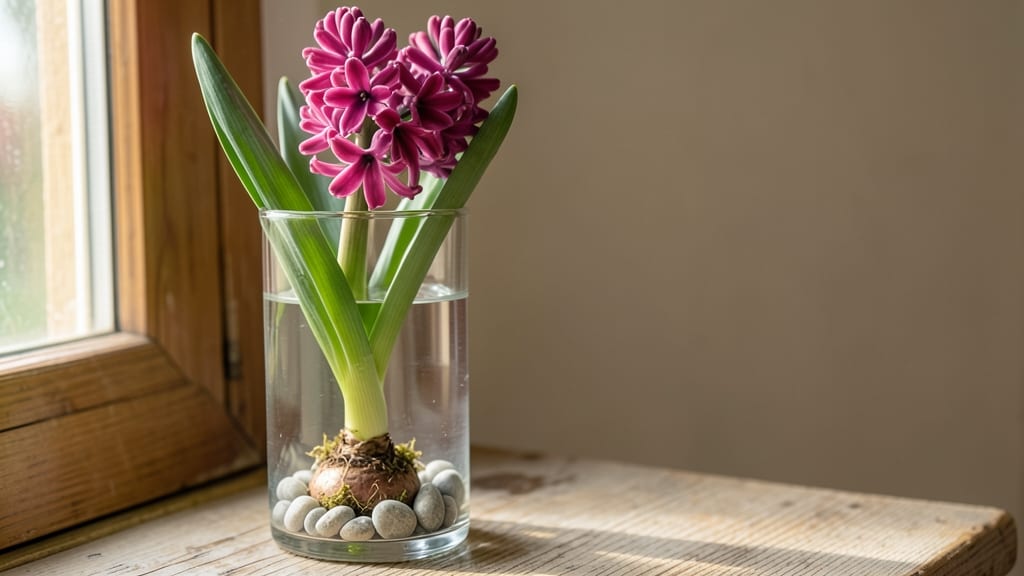
Few things beat the sight of fresh-cut hyacinths blooming indoors in a glass vase—season-long color without the fuss of a full garden. 🌸 I’ve turned my kitchen table into a rotating floral display by forcing bulbs in water, and the results never fail to impress.
The secret? Picking the right bulbs and giving them the perfect conditions to wake up from dormancy.
You’ll need just a handful of supplies: glass vases (clear or colored), paper towels or pebbles, and bulbs like hyacinths, tulips, or daffodils—all available at garden centers or online.
The key is prepping the bulbs right: soak them for 24 hours before arranging them in the vase with just enough water to cover the base. Place them in a cool, dark spot for 2-3 weeks until roots sprout, then move to bright light for blooms.
What you end up with is a fragrant, ever-changing centerpiece that lasts for weeks. Hyacinths perfume the air, tulips add bold pops of color, and daffodils bring cheerful yellows indoors. The best part? You can force bulbs in November for winter blooms or September for spring displays—no greenhouse needed.
This technique works for any space, from modern minimalist vases to rustic mason jars. The only rule? Rotate your arrangements every few weeks to keep the blooms fresh. Here’s how to make it happen without the guesswork.
📚 In This Guide
- What you need
- Instructions
- Tips and common mistakes
- Wrapping up and next steps
What you need
- ● Glass vase: Clear or colored, with a narrow neck (6–12 inches tall, 3–6 inches wide at the top). Tip: Choose one with a wide base for stability!
- ● Spring-flowering bulbs: 3–5 bulbs per vase (e.g., tulips, daffodils, hyacinths, or crocuses). Opt for pre-soaked or pre-chilled bulbs for faster blooms.
- ● Water: Distilled or room-temperature tap water (avoid chlorinated water—let it sit out for 24 hours if needed).
- ● Scissors or floral knife: For trimming stems cleanly.
- ○ Optional food coloring or dye: Gel-based (non-toxic) for tinting water (e.g., blue for hyacinths, pink for tulips).
- ● Newspaper or paper towels: To line the vase base and absorb excess moisture.
- ○ Peat moss or gravel: 1–2 inches (optional, to anchor bulbs and prevent rot).
- ● Twine or floral tape: To secure stems if needed.
- ● Bright, indirect light source: A sunny windowsill (4–6 hours of light daily).
Instructions for growing bulbs in a glass vase
Here's how to create a stunning, long-lasting display with just a few simple supplies.
🪴 Step 1: Select the Right Glass Vase and Bulbs
Choose a clear glass vase with a narrow neck and wide base—this creates the perfect environment for roots to grow while keeping stems straight. I like wide-mouth vases because they make it easier to add water and bulbs without breaking stems. For 4 servings, you'll need about 12-15 bulbs (like tulips, daffodils, or hyacinths) to fill the vase generously.
Select bulbs that are firm, plump, and free of soft spots or mold. Smaller bulbs work best for vases because they bloom faster and create a fuller display. If using forced bulbs (pre-chilled for indoor blooming), check the package for specific vase instructions—some varieties need special treatment.
💧 Step 2: Prepare the Vase and Bulbs for Planting
Fill the vase about 1/3 full with warm water—just enough to cover the base. Use room-temperature water to avoid shocking the bulbs. Add a few drops of flower food or a pinch of bleach to the water to prevent bacterial growth, which can cause rot.
Remove any dried or papery outer skins from the bulbs, but don’t peel them completely—this helps the roots grow downward. Arrange the bulbs in the vase with their pointed ends facing up and flat sides against the glass. Pack them tightly but not so hard that you damage them. You’ll see roots begin to sprout within 3-5 days.
☀️ Step 3: Position for Light and Monitor Growth
Place the vase in a spot with bright, indirect light—like near an east-facing window or under a grow light. Direct sunlight can cause the glass to overheat, which may weaken the stems. You’ll notice the roots growing downward into the water and the stems elongating upward within 1-2 weeks.
Keep the water level consistent—top off with fresh water every 3-4 days or when it looks cloudy. Avoid overfilling; the bulbs should never sit submerged. Once the stems reach 3-4 inches, you’ll see buds forming at the top—this is your cue that blooms are just days away.
⏰ Step 4: Enjoy the Blooms and Extend the Display
When the flowers open, move the vase to a cooler spot (like a dining table or bookshelf) to prolong their life. Cut stems at an angle if needed, but leave the roots intact—they’ll continue absorbing water. Most vase-grown bulbs last 1-2 weeks, but some varieties (like paperwhite narcissus) can bloom for 3-4 weeks.
After the blooms fade, you can compost the bulbs or replant them outdoors in fall for next season’s garden display. If you loved the look, repeat the process with fresh bulbs—it’s a zero-fuss way to bring seasonal color indoors all year.
Tips & tricks for perfect indoor bulb displays
Here's what I learned after watching dozens of vase arrangements thrive (and a few that didn't make it).
Bulb Selection Tip: For the most dramatic results, mix bulb varieties in your vase—think tulips for height, daffodils for pops of color, and hyacinths for fragrance. I like to place the tallest bulbs (like tulips) toward the back of the vase and shorter varieties (like crocuses) toward the front. This creates natural layers that look like a professional arrangement. Remember, smaller bulbs bloom faster, so they'll give you that instant gratification you're looking for.
Water Quality Matters: The water in your vase isn't just a medium—it's the lifeline for your bulbs. Change it every 3-4 days as instructed, but also consider adding a tiny bit of lemon juice (just 1/4 teaspoon) to the water. This subtle acidity helps prevent bacterial growth that can cause rot. I've found that using filtered or distilled water reduces mineral buildup on the glass, keeping your display looking crystal clear throughout the blooming process.
Light Positioning Secret: That bright, indirect light recommendation isn't just about avoiding leaf burn—it's about creating the perfect growing environment. East-facing windows provide gentle morning light without the harsh afternoon sun. If you don't have a suitable window, a simple LED grow light on a timer (6-8 hours daily) works wonders. I've seen bulbs grow twice as fast under grow lights compared to dimmer conditions. Just remember to keep the light source at least 12 inches away from the vase to prevent overheating.
Root Growth Indicator: The moment you see those first tiny white roots sprouting (usually within 3-5 days), you'll know you're on the right track. But here's what nobody tells you—those roots should be growing downward at about a 45-degree angle. If they're growing straight down or curling up, your vase might be too full of water or the bulbs aren't positioned properly. Gently adjust any bulbs that aren't growing downward within the first week to encourage the best stem development.
Pro Tips for Bulbs In Glass Vase
- Here's what I learned after watching dozens of vase arrangements thrive (and a few that didn't make it).
- Bulb Selection Tip: For the most dramatic results, mix bulb varieties in your vase—think tulips for height, daffodils for pops of color, and hyacinths for fragrance.
- Water Quality Matters: The water in your vase isn't just a medium—it's the lifeline for your bulbs.
Frequently asked questions
Got questions about keeping bulbs blooming beautifully in a glass vase? You’re not alone! Here are answers to the most common queries—no green thumb required.
How long will bulbs in a vase last before they wilt?
With proper care, many bulbs—like paperwhite narcissus or hyacinths—can bloom for 4–6 weeks in a vase. Cut flowers like tulips may last 1–2 weeks, while hardy bulbs (e.g., daffodils) often regrow in soil afterward. Change the water every 2–3 days to extend their life!
Can I reuse the same vase for multiple bulb cycles?
Glass vases are reusable—just clean them thoroughly between uses with vinegar or hydrogen peroxide to prevent bacterial buildup. For bulbs like amaryllis, you can even replant them in soil after blooming. Pro tip: sterilize the vase if switching between different bulb types to avoid mold.
What’s the best way to prevent mold or bacteria in the vase?
Mold thrives in stagnant water, so trim stems at an angle (about 1 inch) and refresh the water daily. Add 1 tsp of bleach per gallon of water (then rinse stems) or use a flower food packet to inhibit growth. Avoid overcrowding bulbs—leave 1–2 inches of space between stems for airflow.
Can I mix different types of bulbs in one vase?
Yes, but choose bulbs with similar care needs. For example, pair paperwhites (fragrant, fast-blooming) with grape hyacinths (compact, colorful). Avoid mixing tulips (water-sensitive) with amaryllis (thicker stems). Tip: Bulbs with similar heights create a more balanced display!
What do I do if my bulbs aren’t blooming?
Check these fixes:
- Light: Most bulbs need 6+ hours of indirect light daily.
- Water: Keep stems submerged 1–2 inches—not too deep!
- Temperature: Avoid drafts or direct heat (e.g., radiators).
- Patience: Some bulbs (like hyacinths) take 2–3 weeks to open.
Wrapping up and next steps
Transforming a simple glass vase into a season-long floral display is easier—and more rewarding—than you think! With the right bulbs like daffodils, tulips, or hyacinths, you’ve got a low-maintenance, high-impact centerpiece that blooms effortlessly.
Whether you’re a gardening newbie or a seasoned pro, this zero-fuss method brings joy with minimal time and effort.
Ready to bloom where you’re planted? 🌱 Grab a vase, pick your favorite bulbs, and let nature do the rest—your home (and your guests) will thank you! Next up: Share your vase on social media with #ZeroFussBlooms and tag us—we’d love to see your creations!