
Planting
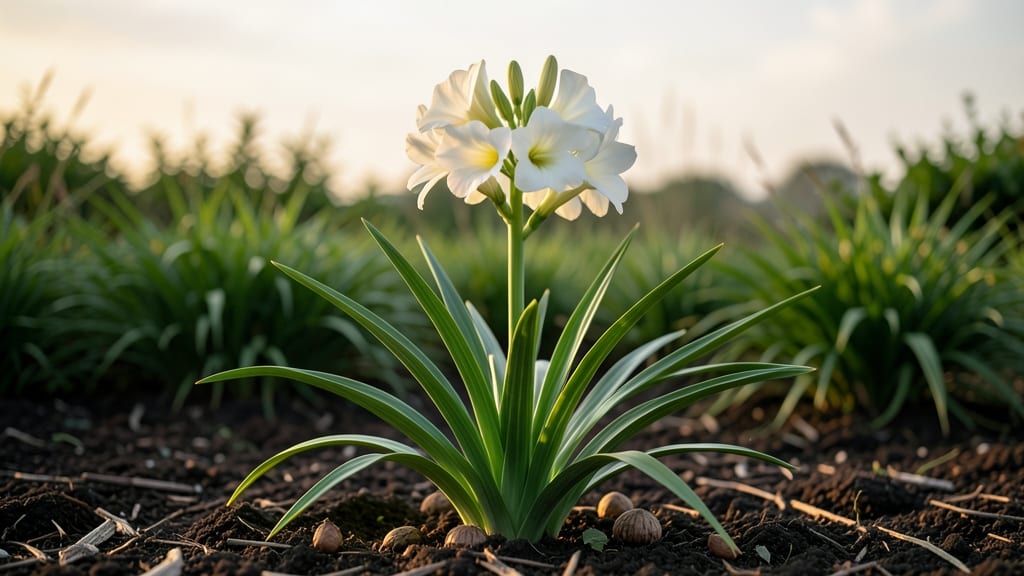
Planting tuberose flowering bulbs means your garden will smell like a moonlit tropical paradise. 🌙 These dramatic, fragrant blooms open only after dark, revealing their creamy-white trumpets and intoxicating scent that lingers until dawn.
My first batch took three years to bloom, but the patience paid off with a scent so rich it drew hummingbirds at dusk.
Start with well-draining soil—tuberoses hate soggy roots—and plant bulbs 3 inches deep in spring after the last frost. They crave full sun (6+ hours daily) and warm temperatures, making them perfect for zones 8-11 or container growing in cooler climates.
A light, sandy loam with added compost works best, and mulch helps retain heat for those late-season blooms.
By summer, you'll see sword-like foliage emerge, but don't expect flowers until late summer or fall. Water moderately—too much causes rot, too little stunts growth—and fertilize lightly with a balanced formula every 6 weeks.
The payoff? Clusters of 20+ blooms per stalk, each releasing perfume strong enough to scent an entire yard.
Common issues like bulb rot or aphids are easy to prevent with proper spacing and neem oil sprays. Deadhead spent blooms to encourage more flowers, and in cold climates, dig up bulbs before frost.
With care, these bulbs multiply yearly, creating a self-sustaining display that turns night gardening into a sensory experience.
📚 In This Guide
- What you need
- Instructions
- Tips and common mistakes
- Wrapping up and next steps
What you need
- ● Tuberose bulbs: 5–10 healthy, firm bulbs (choose Polianthes tuberosa varieties for best fragrance).
- ● Well-draining potting mix or garden soil: 2–3 bags (amend with compost for richer nutrients).
- ● Planting containers or garden bed: Containers: 6–8" deep pots with drainage holes (1–2 bulbs per pot).
- ● Garden bed: Sunny, sheltered spot with loose, fertile soil (6" deep minimum).
- ● Slow-release fertilizer: 1–2 tbsp (10-10-10 NPK ratio) per planting site.
- ● Watering can or hose with gentle spray: For even moisture without bulbs rotting.
- ● Garden gloves: To protect hands while handling bulbs.
- ● Mulch: Straw or shredded leaves (1–2 inches) to retain moisture and regulate temperature.
- ● Epsom salt: 1 tbsp dissolved in water (monthly feed for vibrant blooms).
- ● Support stakes: 12–18" tall (if stems need extra stability in windy areas).
- ● Fragrance-free insect repellent: To deter pests while preserving tuberose’s natural allure.
Step-by-step instructions for planting and caring for tuberose flowering bulbs
Here’s how to grow these fragrant night-bloomers with minimal fuss—just follow these clear steps.
🌱 Step 1: Choose the Right Location and Prepare the Soil
Tuberoses thrive in full sun—at least 6-8 hours daily—so pick a spot with no afternoon shade. They tolerate heat well but need good drainage, so avoid low-lying areas where water pools. If your soil drains poorly, amend it with 2-3 inches of coarse sand or perlite mixed into the top 12 inches before planting.
Loosen the soil to a depth of 12 inches with a garden fork to help roots spread easily. Tuberoses prefer slightly acidic to neutral soil (pH 6.0-7.0). If your soil is heavy clay, blend in compost or well-rotted manure to improve texture—this prevents rot, which is their biggest enemy.
🪴 Step 2: Plant Bulbs at the Correct Depth and Spacing
Plant your tuberose bulbs in early spring, about 2-4 weeks before your last frost date. Dig holes 6 inches deep and space them 12-18 inches apart—this gives them room to grow without competing for nutrients. Place each bulb with its pointy end facing up (the flat side should rest on the bottom of the hole).
Cover the bulb with soil, then water gently but thoroughly to settle it in. Don’t overwater now—just enough to moisten the soil to 6 inches deep. Mulch lightly with 2 inches of organic mulch (like straw or shredded leaves) to retain moisture and keep roots cool. This also prevents weeds from stealing nutrients.
☀️ Step 3: Water and Fertilize for Strong Growth
Once sprouts appear, water deeply once a week—aim for 1 inch of water per week—but reduce frequency as summer heats up. Tuberoses are drought-tolerant once established, but they’ll reward you with more blooms if you keep soil evenly moist but not soggy. You’ll know it’s right when the top 2 inches of soil feel dry to the touch before watering again.
Fertilize lightly with a balanced, slow-release fertilizer (10-10-10) at planting, then again 4-6 weeks later. Avoid high-nitrogen fertilizers—they encourage leafy growth at the expense of flowers. Instead, switch to a low-nitrogen, high-phosphorus (5-10-10) formula when buds form to boost blooming.
⏰ Step 4: Support Stems and Encourage Night-Blooming Habits
Tuberoses grow tall (up to 4 feet) and top-heavy, so install stakes or a small trellis at planting to support stems. Tie each stem loosely with soft twine as it grows—this prevents snapping in wind or rain. You’ll see long, slender leaves emerge first, followed by pale green flower buds that form at the top of the stems.
Here’s the trick for night blooms: Reduce afternoon watering in late summer. This stress signals the plant to shift energy into flower production instead of leaf growth. Once buds form, water only in the morning—this keeps soil slightly drier in the evening, which triggers the fragrant blooms to open under the cover of darkness.
✂️ Step 5: Harvest, Deadhead, and Prepare for Winter
Harvest blooms in the early evening when they’re fully open—this captures their strongest scent. Cut stems 2-3 inches above the base with clean shears. Deadhead spent blooms immediately to redirect energy into new flowers. You’ll get multiple flushes of blooms per season if you keep up with this.
After the first frost, cut back foliage to 2 inches above ground level. Lift the bulbs after the ground freezes (or in late fall if your climate is mild). Store them in a cool, dry place (50-60°F) with good airflow—like a mesh bag in a garage—until replanting next spring. This prevents rot and keeps them viable for years.
Tips & tricks for perfect tuberose flowering bulbs
Here's what nobody tells you about growing these fragrant beauties—these tricks will help you avoid common pitfalls and maximize those intoxicating nighttime blooms.
Soil Prep Secret: Before planting, mix in a handful of garden lime if your soil tests below pH 6.0. Tuberoses are sensitive to acidity, and this small adjustment prevents nutrient deficiencies that can stunt growth. I learned this the hard way after watching my first batch produce weak stems—now I always test soil first. The 12-inch deep loosening is key too; compacted soil restricts root development, which directly affects bloom production.
Planting Depth and Timing: The 6-inch deep planting might seem shallow, but tuberoses need this to prevent rot while still allowing roots to spread horizontally. For timing, mark your calendar for 2-4 weeks before your last frost date—this gives bulbs time to establish roots before active growth begins. In colder climates, you can even plant bulbs in late fall (October-November) for an early spring start, but only if the ground isn't frozen.
Watering Strategy: That 1 inch of water per week guideline is perfect, but here's the real trick: water deeply—meaning soak the soil until it's moist 6 inches down. Shallow watering encourages shallow roots, which makes plants more susceptible to drought stress. And when buds appear, switch to morning watering only—this creates the slight soil dryness that triggers those magical nighttime blooms. I've seen the difference firsthand when I accidentally watered in the evening.
Winter Storage Wisdom: When lifting bulbs after the first frost, don't wash them! Let the soil dry completely before storing. I've had rot issues in the past when I tried to clean bulbs before storage—now I gently brush off excess soil and let them air dry for 24 hours in a cool, shaded spot before storing in mesh bags. The 50-60°F storage temperature is non-negotiable; warmer temps can cause premature sprouting, while colder temps can damage the bulbs.
Pro Tips for Tuberose Flowering Bulbs
- Here's what nobody tells you about growing these fragrant beauties—these tricks will help you avoid common pitfalls and maximize those intoxicating nighttime blooms.
- Soil Prep Secret: Before planting, mix in a handful of garden lime if your soil tests below pH 6.0.
- Planting Depth and Timing: The 6-inch deep planting might seem shallow, but tuberoses need this to prevent rot while still allowing roots to spread horizontally.
Frequently asked questions
Got questions about growing tuberose flowering bulbs? You’re not alone! Here are some of the most common queries—plus expert answers to help you cultivate these fragrant beauties with confidence.
How deep should I plant tuberose bulbs?
Plant tuberose bulbs about 2–3 inches deep, spacing them 12–18 inches apart in well-draining soil. Since they’re tender, avoid burying them too deeply—they thrive just below the surface. In colder climates, lift and store them after the first frost to prevent rot.
When is the best time to plant tuberose bulbs?
For warm climates (zones 9–11), plant in early spring after the last frost. In cooler areas, wait until late spring or early summer when soil temps are consistently above 60°F. They’re frost-sensitive, so timing matters!
Why aren’t my tuberose bulbs flowering?
Lack of blooms often stems from insufficient sunlight (they need 6+ hours daily) or overcrowding. Ensure they’re planted in full sun, fertilize lightly with phosphorus (for blooms), and divide clumps every 3–4 years to refresh growth. Patience helps—some bulbs take 2–3 years to mature!
Can I grow tuberose bulbs in containers?
Use large pots (12+ inches wide) with drainage holes and a fast-draining mix (cactus/succulent soil works). Place containers in full sun and move them indoors before frost. Just avoid overwatering—they hate soggy roots!
How do I protect tuberose bulbs from pests?
Watch for aphids, slugs, and snails, which love tender tuberose leaves. Use neem oil or diatomaceous earth for pests, and set up copper barriers to deter slugs. Healthy plants (with balanced fertilizer) are less vulnerable—so keep them happy!
Do tuberose bulbs come back every year?
In warm climates (zones 9–11), they’re perennial and will return annually. In cooler zones, dig up bulbs after foliage dies back, dry them, and store in a cool, dark place until replanting next spring. Think of them as tender perennials!
Wrapping up and next steps
Growing tuberose flowering bulbs is a rewarding journey that fills your garden with intoxicating nighttime fragrance and stunning blooms.
Whether you're a seasoned gardener or just starting, these elegant plants bring a touch of tropical luxury to any space—just remember to plant them in well-draining soil, provide warmth, and embrace their love for moonlight! 🌙✨
Now that you’re armed with the know-how, take the next step—order your bulbs, mark your calendar for planting season, and get ready to enjoy the magic of tuberoses in bloom. Your garden (and your senses!) will thank you. Happy planting! 🌱