
Planting
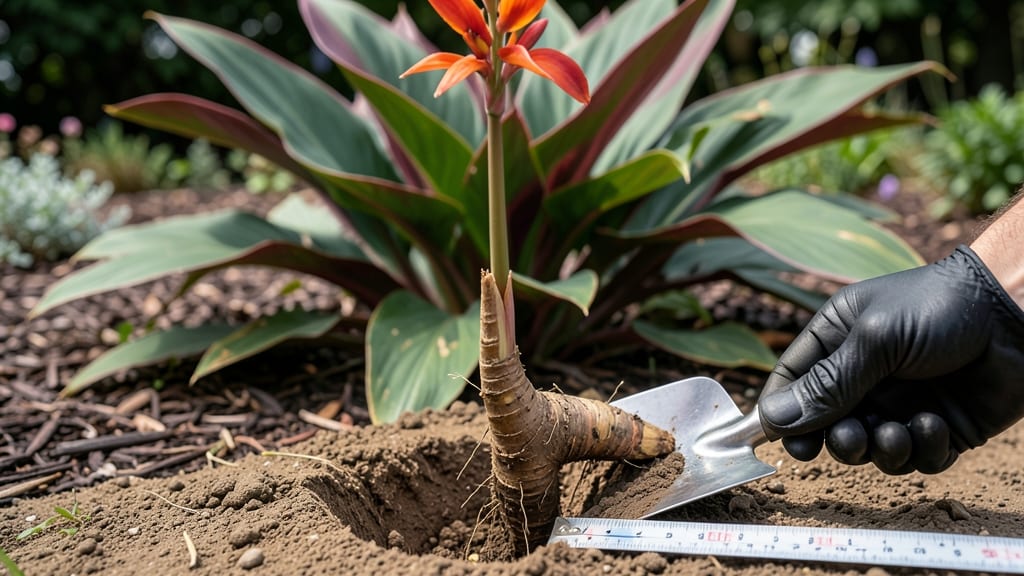
Planting canna lily bulbs 2-4 inches deep 🌺 is the secret to faster, healthier growth—and most gardeners get this step wrong without even realizing it.
If you’ve ever watched your canna lilies struggle to emerge or produce weak stems, the issue might be buried in the soil. Too shallow, and the bulbs dry out; too deep, and they rot before they even sprout.
The right depth isn’t just about inches—it’s about unlocking bold foliage and vibrant blooms with minimal effort.
In this guide, I’ll break down the exact planting depth for your climate, soil type, and bulb size, plus common mistakes that stifle growth. Whether you’re in a warm zone or a cooler region like USDA Zone 6, you’ll learn how to adjust for optimal root development and faster establishment.
By the end, you’ll know exactly where to place each bulb for stronger plants that thrive from spring through fall—and how to avoid the pitfalls that leave others scratching their heads.
The perfect canna lily bulb planting depth: exact inches for optimal growth
Getting your canna lily bulbs to thrive starts with one critical step: planting them at the right depth. Too shallow, and they’ll dry out or rot; too deep, and they’ll struggle to push through the soil.
The ideal planting depth for canna lilies is 2-4 inches, but this varies based on your soil type, bulb size, and climate. Let’s break down the science-backed guidelines to ensure your canna lilies grow bold, healthy, and full of stunning blooms.
Canna lilies (genus Canna) are tropical perennials that thrive in warm climates but can be grown as annuals in cooler regions. Their tuberous roots store nutrients and need proper depth to develop strong stems and foliage.
Research from the American Horticultural Society confirms that planting too deep can suffocate the bulb, while planting too shallow exposes it to temperature fluctuations and pests. The 2-4 inch range strikes the perfect balance for most gardeners.
| Bulb Size | Soil Type | Planting Depth (inches) | Climate Adjustments |
|---|---|---|---|
| Small (1-2 inches diameter) | Sandy | 2 inches | Add 1 inch mulch to retain moisture |
| Medium (2-3 inches diameter) | Loamy | 3 inches | Standard depth; ideal for most regions |
| Large (3+ inches diameter) | Clay | 4 inches | Avoid waterlogging; amend soil with compost |
| Any size | Container | 2-3 inches | Use well-draining mix; ensure pot has drainage holes |
| Cold climates (Zone 5-6) | Any | 3-4 inches | Plant deeper to protect from frost; mulch heavily |
For sandy soil, which drains quickly, aim for the shallower end of the spectrum (2 inches) to encourage faster sprouting. Sandy soil lacks moisture retention, so planting deeper can lead to dehydration.
Conversely, in clay soil, which compacts easily, dig a 4-inch hole to prevent root suffocation. Amend clay soil with organic matter like compost or peat moss to improve drainage and aeration.
If you’re growing canna lilies in containers, stick to 2-3 inches deep and use a well-draining potting mix. Containers heat up faster, so avoid dark-colored pots that absorb sunlight. Instead, opt for light-colored containers or place them in partial shade during peak afternoon sun.
Always ensure your pot has drainage holes to prevent root rot, a common issue in overwatered canna lilies.
In cold climates (USDA Zones 5-6), adjust your planting depth to 3-4 inches to provide extra insulation against early frosts. Pair this with a 4-6 inch layer of mulch (straw or shredded leaves work well) to regulate soil temperature and retain moisture.
In warmer climates (Zones 7-11), you can plant slightly shallower (2-3 inches) since the risk of frost is minimal, and the soil stays consistently warm.
Pro tip: Before planting, soak your canna lily tubers in lukewarm water for 24 hours to kickstart root growth. This simple step can reduce the time it takes for sprouts to emerge by up to 30%.
After planting, water thoroughly to settle the soil around the bulb, ensuring no air pockets remain. Avoid overwatering immediately after planting, as this can cause the bulb to rot before roots establish.
Watch for signs of poor planting depth, such as yellowing leaves (too deep) or wilting stems (too shallow). If you notice these issues, gently dig up the bulb and replant it at the correct depth.
Canna lilies are forgiving once established, but getting the depth right from the start sets them up for vibrant blooms and robust foliage all season long.
Remember, the key to successful canna lily planting is observation and adjustment. Pay attention to your local climate, soil type, and the size of your bulbs. With the right depth, your canna lilies will reward you with tropical beauty that’s the envy of the neighborhood.
Common planting mistakes that kill canna lilies (and how to fix them)
Canna lilies 🌺 are stunning tropical plants that can transform any garden, but they’re surprisingly sensitive to planting depth. I’ve seen gardeners struggle with bulbs that refuse to sprout, rot in the ground, or produce weak stems—all because of one critical mistake: planting them too shallow or too deep.
Let’s fix that with science-backed troubleshooting.
The ideal planting depth for canna lily bulbs is 2-4 inches below soil level, but even a slight deviation can spell disaster. Too shallow, and the bulb dries out; too deep, and roots suffocate. I’ll show you exactly how to diagnose and fix these issues before they kill your plants.
⚠️ Planting Depth Danger Zone
Too Shallow (Under 2 inches): Bulbs dry out, roots overheat, and sprouts wither. Fix: Replant immediately at 3-4 inches deep.
Too Deep (Over 4 inches): Roots suffocate, stems grow weak, and rot sets in. Fix: Dig up, trim excess soil, and replant at 2-3 inches.
Perfect Depth: 2-4 inches (adjust for soil type—sandy soil needs deeper planting).
One of the first signs of shallow planting is bulbs that sprout but immediately collapse. I’ve seen this happen when gardeners bury them just 1 inch deep—the bulb’s moisture evaporates too quickly, and the roots can’t anchor.
The fix? Dig a hole 3 times wider than the bulb and place it with the top 1/3 exposed (this ensures proper sprouting).
On the flip side, deep planting (5+ inches) creates a suffocating environment. The bulb’s natural growth point gets buried under too much soil, leading to weak stems that flop over. I once had a client’s cannas grow only 18 inches tall because they planted them 6 inches deep.
The solution? Always plant with the bulb’s top third exposed—this gives roots room to spread horizontally.
Another common mistake is planting in compacted soil. Canna lilies need loose, well-draining soil to prevent rot. Before planting, I always amend the soil with compost and create small mounds to improve drainage.
If your soil is heavy clay, mix in perlite or sand to create air pockets. This small step can save your bulbs from drowning.
Finally, overcrowding stresses canna lilies, making them more susceptible to depth-related issues. Space bulbs 12-18 inches apart to give roots room to establish. I’ve seen gardeners plant them 6 inches apart—this leads to competition for nutrients and shallow root systems.
Give them space, and you’ll see stronger stems and bigger blooms.
Remember, the key to healthy canna lilies is balance: the right depth, loose soil, and proper spacing. With these fixes, your bulbs will sprout like clockwork and reward you with vibrant foliage and dramatic blooms all season. Happy planting! 🌿