
Plants
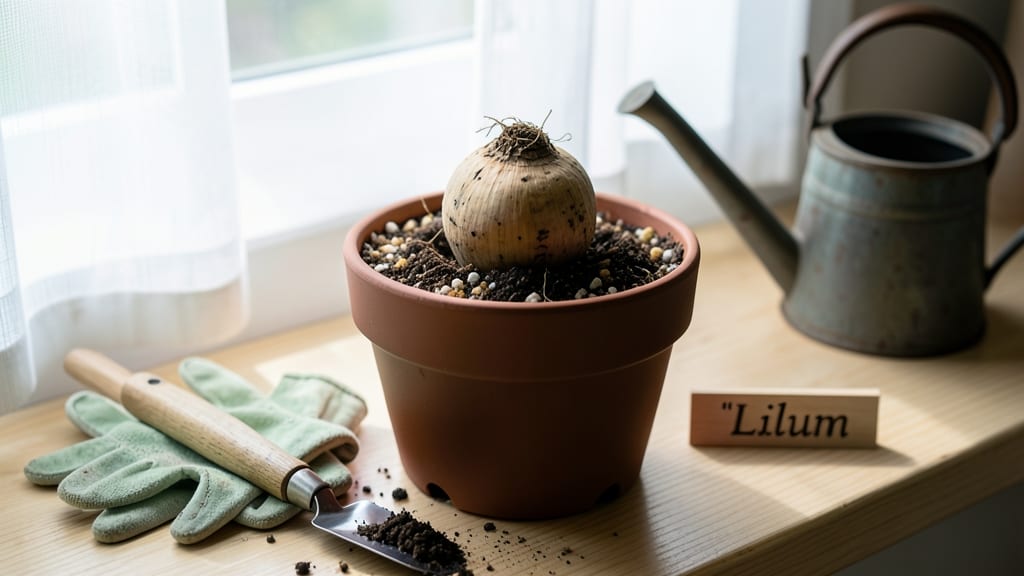
Planting lily bulbs in pots at the right time ensures vibrant blooms next season — and timing depends entirely on where you live.
Miss the window by even a few weeks, and your 🌸 lilies might bolt too early or rot in soggy soil. In USDA Zone 6a, like many temperate regions, fall planting between September and October is the golden rule—but warmer zones shift that schedule dramatically.
Whether you’re in a frost-prone area or a balmy climate, the key is matching bulb dormancy with your local frost dates. Too early, and roots wake up in cold soil; too late, and they struggle to establish before winter.
Below, I break down the exact month-by-month timing for your zone, container prep tips, and how to keep your potted lilies thriving until those showstopping blooms arrive.
Best planting times for lily bulbs in pots by USDA climate zones
Planting lily bulbs in pots at the wrong time can leave you with sad, stunted blooms—or worse, no flowers at all. Unlike in-ground planting, containers require precise timing because they heat up faster and drain differently.
For USDA zones 3-10, the ideal window depends on whether you're in a cold northern climate or a warm southern one. Let's break it down by zone so you can plant with confidence.
Most gardeners swear by fall planting for lilies, but spring and even late winter options work too—if you follow the rules. The key is avoiding frost damage while giving roots time to establish before summer heat.
In pots, bulbs need 6-8 weeks to root before active growth begins, so timing is everything. Let's explore the best months for each zone.
⚠️ CRITICAL RULE: Never plant lily bulbs when soil temperatures are below 50°F (10°C) or above 85°F (29°C). Containers can overheat quickly, cooking delicate roots. Always check soil temps before planting.
In USDA zones 3-4, where winters are harsh, I always plant my lily bulbs in pots by mid-October at the latest. The goal is to give roots time to establish before the ground freezes.
I use insulated containers and wrap them in burlap to protect against extreme cold. For zones 5-6, the window extends slightly later—up to early November—because frost arrives a bit later.
Southern zones (7-10) offer more flexibility. In zone 9-10, you can plant lilies almost year-round, but I recommend October to February to avoid summer heat stress.
The key is keeping soil temperatures between 65-80°F (18-27°C). If you plant in summer, use shade cloth to prevent the pots from overheating.
For those who miss the fall window, spring planting works too—but with caveats. Plant in February or early March when soil temperatures reach 55°F (13°C). Soak bulbs 24 hours before planting to jumpstart root growth. However, spring-planted lilies may bloom 6-8 weeks later than fall-planted ones.
One common mistake I see is planting lilies too early in spring when soil is still cold. The bulbs won’t root properly and may rot. Always check soil temperature with a thermometer—it’s the only way to be sure.
In pots, soil heats up faster than in-ground, so adjust your timing 1-2 weeks earlier than you would for garden beds.
Pro tip: If you live in zone 7
How to adjust planting timing for container gardens in cold vs. warm climates
Container gardens offer flexibility, but lily bulbs planted at the wrong time risk rot or poor blooming. In cold climates, like USDA zones 3-6, timing must account for frost dates and soil temperatures, while warm climates (zones 7-10) need protection from heat stress.
Containers also dry out faster, so adjustments matter even more than in-ground planting.
For northern gardens, aim to plant lily bulbs in pots 6-8 weeks before the first frost—typically late summer to early fall. This gives roots time to establish before winter dormancy.
In southern regions, where winters are mild, you can plant as late as December or even early spring, but avoid extreme summer heat, which stresses bulbs.
Container-specific factors like pot size and drainage holes also influence timing. Smaller pots dry out faster, so you may need to plant earlier to ensure moisture retention. Always use a well-draining potting mix with perlite or sand to prevent waterlogging, which is deadly for bulbs.
Soil temperature is another critical factor. Lily bulbs thrive when soil is between 50-60°F. In cold climates, wait until soil warms in late spring (after last frost) if planting then. In warm climates, plant in fall or winter to avoid summer heat, which can cause bulbs to sprout prematurely and weaken.
| Climate Type | Best Planting Window | Soil Temp Requirement | Frost Protection Needed | Container Adjustments |
|---|---|---|---|---|
| Cold Climates (Zones 3-6) | Late August - Early October | 50-60°F (after frost) | Yes (mulch, move indoors) | Use larger pots (12"+ diameter) |
| Warm Climates (Zones 7-10) | December - Early March | 55-65°F (avoid summer heat) | No (but shade in summer) | Add shade cloth for summer |
| Transition Zones (6-7) | September - November | 50-60°F (fall) or 60-70°F (spring) | Partial (check forecasts) | Use frost-proof pots with saucers |
If you live in a cold climate and miss the fall planting window, you can try planting in late winter (February-March) as soon as soil thaws. Use a heat mat to warm soil faster and protect pots from late frosts.
In warm climates, avoid planting in peak summer—opt for early fall or winter to prevent heat stress.
For extra frost protection in containers, wrap pots in bubble wrap or move them to a sheltered spot (like a garage or under eaves). In warm climates, provide afternoon shade during summer to keep soil cool.
Always monitor moisture levels—containers dry out 3x faster than ground soil, so water deeply but avoid soggy roots.
With these adjustments, your potted lilies will thrive regardless of climate. The key is matching planting time to soil temperature, frost risk, and container conditions. Test your soil’s warmth with a thermometer for foolproof timing!