
Plants
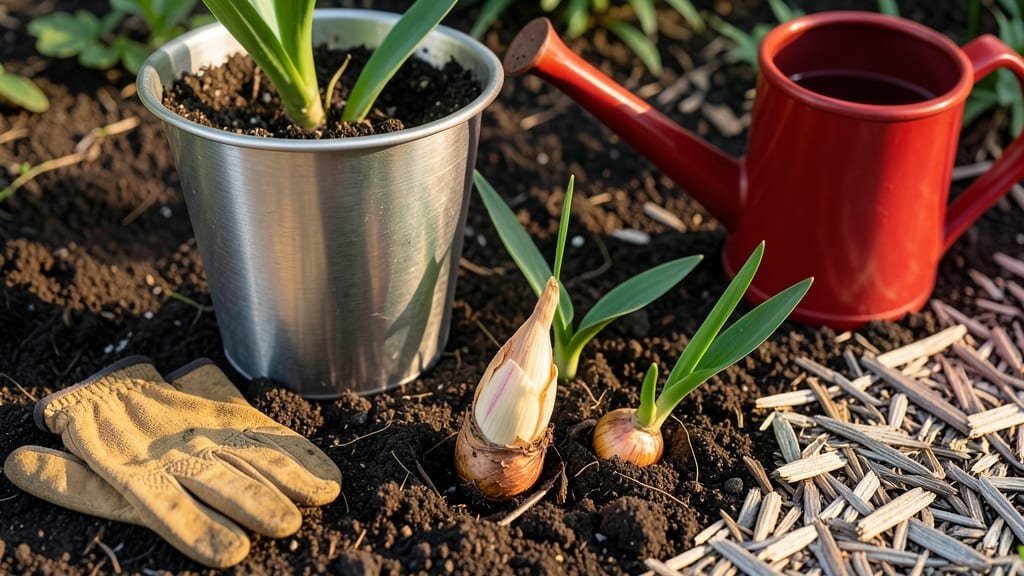
Planting lily bulbs in spring requires knowing the exact timing to avoid frost damage or missed blooms — and it all starts with your USDA zone.
Picture this: you’ve got your 🌷 bulbs ready, the soil is prepped, and then—bam—a late frost hits. Too early, and they rot; too late, and your garden might miss the show.
The good news? With a little zone-specific know-how, you can time it perfectly for vibrant blooms every year.
In USDA Zone 6a (like much of the Midwest), that means getting bulbs in the ground by early April—about 4-6 weeks before your last frost. But if you’re in a warmer zone, like 8 or 9, you’ve got a little more wiggle room.
Below, I’ll break down the exact window for your region, plus soil prep tips to set your lilies up for success.
You’ll also discover which lily varieties handle delays best, how to tell if your soil is truly ready, and the one post-planting trick that keeps blooms coming back year after year. Let’s get those bulbs in the ground the right way!
USDA Zone planting schedule for lily bulbs in spring
Timing your lily bulb planting by USDA zone ensures strong roots and stunning blooms. Lily bulbs thrive when planted in early spring, but the exact window varies by region.
In colder zones (3-7), aim for 4-6 weeks before last frost, while warmer zones (8-11) can plant as late as March or early April. Soil temperature should reach 50-60°F—critical for preventing rot.
Regional differences matter too! The Pacific Northwest often plants later due to cooler, wet springs, while the Deep South may face earlier soil warming. Always check your local frost dates and adjust.
For example, Zone 5 gardeners might plant in late March, while Zone 9 can wait until February. Let’s break it down by zone for precision.
Key factors to consider: soil temperature, frost risk, and your local climate quirks. Lily bulbs need well-draining soil—amend heavy clay with compost to avoid soggy roots. In Zone 10-11, where winters are mild, you can even plant in late winter (January-February) for earlier blooms. But in Zone 3-4, wait until May to avoid frost damage.
Soil temperature is your best guide. Use a soil thermometer to confirm 50-60°F—any colder, and bulbs may rot. In Zone 6-7, this usually aligns with late April, but Pacific Northwest gardeners should wait until May due to late spring rains. Always plant bulbs 6 inches deep and 4-6 inches apart for optimal growth.
In Zone 3-4, where winters are harsh, plant lily bulbs in late May to avoid frost damage. These regions often have shorter growing seasons, so choose hardy varieties like Asiatic lilies.
Amend your soil with organic matter to improve drainage—waterlogged soil is a common issue in these zones. If your spring is unusually wet, delay planting until the ground dries slightly.
For Zone 5-6, aim for late April when soil warms to 50-55°F. This is ideal for Oriental lilies, which need a longer growing season to bloom. In the Pacific Northwest, however, late spring rains can delay planting—wait until May if the ground stays soggy.
Always plant bulbs in well-draining soil to prevent rot, especially in clay-heavy areas.
Gardeners in Zone 7-8 have more flexibility. Plant lily bulbs from March to April, depending on your local climate. The Deep South (e.g., Zone 8) can plant as early as February for earlier blooms.
If you’re in a humid region, add a layer of mulch to retain moisture and suppress weeds. Avoid planting in waterlogged
Signs your soil is ready for lily bulbs (and what to do if it’s not)
Planting lily bulbs at the right time ensures strong roots and stunning blooms. The key is waiting for soil temperatures between 50–60°F—too cold, and bulbs rot; too warm, and they may dry out.
I’ve learned this the hard way after rushing bulbs into soggy spring soil that delayed growth for weeks.
Start by checking your soil’s moisture—it should feel damp but not waterlogged. Stick your finger 2–3 inches deep; if it’s dry, water thoroughly and wait 24 hours. Overly wet soil suffocates bulbs, while bone-dry soil prevents root establishment. This balance is critical for lily success.
⚠️ callout warning ⚠️
Even if your soil feels ready, late frosts (common in zones 3–8) can kill emerging shoots. Use a soil thermometer—lilies need consistent warmth to thrive. If frost is forecasted, wait 2–4 weeks or protect bulbs with mulch or row covers.
Pro tip: In wet springs, delay planting until the top 6 inches of soil dry out. Soggy conditions breed fungal diseases like bulb rot.
Another telltale sign? The ground should be workable but not sticky. Press your foot down—if it leaves a deep imprint, it’s too soft. Ideal soil should hold its shape when squeezed but crumble easily.
I test this by walking across my garden; if I sink in, I’ll wait another week.
For container planting, use a well-draining mix with perlite or sand. Lilies hate soggy roots, so ensure pots have drainage holes. I’ve had the best luck with terracotta pots, which wick away excess moisture faster than plastic.
Place containers in a sunny spot where they’ll get 6+ hours of sunlight daily.
If your soil is too cold or too wet, don’t panic. Amend it with compost or aged manure to improve drainage, and consider planting in raised beds.
I once had to delay my Oriental lilies for 3 weeks due to rain—by waiting, I got healthier stems and bigger blooms the following summer.
Once conditions are perfect, plant bulbs 4–6 inches deep and 4–6 inches apart. Water deeply after planting to settle the soil, and mulch with 2–3 inches of organic matter to retain moisture. With the right timing, your lilies will reward you with bold, fragrant blooms by midsummer. 🌷