
How To
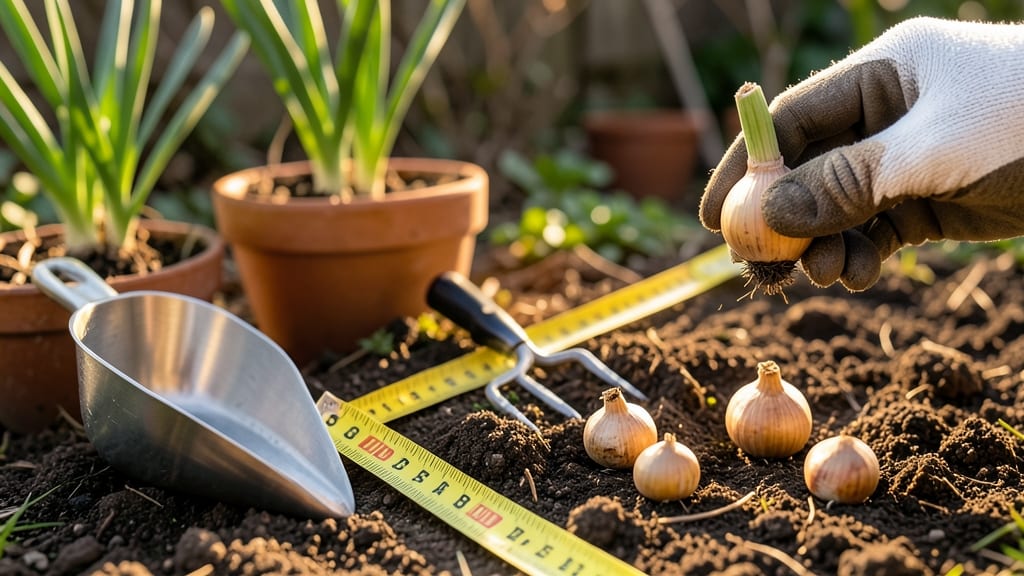
Planting daffodil bulbs at 6 inches deep is the golden rule for vibrant blooms every spring 🌼 — but there’s more to it than just a number.
If your daffodils are stubbornly refusing to bloom, the issue might be buried right where you planted them. Too shallow, and they’ll flop over or rot. Too deep, and they’ll struggle to push through the soil, leaving you with bare stems.
The secret? A depth that balances root development, moisture, and seasonal temperature shifts.
This guide breaks down the ideal planting depth—why it matters, how to adjust for your soil type, and how to avoid the most common mistakes that leave your daffodils looking half-hearted.
Whether you’re a first-time gardener or a seasoned pro, these pro tips will ensure your bulbs thrive year after year.
You’ll also discover how to tweak depth for clay, sandy, or rocky soils, plus regional adjustments for cold winters or warm climates. No more guessing—just perfect blooms, every time.
The ideal daffodil bulb planting depth explained (with visual guide)
Getting your daffodil bulbs to bloom year after year starts with one crucial detail: planting depth. Most gardeners overlook this, but it directly impacts root development, bloom timing, and even bulb longevity.
The golden rule? Plant daffodil bulbs at a depth equal to 2-3 times their height. For most varieties, this means 6-8 inches deep—but there’s more to it than just a number.
Why does depth matter so much? Daffodils store energy in their bulbs during dormancy, and proper depth ensures they have enough insulation from freezing while allowing roots to establish before winter. Plant too shallow, and you risk frost damage or weak stems that flop over.
Too deep, and the bulb may rot from excess moisture or struggle to push through the soil in spring.
Here’s the science-backed breakdown: Daffodil bulbs need enough soil to anchor their roots while keeping the top of the bulb just below the surface. This balance prevents squirrels from digging them up (a common issue!) and ensures the stem can break through without bending.
For large daffodil varieties, aim for the deeper end of the range, while dwarf varieties can handle shallower planting.
Let’s cut to the chase with a quick visual guide to help you plant at the perfect depth every time—no guesswork required.
Now that you’ve got the depth dialed in, let’s talk about bulb orientation. Always plant with the pointy end up—this is where the stem will emerge. The flat base should sit at the bottom of the hole.
If you’re unsure, think of it like an egg: the sharp end points toward the sky. This might seem obvious, but I’ve seen gardeners plant bulbs upside-down more times than I can count!
Another pro move? Add a handful of bone meal or compost to the bottom of each hole before placing the bulb. This gives your daffodils a nutrient boost right when their roots start growing in early spring.
Just avoid overdoing it—too much fertilizer can burn tender roots. A light sprinkle is all you need to set them up for success.
Don’t forget to space your bulbs properly too! While depth is critical, giving each bulb enough room prevents crowding, which can lead to smaller blooms or even no flowers at all.
For most daffodils, 3-6 inches apart is ideal. Larger varieties can stretch to 6-8 inches between bulbs, while dwarf types can huddle closer at 2-3 inches.
After planting, give the soil a gentle press-down around each bulb to remove air pockets. This helps the soil settle and provides immediate support. Then, water deeply but avoid soggy soil—daffodils hate sitting in water.
A slow soak in the early evening lets moisture seep down without evaporating too quickly. Mulch lightly with straw or shredded leaves (avoid thick layers!) to protect bulbs from temperature swings and erosion.
Here’s what happens when you get the depth wrong: Planting too shallow (less than 4 inches) often results in weak stems that flop over or frost damage in cold climates.
Too deep (over 10 inches) can cause rot or delayed blooming as the bulb struggles to push through the soil. The key is finding that sweet spot where roots have room to grow, but the bulb stays insulated.
For gardeners in warmer climates (Zones 8-10), you can adjust slightly shallower—4-6 inches—since the ground doesn’t freeze as deeply. In colder
Common mistakes that kill daffodil blooms (and how to fix them)
Even experienced gardeners can accidentally sabotage daffodil blooms with seemingly small mistakes. The most critical errors happen below ground—where planting depth, spacing, and soil conditions directly impact root health and flower production. I’ve seen gardens full of healthy green leaves but no blooms because of these overlooked issues.
Let’s start with the biggest culprit: planting too shallow. When daffodil bulbs sit too close to the surface, they struggle to establish strong root systems. This leads to weak stems that flop over or fail to produce flowers entirely.
The fix? Dig deeper than you think—most gardeners underestimate how much root space these bulbs truly need.
⚠️ callout-warning ⚠️
Never use dyed mulch or cypress mulch near daffodils. These contain arsenic and pesticides that can leach into the soil and kill bulbs over time. Stick to organic mulches like straw or shredded bark instead.
💡 Pro Tip: Test your soil pH before planting—daffodils thrive in neutral to slightly acidic soil (6.0-7.0).
Another common mistake is overcrowding bulbs. When you plant daffodils too closely together, they compete for nutrients and water, resulting in smaller blooms or no flowers at all.
The ideal spacing is 3-6 inches apart, depending on the variety. Larger daffodil types need more room to prevent overcrowding as they mature.
Soil compaction is the silent bloom-killer many gardeners miss. Heavy foot traffic or machinery can crush the roots of newly planted bulbs, preventing them from absorbing water and nutrients.
To fix this, loosen the soil to a depth of 12 inches before planting and add compost to improve drainage and aeration.
Here’s a quick checklist to ensure your daffodils thrive after planting: ☑️ Plant bulbs 6-8 inches deep (2-3x bulb height) ☑️ Space them 3-6 inches apart ☑️ Use well-draining soil with compost ☑️ Avoid compacted or waterlogged areas ☑️ Mulch with organic material only
With these fixes, your daffodils will reward you with bold, vibrant blooms year after year—no more mysterious failures! The key is paying attention to what’s happening underground, where the real magic of daffodil growth begins. 🌼