
How To
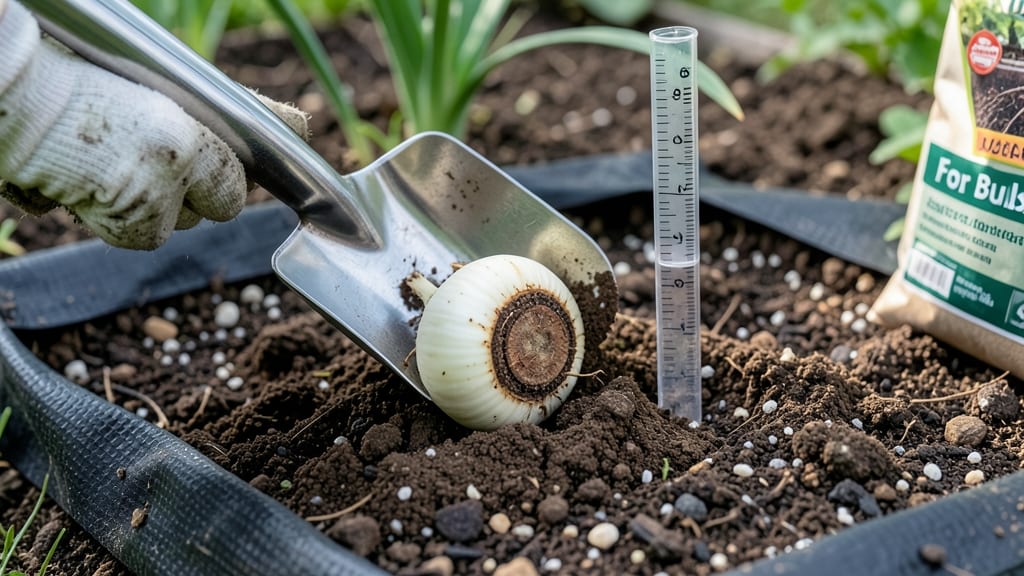
Planting lily bulbs how deep to plant lily bulbs at the correct depth—typically 2 to 3 times their height—sets the stage for vibrant blooms and healthy roots.
Too shallow, and you risk rot or weak stems. Too deep, and the bulb may never break through the soil. Most gardeners guess, but precision makes all the difference.
In this guide, I’ll walk you through the exact depth for different lily types, soil adjustments, and seasonal timing to ensure your 🌷 lilies thrive from planting to peak bloom.
You’ll also learn how to spot common mistakes—like planting in clay soil or ignoring frost dates—and how to fix them before it’s too late.
Lily bulb planting depth guide: exact measurements by bulb size
Planting lily bulbs at the wrong depth can mean the difference between stunning blooms and years of disappointment—yet most gardeners guess rather than measure. The science behind bulb depth is simple: lilies need enough soil coverage to anchor roots while preventing rot from excess moisture.
For most varieties, the ideal depth is 2-3 times the bulb's diameter, but this varies by type.
Why does depth matter so much? Lily bulbs store nutrients in their scales, and planting too shallow exposes them to temperature fluctuations and fungal diseases. Meanwhile, planting too deep starves the roots of oxygen, leading to weak stems.
The key is finding the sweet spot between protection and aeration—and it all starts with measuring your bulb.
Here’s the rule of thumb I follow: measure your bulb’s widest diameter (not height), then multiply by 2.5 to 3. For example, a 2-inch bulb should go 5-6 inches deep.
But not all lilies are created equal—Asiatic lilies tolerate slightly shallower planting than Oriental lilies, which need extra depth for their larger bulbs.
Let’s break it down by variety with this science-backed depth chart to ensure your lilies thrive from day one.
| Lily Type | Bulb Diameter (inches) | Planting Depth (inches) | Notes |
|---|---|---|---|
| Asiatic Lilies | 1.5-2.5 | 4-6 | Tolerates slightly shallower soil; ideal for containers |
| Oriental Lilies | 2.5-3.5 | 6-10 | Needs deeper planting; prefers rich, moist soil |
| Trumpet Lilies | 2-3 | 5-8 | Drought-tolerant; adjust depth in sandy soil |
| Martagon Lilies | 1-2 | 3-5 | Wood lily; prefers cooler climates |
| Hybrid Lilies | Varies | 5-9 | Check parent variety; often needs 2.5x depth |
Pro tip: Always plant with the pointed end facing upward—this is where the shoot emerges. If you’re unsure, the bulb’s flatter side should rest on the bottom of the hole.
For Asiatic lilies, which are smaller, you can plant them as shallow as 4 inches deep, especially in containers where drainage is critical.
For Oriental lilies, the deepest planters, aim for 6-10 inches deep. These bulbs are larger and need extra soil coverage to support their taller stems and heavier blooms.
If you’re in a region with heavy clay soil, consider amending the planting hole with compost or sand to improve drainage and prevent rot.
One mistake I’ve seen gardeners make is using a trowel to dig holes that are too narrow. Lily roots spread outward, so give each bulb at least 6 inches of space in all directions. In raised beds or containers, this means planting fewer bulbs closer together—but never crowding them.
After planting, water thoroughly to settle the soil around the bulb. The top inch of soil should stay slightly moist but never soggy.
Mulching with 2-3 inches of organic mulch (like shredded leaves or straw) helps retain moisture and regulate soil temperature, especially in hot climates where shallow planting can lead to bulb desiccation.
Remember, lilies are perennials, meaning they’ll return year after year. Getting the depth right now means fewer divisions and more blooms in future seasons.
If you’re unsure about your bulb size, err on the side of deeper planting—lilies forgive shallower depths more easily than they forgive being buried too deep.
For extra confidence, mark your planting spots with bamboo stakes or flags so you remember where each bulb went. This is especially helpful if you’re planting multiple varieties in one garden bed. Happy digging—your future lily blooms will thank you!
Common planting mistakes that kill lily bulbs (and how to fix them)
Lily bulbs are surprisingly delicate when it comes to planting depth. Many gardeners assume "deeper is better," but the truth is far more nuanced.
Planting too shallow can leave bulbs vulnerable to freezing temperatures and drought stress, while burying them too deep suffocates roots and causes rot before blooming. The magic lies in balancing soil type, climate conditions, and bulb size.
I’ve seen firsthand how a simple 1-inch miscalculation can turn a thriving lily patch into a sad, browned mess by spring. The key isn’t just measuring inches—it’s understanding how moisture retention, air circulation, and root development interact.
For example, clay soil holds moisture longer, so bulbs need planting 2 inches shallower than in sandy soil where water drains quickly.
Here’s the most critical mistake I see: gardeners planting bulbs point-down or burying them at the same depth as smaller bulbs like tulips. Lilies have asymmetrical growth points—the pointed end must face upward, and depth should always be 2-3 times the bulb’s height.
A 3-inch bulb needs 6-9 inches of soil coverage, not the generic "6 inches" rule.
⚠️ Warning: The #1 Depth Killer
Planting lily bulbs too shallow (under 4 inches) exposes them to freezing in winter and drying out in summer. This causes:
- 🔴 Rot from moisture sitting on top of bulbs
- 🌱 Stunted growth due to insufficient root development
- 💀 No blooms as energy goes to survival, not flowers
Fix: Use a ruler to measure depth—pointed end up, 2-3x bulb height in loose soil. Add 1 extra inch in clay soil.
Another silent killer is ignoring local climate adjustments. In Zone 5 or colder, I recommend adding 2 extra inches of mulch after planting to insulate bulbs. Without this, early frosts can blacken foliage before roots establish.
Conversely, in Zone 8+, shallow planting (just 1 inch deeper than standard) prevents heat stress during summer dormancy.
Watch for these warning signs of improper planting: bulbs sprouting but wilting within days (too deep), or shoots emerging yellow and weak (too shallow). Even worse, bulbs that never sprout often rot underground from overwatering in compacted soil.
To test depth, dig up a bulb after 4-6 weeks—healthy roots should spread 1-2 inches outward from the bulb.
Pro tip: Mark planting spots with biodegradable flags to avoid disturbing bulbs during winter. And always amend soil with compost—lilies hate soggy conditions. With the right depth, your bulbs will reward you with 6-foot stems and vibrant blooms for decades.