
Planting
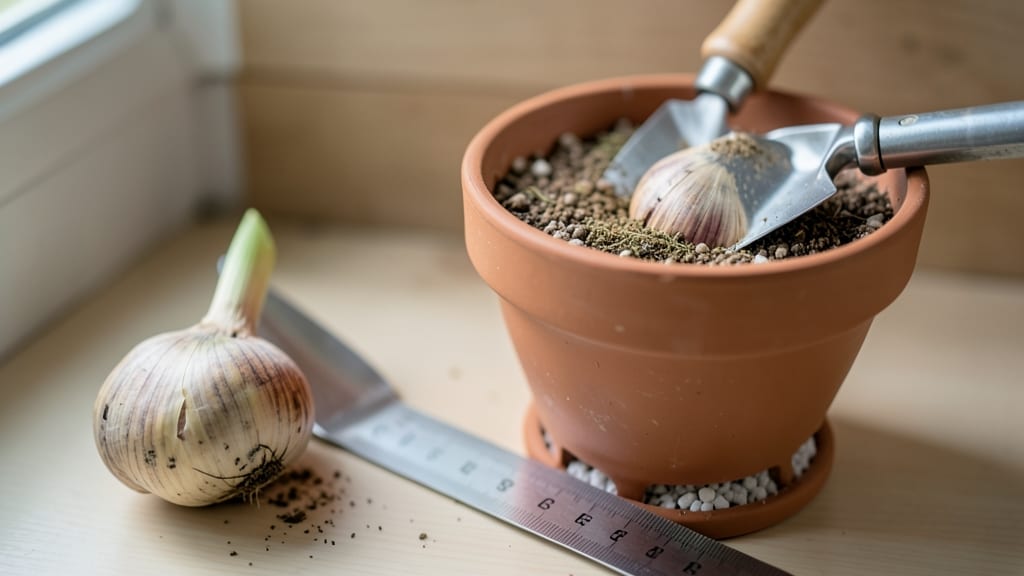
Planting tulip bulbs in pots requires how deep to plant tulip bulbs in pots with 6 to 8 inches of soil depth to ensure strong roots and vibrant blooms 🌷 — the exact measurement depends on bulb size and pot type.
If you’ve ever watched your potted tulips send up weak stems or refuse to bloom, chances are the depth was off. Too shallow, and the roots struggle; too deep, and the bulb rots. The right depth isn’t just a guess—it’s a formula that balances drainage, space, and sunlight exposure.
Most gardeners overthink soil mix or watering, but the most critical factor is how deep those bulbs sit. Get this right, and you’ll see perfect blooms year after year. Below, I’ll walk you through the exact steps, including pot size adjustments and troubleshooting common mistakes that stifle growth.
Ready to transform your containers into a tulip paradise? Let’s dive into the science-backed method that guarantees stronger stems and more flowers—without the guesswork.
The exact depth formula for planting tulip bulbs in pots (with visual guide)
Planting tulip bulbs in pots can be tricky—especially when figuring out the perfect depth. Too shallow, and your bulbs won’t root properly. Too deep, and they’ll struggle to push through the soil.
The key is a 3-step formula that balances bulb size, pot depth, and drainage. Let’s break it down so your tulips get the ideal start for stunning spring blooms.
Most gardeners guess the depth, leading to weak stems or no flowers at all. The secret lies in understanding that tulip bulbs need 6–8 inches of soil above them to encourage strong roots while keeping the top exposed for sunlight.
But pots complicate things—shallow containers force adjustments. Here’s how to calculate it precisely for your setup.
Step 1: Measure your bulb. Standard tulip bulbs are about 2–3 inches tall. Larger bulbs (like Darwin Hybrid varieties) may reach 3.5 inches. Use this as your baseline. For example, a 2.5-inch bulb needs 5–6 inches of soil above it to reach the ideal 6–8 inches total depth.
Step 2: Account for pot depth. If your pot is only 6 inches deep, you’ll need to plant bulbs closer to the surface—about 4 inches deep—while still leaving 2 inches of soil above the bulb. Deeper pots (8+ inches) let you plant bulbs at the standard 6–8 inches deep. Always leave 1–2 inches of space between the bulb and pot rim for watering.
Step 3: Prioritize drainage. Tulips hate soggy roots, so your pot must have drainage holes. Add a layer of gravel or perlite at the bottom (1–2 inches) to prevent waterlogging. This extra layer reduces the effective planting depth slightly, so adjust your calculations accordingly. For a 6-inch pot with drainage, aim for 3–4 inches of soil above the bulb.
| Bulb Size (inches) | Recommended Depth (inches) | Pot Depth Needed (inches) | Drainage Adjustment |
|---|---|---|---|
| 2.0–2.5 | 5–6 | 6–8 | Add 1–2" gravel |
| 2.5–3.0 | 6–7 | 7–9 | Standard drainage |
| 3.0–3.5 | 7–8 | 8+ | Optional gravel layer |
*All depths measured from bulb base to soil surface. Adjust for pot rim space.
Visualize your planting: Imagine the bulb sitting like a tiny mountain in the pot. The pointy end (stem) always faces up, while the flat base (roots) sits at the bottom of your calculated depth.
For example, in a 6-inch pot, place a 2.5-inch bulb so its base is 3–4 inches deep, leaving 2–3 inches of soil above it. This balance ensures roots anchor while stems reach sunlight.
Pro tip: Use your finger to create a small soil well around each bulb. This prevents soil from settling too tightly, giving roots room to spread. After planting, water gently until moisture reaches the bottom of the pot—this settles the soil and eliminates air pockets.
Overwatering here is better than underwatering, but avoid letting bulbs sit in standing water.
Why does depth matter so much? Tulips store energy in their bulb base. Planting too shallow exposes the bulb to temperature swings, causing it to rot or dry out. Too deep, and the stem struggles to push through, resulting in leggy, weak flowers.
The 6–8 inch rule is your golden ticket to robust stems and vibrant blooms, whether you’re using a terracotta pot or a fabric grow bag.
For multi-bulb arrangements, space bulbs 4–6 inches apart in larger pots. This mimics in-ground spacing and prevents overcrowding. If your pot is narrow, opt for smaller bulbs or layer them vertically (larger bulbs at the bottom, smaller on top).
Just ensure the top layer still meets the depth formula. This trick maximizes blooms in compact spaces!
Once planted, place your pots in a cool, dark spot (like a garage or shed) for 6–8 weeks to simulate winter. This chilling period is critical for tulips to bloom.
After the last frost, move them to full sun (6+ hours daily) and watch your perfectly planted bulbs transform into a burst of color. 🌷
Common mistakes that kill potted tulip blooms (and how to fix them)
Potted tulips can be finicky, and even the most experienced gardeners make mistakes that stunt blooms. The most common culprit? Planting bulbs at the wrong depth. Too shallow, and roots struggle to anchor. Too deep, and they rot before flowering. Let’s fix these issues before your tulips even sprout.
Another silent bloom-killer is poor drainage. Without escape routes for excess water, bulbs suffocate. Overcrowding also steals nutrients, leaving stems weak and flowers sparse. And don’t overlook old containers—root-bound bulbs can’t thrive, no matter how much you water them.
Here are the top 5 mistakes that sabotage potted tulips, plus simple fixes to revive your blooms. Start with these adjustments, and you’ll see stronger stems and fuller flowers next season.
The ideal depth for tulip bulbs in pots is 6–8 inches from the base to the rim. Planting too shallow (less than 5 inches) exposes roots to drying out, while burying them too deep (over 10 inches) suffocates growth.
Use this rule: the pointy end up, and measure from the bulb’s bottom to the soil surface.
Fix it: Dig a hole twice the bulb’s width, place the bulb with the pointy side up, and cover with soil. For small pots, layer bulbs vertically to save space.
Mistake #1: Poor drainage traps water around bulbs, causing rot. Always use pots with drainage holes and a mix of potting soil + perlite (50/50 ratio). If your container lacks holes, drill them or place a layer of gravel at the bottom.
Mistake #2: Overcrowding leads to competition for nutrients. Space bulbs 3–4 inches apart in small pots (6–8 inches wide) and 6 inches apart in larger containers. For dwarf varieties, reduce spacing to 2–3 inches.
Mistake #3: Using garden soil instead of potting mix compacts roots and blocks airflow. Switch to a lightweight, well-draining mix with added compost. Avoid heavy clay soils—they smother bulbs and invite fungal diseases.
Mistake #4: Ignoring root-bound bulbs in old containers. If roots circle the pot’s bottom, refresh the bulb by dividing and replanting every 2–3 years. Choose a pot 2–3 inches wider than the current one to give roots room to spread.
Mistake #5: Skipping winter dormancy in warm climates. Tulips need 6–8 weeks of cold (below 40°F) to bloom. If you live in a mild zone, store pots in a cool, dark garage during winter, then return them to light in early spring.