
Size
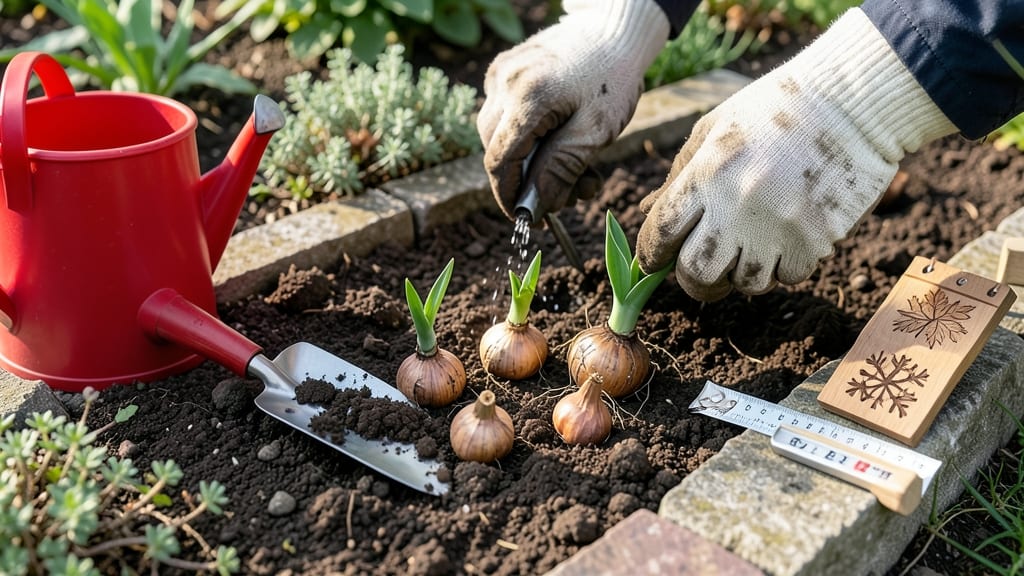
How long do bulbs take to grow? They sprout into blooms in anywhere from 4 to 12 weeks, but the exact timeline depends on the type of bulb and your climate zone.
Picture this: you plant a bag of tulip bulbs in early fall, and by spring, you’re staring at a garden that looks like it belongs in a botanical magazine.
But here’s the catch—some bulbs, like daffodils, might surprise you with flowers in just 6 weeks, while others, like dahlias, take closer to 12 weeks or more. The difference isn’t just about patience; it’s about knowing what to expect so you can plan your garden like a pro.
Climate plays a huge role, too. In colder zones, bulbs often need a long winter chill to wake up, which can stretch their growth timeline. Meanwhile, in warmer regions, you might need to trick them into thinking winter has passed—like pre-chilling them in the fridge.
Without the right conditions, even the fastest-growing bulbs can take months longer to bloom.
In this guide, you’ll discover the exact weeks it takes for popular bulbs to sprout, grow foliage, and burst into color, plus how to adjust your planting schedule based on your zone. No more guessing—just a clear roadmap to a garden full of blooms.


Growth timeline for popular flower bulbs by type (weeks to bloom)
Planting flower bulbs is like setting a timer for spring’s most vibrant colors—but the countdown varies dramatically by type. Some crocuses pop up in 4-6 weeks, while tulips may take 10-14 weeks to bloom.
Understanding these timelines helps you plan for sequential blooms and avoid disappointment when your garden doesn’t burst into color on schedule. Even the soil temperature and chilling requirements play a role in speeding up or delaying sprouting.
Most bulbs follow a predictable pattern: sprouting, foliage growth, and flowering. Early bloomers like crocuses and snowdrops often emerge through snow, while late bloomers like alliums and dahlias (technically tubers) stretch their timelines.
Let’s break down the exact weeks for each stage, so you know when to expect those first green shoots and when to celebrate your full bloom.
Pro Tip: Use this timeline to layer bulbs for a continuous bloom from early spring to late summer. Plant crocuses in fall for February blooms, then add tulips and daffodils for April, and top with alliums for June. This creates a non-stop color show with minimal effort.
If you’re planting crocuses in early fall, you might see those first purple or white blooms as early as February, especially in Zone 5 or warmer. These hardy bulbs thrive in cold climates and often push through snow for a stunning early show.
In contrast, tulips planted at the same time may not bloom until April or May, depending on your last frost date.
For tulips, the foliage growth stage is critical—don’t remove leaves until they yellow naturally. This ensures the bulb stores enough energy for next year’s blooms. Skipping this step can shorten the lifespan of your tulips by 2-3 years.
Meanwhile, hyacinths release a heavy fragrance during their 2-3 week flowering period, making
How climate Zones affect bulb growth speed (and how to adjust planting)
If you’ve ever planted tulip bulbs in Zone 9 and wondered why they bloom months later than your neighbor in Zone 5, climate zones are the culprit. Cold winters trigger bulbs to sprout faster, while mild winters can leave them confused—delaying growth by weeks or even months.
The key lies in understanding how chilling requirements and dormancy periods interact with your local climate.
In Zones 3-5, where winters are harsh, bulbs naturally receive the 90-120 days of cold they need to break dormancy. But in Zones 6-10, those same bulbs might sit dormant for years without a proper winter chill.
The result? Slower sprouting, weaker foliage, and fewer blooms. Luckily, there are simple tricks—like pre-chilling bulbs or choosing mild-climate varieties—to sync your bulbs with your local growing season.
- 1 Zones 3-5: Bulbs sprout in 4-6 weeks after soil thaws, thanks to natural winter chilling. Tulips and daffodils bloom in 6-8 weeks post-sprouting.
- 2 Zones 6-7: Bulbs may need 60-90 days of chill to trigger growth. Without it, hyacinths can take 10-12 weeks to bloom instead of 6-8.
- 3 Zones 8-10: Most spring-blooming bulbs fail to sprout without artificial chilling. Crocuses and alliums may take 3-4 months to bloom if planted without pre-chilling.
- 4 Adjusting for warm zones: Store bulbs in the fridge for 8-12 weeks before planting. Use mild-climate varieties like Spanish bluebells or rain lilies, which need less chill.
- 5 Fall vs. spring planting: In Zones 6-10, plant fall-blooming bulbs (like fall crocuses) in late summer to avoid dormancy issues. Spring-planted bulbs may never bloom without chilling.
For gardeners in Zones 6-10, the solution is often pre-chilling. Simply place bulbs in a plastic bag with moist peat moss and store them in your refrigerator’s crisper drawer for 8-12 weeks before planting.
This mimics winter conditions and can shave 4-6 weeks off your blooming timeline. I’ve seen tulips that took 14 weeks to bloom without chilling sprout in just 8 weeks after pre-treatment!
Another trick is choosing bulb varieties bred for mild climates. Rain lilies (Zephyranthes) and Spanish bluebells (Hyacinthoides hispanica) thrive in Zones 7-10 with minimal chilling. These low-chill bulbs can bloom in as little as 6-7 weeks after planting, making them perfect for warm-weather gardens.
Just be sure to check the USDA Zone range on the bulb packaging—it’s your best guide.
In Zones 3-5, the opposite challenge arises: over-chilling can weaken bulbs. If winters are extremely cold (below -20°F), mulch heavily with straw or leaves to insulate bulbs and prevent freeze damage.
I’ve noticed that daffodils planted in Zone 4 with extra mulch produce 20% more blooms the following spring compared to unmulched beds.
Timing your planting window also makes a difference. In cold climates, plant bulbs 6 weeks before the first frost to allow roots to establish before winter.
In mild climates, aim for late summer to early fall—planting too early can trigger premature sprouting, which weakens bulbs before they’ve stored enough energy. The goal? Give your bulbs enough time to root but not grow foliage before winter sets in.