
Companion Plants
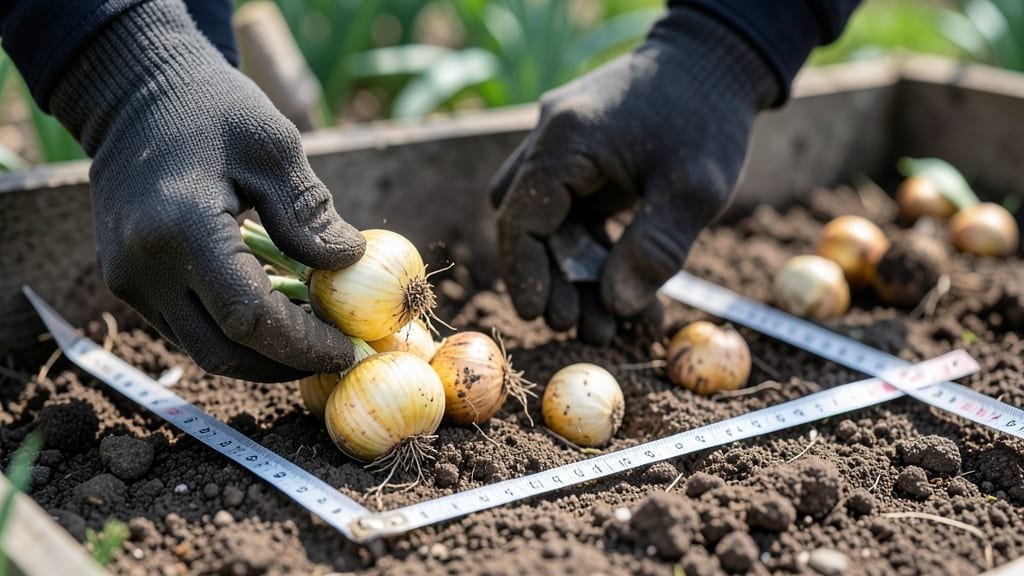
To plant daffodil bulbs together, group 3 to 5 bulbs creates a natural, lush display while maintaining proper spacing—typically 4 to 6 inches apart for most varieties. Larger bulbs or bold designs may need closer spacing, but avoid overcrowding to prevent nutrient competition.
Grouping daffodil bulbs mimics their natural growth patterns in meadows, where they thrive in loose clusters rather than isolation. 🌼 This approach not only creates a more abundant bloom display but also helps conserve moisture and nutrients in the soil.
For gardeners aiming for a wildflower effect, planting in odd-numbered clusters (like 3 or 5) creates visual balance, while larger bulbs (like Dutch Master varieties) can handle slightly closer spacing—down to 3 inches—without sacrificing future growth.
What's fascinating is how bulb size directly impacts spacing needs. Smaller bulbs (1.5 inches diameter) need the full 4-6 inches to develop properly, while larger ones (2 inches+) can handle tighter groupings.
The key is to avoid planting bulbs directly touching each other, as this can lead to stunted blooms or even bulb rot over time. Pro tip: Use a bulb planter to ensure consistent depth (typically 6-8 inches) while creating your clusters—this precision makes all the difference in springtime results.
💡 In This Article
- Daffodil Bulb Spacing Science: Why Clustering Works
- Perfecting Daffodil Planting Layouts for Garden Design
Daffodil bulb spacing science: why clustering works
Daffodils evolved in meadows where they naturally grow in loose clusters, not isolation. This clustering strategy allows bulbs to share nutrients through a process called rhizosphere interaction, where roots exchange beneficial microbes and water.
When you plant 3-5 bulbs together, their root systems intertwine just enough to create a supportive network without becoming competitive. Think of it like a small ecosystem—each bulb contributes to the others' health while preventing soil depletion in one spot.
The ideal spacing of 4-6 inches between bulbs balances two critical factors: nutrient access and air circulation. Bulbs need room to develop their own root systems, but too much space wastes garden real estate and dilutes the visual impact.
For larger varieties like Ice Follies or Tête-à-Tête, you can reduce spacing to 3 inches because their robust root systems can handle closer proximity. The key measurement is bulb diameter—smaller bulbs (1.5 inches) need more room than larger ones (2+ inches).
Soil depth plays a surprising role in this equation. Planting bulbs too shallow (less than 6 inches) forces roots to compete for space near the surface, while planting too deep (more than 8 inches) can delay blooming.
The sweet spot of 6-8 inches gives roots room to spread horizontally while keeping the bulb stable against winter heaving. This depth also prevents moisture buildup around the bulb's base, which can lead to rot—a common issue when bulbs are crowded.
Here's what happens when spacing goes wrong: Overcrowding causes bulbs to fight for water and nutrients, resulting in smaller blooms or no flowers at all. The roots may also twist around each other, creating a tangled mess that's difficult to separate later.
On the flip side, spacing bulbs too far apart creates a sparse look and wastes garden space. The 3-5 bulb cluster strikes that perfect balance between natural growth patterns and garden aesthetics.
Consider this botanical fact: Daffodil bulbs produce 1-3 flowers per stem, but when planted in clusters, they create the illusion of a fuller display. The human eye perceives clusters as more abundant than isolated blooms, even when the total number of flowers is similar.
This is why professional garden designers use odd-numbered groupings—they create visual harmony while maximizing bloom density. For example, a 5-bulb cluster might produce 10-15 flowers, while five individual bulbs would only show 5-10 blooms in the same space.
Pro tip: If you're planting in heavy clay soil, increase spacing to 6 inches to prevent waterlogging around the bulbs. In sandy soil, you can reduce spacing to 4 inches since water drains more quickly.
The soil's texture affects how quickly nutrients become available to the bulbs' roots, making spacing adjustments essential for different garden conditions. 🌱