
Propagation
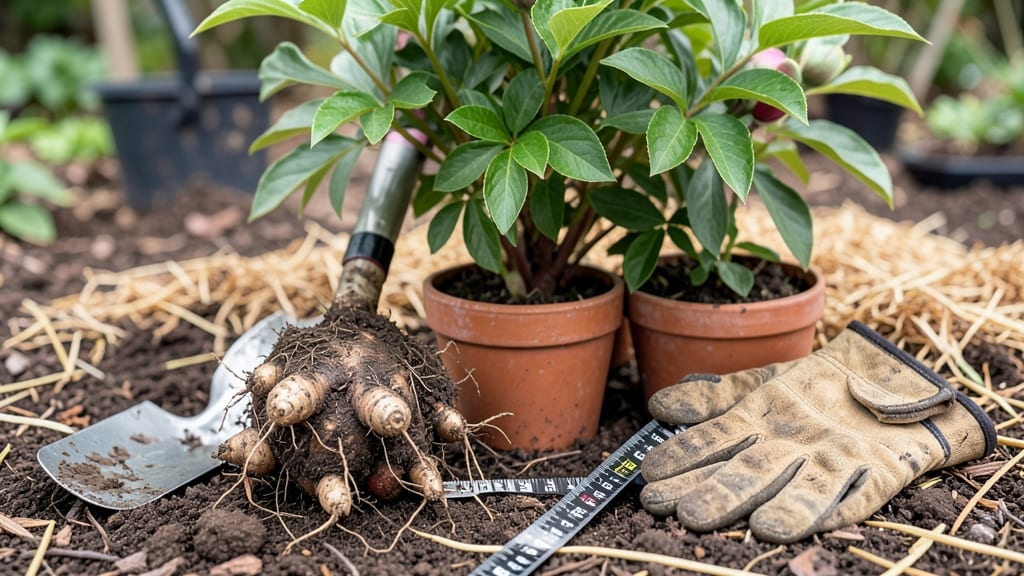
Growing peonies from bulbs means decades of lush blooms with almost no work after the first year. 🌸 I planted my first peony bulb five years ago, and now it's the star of my spring garden—thick, velvety petals that last for weeks.
The secret? Getting the planting depth and timing just right, then letting nature handle the rest.
You'll need a sunny spot with well-draining soil, some patience (they take 2-3 years to bloom fully), and a basic understanding of seasonal care. Most gardeners overlook the importance of planting depth—too shallow and they flop, too deep and they struggle to emerge.
I've learned the hard way that 3-4 inches below soil level is perfect for most varieties.
By summer's end, you'll see strong, healthy foliage pushing out of the ground, and by next spring, those first bold, fragrant blooms will make every effort worthwhile. The plants become drought-tolerant once established, and deer and rabbits typically leave them alone—nature's built-in protection.
Works in zones 3-8, from full sun to partial shade, and thrives in both garden beds and containers. Here's how to get started without the common pitfalls that frustrate new growers.
📚 In This Guide
- What you need
- Instructions
- Tips and common mistakes
- Wrapping up and next steps
What you need
- ● Peony bulbs (corms): Choose healthy, dormant peony corms (usually sold in fall). Aim for 2-3 bulbs per plant for fuller blooms.
- ● Well-draining soil: Mix 1 part garden soil with 1 part compost or 1 part sand for optimal aeration.
- ● Fertilizer: A balanced, low-phosphorus fertilizer (e.g., 10-10-10 or 5-10-10) to avoid excessive foliage over flowers.
- ● Mulch: Organic mulch (e.g., straw or wood chips) to retain moisture and regulate soil temperature.
- ● Garden trowel or shovel for digging planting holes.
- ● Gloves to protect your hands from soil and sharp bulb edges.
- ● Watering can or hose with a gentle spray nozzle for hydration.
- ● Measuring tape or ruler to ensure bulbs are planted at the correct depth (2 inches deep for most varieties).
- ● Peony support stakes (if growing tall varieties like Paeonia lactiflora).
- ● Slow-release fertilizer granules for convenience.
- ● Soil pH test kit (peonies prefer 6.5–7.0 pH).
- ● Plant tags to track varieties and planting dates.
Step-by-step guide to planting and caring for peony bulbs
Here's the straightforward approach I've used to grow peonies that bloom reliably for decades.
🌱 Step 1: Choose and Prepare the Planting Site
Peonies thrive in full sun with at least 6-8 hours of direct light daily. I always pick a spot where they won't be disturbed for years—peonies establish deep roots and resent transplanting. The soil should drain well but retain moisture; a slight slope helps prevent water pooling around the crown.
Before planting, loosen the soil to a depth of 12-18 inches with a garden fork. Amend heavy clay with 2-3 inches of compost mixed into the top 6 inches. Peonies hate soggy roots, so if your soil drains poorly, raise them in a mound or mound-shaped bed. Test your site in early spring when soil is workable but not muddy.
🌱 Step 2: Plant Bulbs at the Correct Depth and Spacing
Peony bulbs (actually called "eyes") should be planted with the top of the bulb 2 inches below soil level. This ensures the crown stays just below the surface as the plant grows. I dig holes 18-24 inches apart for herbaceous peonies and 3-4 feet apart for tree peonies to give them room to mature.
Place the bulb in the hole with the "eyes" (buds) facing upward. Fill the hole halfway, then water deeply to settle the soil. This prevents air pockets that could dry out the roots. Once settled, add more soil until the crown sits 2 inches below the final soil level. Firm the soil gently around the bulb to eliminate gaps.
☀️ Step 3: Water and Mulch for Establishment
Water the newly planted bulbs thoroughly right after planting to encourage root growth. Keep the soil consistently moist but never waterlogged for the first 2-3 weeks. You'll see new shoots emerge in early spring—this is your signal that roots are taking hold. Once established, peonies are drought-tolerant but bloom best with 1-1.5 inches of water weekly during growing season.
Apply a 3-inch layer of organic mulch around the plants, keeping it 6 inches away from the crown to prevent rot. I use shredded bark or straw because it breaks down slowly and improves soil structure over time. Mulch helps regulate soil temperature and reduces water evaporation, especially in hot climates.
✂️ Step 4: Prune and Maintain Through the Seasons
After blooming, cut back the foliage to 18-24 inches tall when it turns yellow in early fall. This prevents disease and allows the plant to store energy for next year's blooms. Never cut back foliage until it's fully yellow—green leaves feed the roots. In late fall, add a 2-inch layer of compost around the base for winter nutrition.
Divide peonies every 4-5 years in early fall by digging up the clump and separating the roots with a clean knife. Replant the divisions immediately at the same depth. I always mark the planting location with stakes to avoid disturbing the roots during future garden work. With proper care, a single peony plant can live—and bloom—for over 100 years.
Tips & tricks for perfect peony planting and care
Took me years to figure out these little details that make all the difference with peonies.
Sunlight Strategy: While peonies need that full sun, I've found they actually perform best with morning sun and afternoon shade in hot climates. The intense afternoon heat can scorch the blooms. If you notice buds wilting in summer, consider light afternoon shade—especially in zones 7 and above.
Planting Depth Secret: That 2-inch depth for the crown is non-negotiable, but here's what nobody tells you: if your soil is particularly sandy, you can plant slightly deeper (2.5 inches) to help retain moisture. In clay soils, keep it at exactly 2 inches—any deeper and the crown may rot. I test soil moisture after planting to make sure it's just right.
Watering Wisdom: The 1-1.5 inches weekly guideline works, but I've learned to water deeply every 5-7 days instead of light daily watering. This encourages deep root growth. You'll know you're doing it right when you see shoots emerge in early spring—this means roots have established properly during the first 2-3 weeks.
Mulching Makeover: That 3-inch mulch layer is perfect, but I add a trick: sprinkle a thin layer of coarse sand over the mulch in winter. This creates an insulating barrier that prevents temperature fluctuations that can stress the crown. It's especially helpful in areas with freeze-thaw cycles.
Pro Tips for Grow Peonies From Bulbs
- Took me years to figure out these little details that make all the difference with peonies.
- Sunlight Strategy: While peonies need that full sun, I've found they actually perform best with morning sun and afternoon shade in hot climates.
- Planting Depth Secret: That 2-inch depth for the crown is non-negotiable, but here's what nobody tells you: if your soil is particularly sandy, you can plant slightly deeper (2.5 inches) to help retain moisture.
Frequently asked questions
Growing peonies from bulbs is rewarding but comes with a few common questions—especially for beginners! Here’s what you need to know to avoid pitfalls and ensure success.
How long does it take for peony bulbs to bloom after planting?
Peony bulbs typically take 2–3 years to establish and produce their first blooms. Patience is key! The first year focuses on root growth, while the second year may yield a few flowers. After that, they’ll reward you with lush, long-lasting blooms for decades—worth the wait!
Can I plant peony bulbs in fall or spring?
Fall planting (4–6 weeks before the first frost) is ideal—it gives roots time to establish before winter. However, spring planting is possible in cooler climates (zones 3–7) as long as you water deeply and mulch well. Just avoid planting in extreme heat or drought conditions.
What do I do if my peony bulb doesn’t sprout?
Don’t panic! Peony bulbs are hardy but need consistent moisture and patience. Check for:
- Depth: Bulbs should be 2 inches deep—too shallow can cause rot or poor growth.
- Soil: Ensure well-draining, fertile soil (amend with compost if needed).
- Location: Full sun (6+ hours/day) is critical—shady spots delay or prevent blooms.
Can I grow peonies in containers or only in the ground?
Yes! Peonies thrive in containers if given:
- A 5-gallon pot minimum (they need room for roots).
- Well-draining soil mixed with compost.
- Full sun and winter protection (move indoors or mulch heavily in cold zones).
Are peonies prone to pests or diseases?
Peonies are generally low-maintenance, but watch for:
- Botrytis blight (gray mold on flowers): Remove infected blooms and improve airflow.
- Peony wilt (a fungal disease): Avoid overhead watering and plant in sunny spots.
- Japanese beetles: Handpick pests or use neem oil if they target your blooms.
Wrapping up and next steps
Growing peonies from bulbs is a rewarding journey that brings stunning, fragrant blooms to your garden with surprisingly little effort! 🌸 By following these simple steps—selecting healthy roots, preparing the soil, and providing the right care—you’ll enjoy vibrant flowers for years to come.
The key is patience and consistency, but the payoff is worth it.
Now that you’re equipped with the know-how, why not take the next step? Grab those peony roots, dig in, and watch your garden transform into a breathtaking floral paradise. Happy planting! 🌱