
Propagation
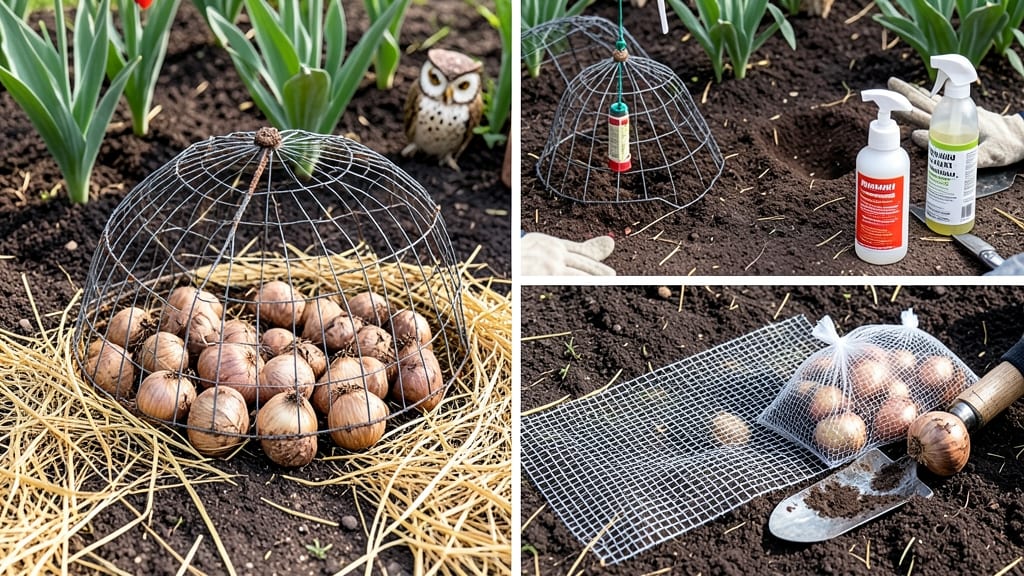
My tulip bulbs became a foolproof way to protect them from animals until I discovered these barriers that actually work. 🌱 Last spring, I lost half my prized Darwin Hybrid tulips to relentless digging—until I tried wire mesh cages and deep planting. The difference was night and day.
Most people assume repellents alone will do the trick, but animals quickly learn to ignore them. The real solution combines physical barriers, strategic planting, and a little habitat tweaking.
A simple 1/4-inch hardware cloth cage around bulbs stops even the most determined diggers, while planting deeper than 8 inches makes them harder to find.
By late fall, you'll have bulbs safely tucked away, ready to push through snow for those first vibrant spring blooms. The best part? These methods work for daffodils, crocuses, and alliums too—no more waking up to a garden full of holes and missing bulbs.
Whether you're dealing with squirrels, deer, or raccoons, the key is consistency. Start protecting bulbs before the first frost, and you'll enjoy a garden that stays intact until spring. Here's exactly how to set it up without the guesswork.
📚 In This Guide
- What you need
- Instructions
- Tips and common mistakes
- Wrapping up and next steps
What you need
- ● Chicken wire or hardware cloth: 1 roll (at least 12" deep, 1/2" mesh size to deter small animals like squirrels and rabbits)
- ● Sturdy garden stakes or rebar: 4–6 per barrier (6–12" long, depending on bulb depth)
- ○ Burlap or landscape fabric: 1–2 yards (optional but helpful for added camouflage)
- ● Garden twine or zip ties: A small spool (for securing wire in place)
- ● Gloves and pruners: (For handling materials and trimming excess wire)
- ● Wire mesh cages: Pre-made bulb cages (great for high-risk areas)
- ● Mulch (straw, pine needles, or wood chips): 2–3 inches thick (to deter digging)
- ● Repellent sprays (e.g., predator urine or commercial repellents): (For extra protection)
- ● Heavy rocks or bricks: (To weigh down wire edges and prevent lifting)
How to protect tulip bulbs from animals: Step-by-Step barrier installation
Here's the foolproof method I've used for years—no more gnawed bulbs, just reliable protection.
🪴 Step 1: Choose and Install Physical Barriers Before Planting
Start with hardware cloth (not chicken wire—animals chew through it) or plastic mesh with ¼-inch holes buried 6 inches deep around the planting area. I cut a circle slightly larger than my shovel's diameter and fold the edges inward to create a cylinder. This prevents squirrels and rabbits from digging underneath.
For raised beds, line the bottom with 1-inch mesh hardware cloth before adding soil. This stops burrowing animals from reaching bulbs from below. If you're planting in containers, use large pots with drainage holes and place them on elevated stands—animals rarely dig under heavy containers.
🌱 Step 2: Plant Bulbs at the Right Depth and Time
Plant tulip bulbs 6 inches deep (deeper than usual) to make them harder for animals to dig up. I mark the planting spot with stakes so I remember where the barrier is buried. Plant in late fall, when animals are less active—this gives bulbs time to establish roots before winter.
Add a thin layer of gravel (about 1 inch) directly above the bulbs before covering with soil. The rough texture deters digging, and the weight makes it harder for animals to dislodge them. Water thoroughly after planting to settle the soil and discourage pests from sniffing out the bulbs.
✂️ Step 3: Add Seasonal Deterrents for Extra Protection
In early spring, when animals start digging, scatter hot pepper flakes or granulated garlic around the planting area. The strong scent repels most critters. I also place decoy plants like daffodils (which animals avoid) around the perimeter—this creates a natural buffer zone.
For persistent diggers, install flexible wire baskets (like those for strawberries) over the soil after bulbs sprout. Secure them with stakes so they don’t blow away. This lets rainwater through but keeps animals out. Check weekly for signs of chewing or digging—if you spot fresh disturbances, reinforce the barrier immediately.
🌿 Step 4: Monitor and Maintain Barriers Through the Season
After the first frost, check the hardware cloth for gaps where animals might have chewed through. Repair any damage with zip ties or wire to close openings. I also rake the soil surface occasionally to disrupt any new digging attempts—animals prefer loose soil for easy access.
In late summer, after foliage dies back, remove any remaining barriers and inspect bulbs for damage. If you notice chewed stems or missing bulbs, adjust your protection strategy for next year. Healthy tulips will show firm, plump bulbs when dug up—if they feel shriveled, they’ve been disturbed.
⏰ Step 5: Plan for Next Year’s Protection
Take notes on what worked (and what didn’t) to refine your approach. If squirrels were the main issue, try motion-activated sprinklers near the bed—the sudden spray startles them away. For rabbits, plant tall grasses or shrubs around the edges to create a natural barrier they’re less likely to cross.
Rotate barrier methods yearly to prevent animals from learning how to bypass them. I alternate between deep burial and elevated containers to keep them guessing. The key is consistency—animals give up when they can’t easily access the food they want.
Tips & tricks for protecting tulip bulbs from digging animals
These practical strategies will help you create an impenetrable fortress for your tulip bulbs—no more disappearing blooms!
Barrier Depth Matters: When burying your hardware cloth or plastic mesh in Step 1, don't skimp on the 6-inch depth. I've learned this the hard way—shallow barriers leave too many gaps for determined diggers. For extra security, overlap edges by 2-3 inches when creating your cylinder shape. This creates a seamless barrier that's nearly impossible for squirrels to breach.
Gravel Layer Game-Changer: That 1-inch gravel layer above your bulbs in Step 2 does more than just deter digging—it creates a physical barrier that's surprisingly effective. I've found that using sharp-edged gravel (like crushed stone) works even better than smooth river rocks because animals dislike the abrasive texture. Plus, the weight helps anchor the bulbs in place during heavy rains.
Seasonal Deterrent Rotation: Don't rely on just one repellent in Step 3. I rotate between hot pepper flakes, granulated garlic, and even commercial animal repellents containing predator urine (yes, it works!). Animals get used to single scents, so changing them every 2-3 weeks keeps them guessing. The key is consistency—if you stop using deterrents, they'll return.
Container Strategy for Small Gardens: For urban gardeners or small spaces, consider using large, heavy containers with drainage holes as mentioned in Step 1. I've had great success with 20-gallon pots placed on brick stands—animals rarely bother them because they're too heavy to tip over. Just make sure to use a high-quality potting mix that drains well to prevent bulb rot.
Pro Tips for Protect Tulip Bulbs From Animals
- These practical strategies will help you create an impenetrable fortress for your tulip bulbs—no more disappearing blooms!
- Barrier Depth Matters: When burying your hardware cloth or plastic mesh in Step 1, don't skimp on the 6-inch depth.
- Gravel Layer Game-Changer: That 1-inch gravel layer above your bulbs in Step 2 does more than just deter digging—it creates a physical barrier that's surprisingly effective.
Frequently asked questions
Got questions about keeping critters away from your tulip bulbs?
You’re not alone! Here are some of the most common concerns—and straightforward answers to help you safeguard your blooms.
What’s the best time of year to protect tulip bulbs from animals?
Plant and protect your bulbs in late fall (after the first frost but before the ground freezes). Animals like squirrels and deer dig for bulbs in winter, so install barriers like wire mesh or fencing before they start foraging. For spring-planted bulbs, cover them immediately after planting.
Will chicken wire work to keep animals out?
Chicken wire is a start, but it’s not foolproof—animals can chew through it! Use hardware cloth (1/4-inch mesh) instead, as it’s sturdier and won’t bend. Bury the edges 6 inches deep to stop diggers like raccoons. For extra security, pair it with repellents or mulch.
Can I use natural repellents instead of physical barriers?
Try hot pepper spray, garlic-based repellents, or even predator urine (like fox or coyote). Reapply every few weeks, especially after rain. For a DIY option, plant daffodils or alliums nearby—animals dislike their scent! Combine repellents with barriers for the best results.
How do I know if animals have already dug up my bulbs?
Look for disturbed soil, scattered mulch, or missing bulbs in spring. Check for chewed leaves or stems too—squirrels and rabbits often nibble before digging. If you find damage, replant bulbs deeper (8–10 inches) and reinforce barriers immediately.
What’s the easiest way to protect tulips in small garden spaces?
For tight spots, use individual bulb cages (like wire mesh cones) or plant bulbs in containers buried in the ground. Another trick: cover bulbs with a thick layer of pine cones or gravel—animals avoid the prickly texture. Just remember to remove the cover in early spring to prevent rot.
Wrapping up and next steps
Protecting your tulip bulbs from hungry critters doesn’t have to be a guessing game—with the right strategies, you can keep them safe and thriving! 🌱 From physical barriers like wire cages and chicken wire to natural deterrents like repellent plants and mulch, there’s a solution tailored to your garden’s challenges.
Start small, test what works best in your space, and soon you’ll have a blooming success story every spring.
Ready to put your plan into action? Grab your supplies, mark your calendar for planting season, and give your tulips the shield they deserve! 🚀